

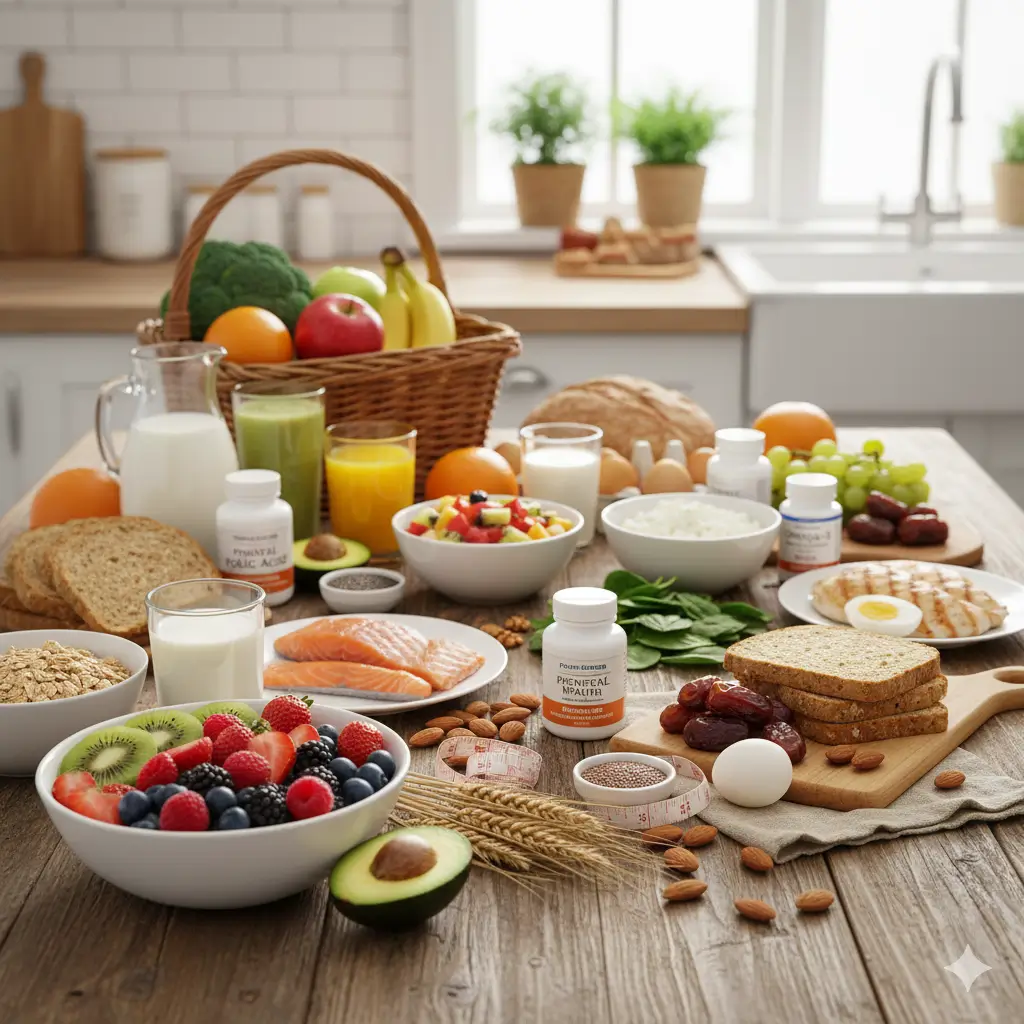
Introduction:
Pregnancy is an exciting and transformative time in a woman’s life, and one of the most important aspects of a healthy pregnancy is nutrition. What you eat during these nine months not only affects your well-being but also the development of your baby. However, with so much information available, it can be overwhelming to know what’s essential when it comes to pregnancy nutrition. In this post, we will break down the pregnancy nutrition essentials for women, offering practical tips on what to eat, what to avoid, and how to make sure both you and your baby get the nutrients you need.
The Importance of Proper Nutrition During Pregnancy
Pregnancy is a time of rapid growth and development for both mother and baby, which is why nutrition plays a crucial role in ensuring the health of both. The right balance of nutrients supports your baby’s growth, strengthens your immune system, and helps your body cope with the physical changes of pregnancy. Understanding pregnancy nutrition essentials for women lays the foundation for the long-term health of your baby.
Key Nutrients for a Healthy Pregnancy
Certain nutrients become even more important during pregnancy because they support the baby’s healthy development and the mother’s changing body. Let’s explore some of the most essential nutrients to focus on:
1. Folate (Folic Acid): The Essential Building Block
Folate is a B vitamin that is vital for fetal growth, particularly in the early stages of pregnancy. It helps to prevent neural tube defects, which affect the brain and spine of the developing baby.
Why You Need It:
- Supports the development of the baby’s brain and spinal cord.
- Reduces the risk of birth defects, such as spina bifida.
- Helps the body produce red blood cells, preventing anemia in the mother.
How Much Do You Need?
- The recommended daily intake for folate during pregnancy is about 600 micrograms (mcg). Women who are planning to conceive should start taking folic acid supplements at least one month before pregnancy and continue through the first trimester.
Best Sources of Folate:
- Leafy greens (spinach, kale)
- Fortified cereals and grains
- Lentils and beans
- Citrus fruits
2. Iron: Supporting Blood and Oxygen Flow
Iron is crucial for making hemoglobin, the protein in red blood cells that carries oxygen to your baby. As blood volume increases during pregnancy, your body needs more iron to maintain oxygen levels for both you and your baby. Ensuring you get enough iron is one of the pregnancy nutrition essentials for women to support a healthy pregnancy and fetal development.
Why You Need It:
- Prevents iron-deficiency anemia, which can cause fatigue and increase the risk of preterm birth.
- Supports the growth of the placenta and fetus.
- Boosts energy levels and overall stamina.
How Much Do You Need?
- Pregnant women need about 27 milligrams (mg) of iron per day, significantly higher than the 18 mg required for non-pregnant women.
Best Sources of Iron:
- Lean meats (beef, chicken, turkey)
- Legumes (lentils, beans)
- Spinach and other leafy greens
- Fortified cereals
- Dried fruits (apricots, raisins)
Tip: To enhance iron absorption, consume iron-rich foods with vitamin C (e.g., citrus fruits or bell peppers).
3. Calcium: Building Strong Bones and Teeth
Calcium is essential for the development of your baby’s bones, teeth, heart, and muscles. Since calcium is critical for bone development, it’s important to ensure that you’re getting enough during pregnancy to meet the demands of both your body and your baby’s growth. Meeting your calcium needs is one of the key pregnancy nutrition essentials for women to ensure healthy fetal development and maternal well-being.
Why You Need It:
- Supports the development of strong bones and teeth for your baby.
- Helps maintain your bone density and prevent osteoporosis later in life.
- Regulates muscle function and nerve transmission.
How Much Do You Need?
- Pregnant women need about 1,000 mg of calcium per day. Women under 19 need 1,300 mg.
Best Sources of Calcium:
- Dairy products (milk, yogurt, cheese)
- Fortified plant-based milk (almond, soy, oat milk)
- Tofu
- Leafy green vegetables (broccoli, kale)
- Fortified juices and cereals
4. Omega-3 Fatty Acids: Supporting Brain and Eye Development
Omega-3 fatty acids, particularly DHA (docosahexaenoic acid), are essential for the development of the baby’s brain, eyes and nervous system. Omega-3s also help reduce the risk of premature birth and support your immune system. Including these in your diet is one of the pregnancy nutrition essentials for women to ensure optimal fetal development and maternal health.

Why You Need It:
- Supports the development of your baby’s brain and eye health.
- Reduces the risk of premature birth and helps maintain healthy pregnancy outcomes.
- Improves your mood and reduces the risk of postpartum depression.
How Much Do You Need?
- Pregnant women should aim for at least 200-300 mg of DHA per day.
Best Sources of Omega-3s:
- Fatty fish (salmon, sardines, mackerel)
- Chia seeds and flaxseeds
- Walnuts
- Fortified eggs
Tip: Limit fish that are high in mercury (like swordfish and shark) as excessive mercury intake can harm the baby’s development.
5. Vitamin D: Boosting Immune Function and Bone Health
Vitamin D plays an essential role in regulating calcium and supporting immune function. It helps the body absorb calcium efficiently, which is crucial during pregnancy for both your health and the baby’s growth.
Why You Need It:
- Enhances calcium absorption for bone health.
- Supports immune function and reduces the risk of infections.
- May reduce the risk of preeclampsia and low birth weight.
How Much Do You Need?
- The recommended intake during pregnancy is 600 IU (international units) of vitamin D per day.
Best Sources of Vitamin D:
- Fatty fish (salmon, mackerel)
- Fortified dairy products
- Fortified plant-based milk
- Egg yolks
- Sunlight exposure (about 15 minutes per day)
6. Protein: Fueling Baby’s Growth and Development
Protein is a building block for your baby’s tissues and organs, and it supports the growth of the placenta. As your baby develops, the need for protein increases, and it becomes one of the most important nutrients for a healthy pregnancy. Ensuring adequate protein intake is a key part of the pregnancy nutrition essentials for women to support both maternal and fetal health.
Why You Need It:
- Supports the growth of your baby’s organs and tissues.
- Helps maintain muscle mass and keeps your body strong.
- Supports the immune system and promotes wound healing after delivery.
How Much Do You Need?
- Pregnant women need around 71 grams of protein per day, which is higher than the amount needed before pregnancy.
Best Sources of Protein:
- Lean meats (chicken, turkey, beef)
- Fish and seafood
- Eggs
- Dairy products (cheese, yogurt)
- Legumes and beans
Hydration: Don’t Forget About Water
Hydration is essential during pregnancy. Your body’s fluid needs increase due to the growing volume of blood and the amniotic fluid that surrounds your baby. Drinking enough water also helps prevent dehydration, constipation, and urinary tract infections, which are common during pregnancy.
Why You Need It:
- Prevents dehydration and supports optimal amniotic fluid levels.
- Aids digestion and helps prevent constipation.
- Supports the efficient transport of nutrients to the baby.
How Much Do You Need?
- Pregnant women should aim to drink at least 8-10 cups of water per day.
Managing Pregnancy Nutrition: Tips for Healthy Eating
Ensuring that you get the right nutrients can be challenging, especially with morning sickness and cravings. Here are some tips to help manage pregnancy nutrition essentials for women:

- Eat Small, Frequent Meals: If nausea is an issue, try eating small meals throughout the day to keep your energy up and avoid an upset stomach.
- Plan Balanced Meals: Focus on creating meals that include a variety of fruits, vegetables, whole grains, and lean proteins to ensure you’re getting the full range of nutrients.
- Take Prenatal Vitamins: Even if you’re eating a well-balanced diet, prenatal vitamins can help fill any gaps in your nutrition, especially folic acid and iron.
Conclusion: Prioritizing Nutrition for a Healthy Pregnancy
Pregnancy nutrition is vital for both the mother’s health and the baby’s development. By ensuring that you get the right balance of nutrients, including folate, iron, calcium, protein, and omega-3 fatty acids, you’re laying the foundation for a healthy pregnancy and a thriving baby. These pregnancy nutrition essentials for women are crucial to support both your well-being and the growth of your baby. Remember, every pregnancy is different, so be sure to consult with your healthcare provider for personalized advice and recommendations.
Call to Action:
Are you pregnant or planning to become pregnant? Share your experiences or tips for healthy eating during pregnancy in the comments below, and don’t forget to check out our other articles on pregnancy and health!