


Introduction:
As a parent, it’s natural to feel a mix of excitement and anxiety as you watch your child grow. Each new achievement, from their first smile to taking their first steps, is a milestone. But with so many developmental stages, it can sometimes be difficult to know what’s normal and what to be concerned about. Knowing the key growth milestones parents should know is essential for supporting their child’s development and identifying any potential issues early on. In this post, we’ll walk you through the important growth milestones, covering physical, cognitive, emotional, and social development from birth to early childhood.
Why Understanding Growth Milestones Is Important
Growth milestones are specific skills and abilities that children typically achieve within certain age ranges. These growth milestones parents should know help parents and caregivers understand what’s typical for each developmental stage, allowing them to support their child’s growth effectively. Tracking milestones also helps identify any potential delays or concerns that may need professional attention.
Physical Milestones
From the moment they are born, babies begin hitting physical milestones that reflect their growth and motor development. These milestones focus on a child’s ability to control their body and interact with the world physically.
1. Motor Skills: Lifting the Head and Rolling Over (0-6 months)
In the first few months of life, babies work on basic motor skills that allow them to move their bodies and explore. Key growth milestones parents should know during this stage include:
1-2 months: Lifting the head while on their stomach.
3 months: Beginning to push up with their arms while lying on their stomach.
4-6 months: Rolling over from tummy to back and back to tummy.
These early motor milestones are essential for a baby’s physical growth and help set the foundation for later skills like sitting, crawling, and walking.
2. Sitting Up and Crawling (6-12 months)
As babies grow stronger, they begin to gain more control over their movements:
- 6-8 months: Sitting without support.
- 7-10 months: Crawling, which may start as scooting or shuffling before progressing to the typical crawling movement.
Crawling plays a vital role in developing balance, coordination, and muscle strength.
3. Walking and Running (12-24 months)
One of the most exciting milestones is when your baby begins to walk:
- 12-18 months: First steps! Babies usually begin walking with assistance or holding onto furniture (cruising).
- 18-24 months: Walking independently and eventually running.
Walking marks a significant milestone, as it impacts a child’s mobility, independence, and confidence.
Cognitive Milestones: Developing Thinking Skills
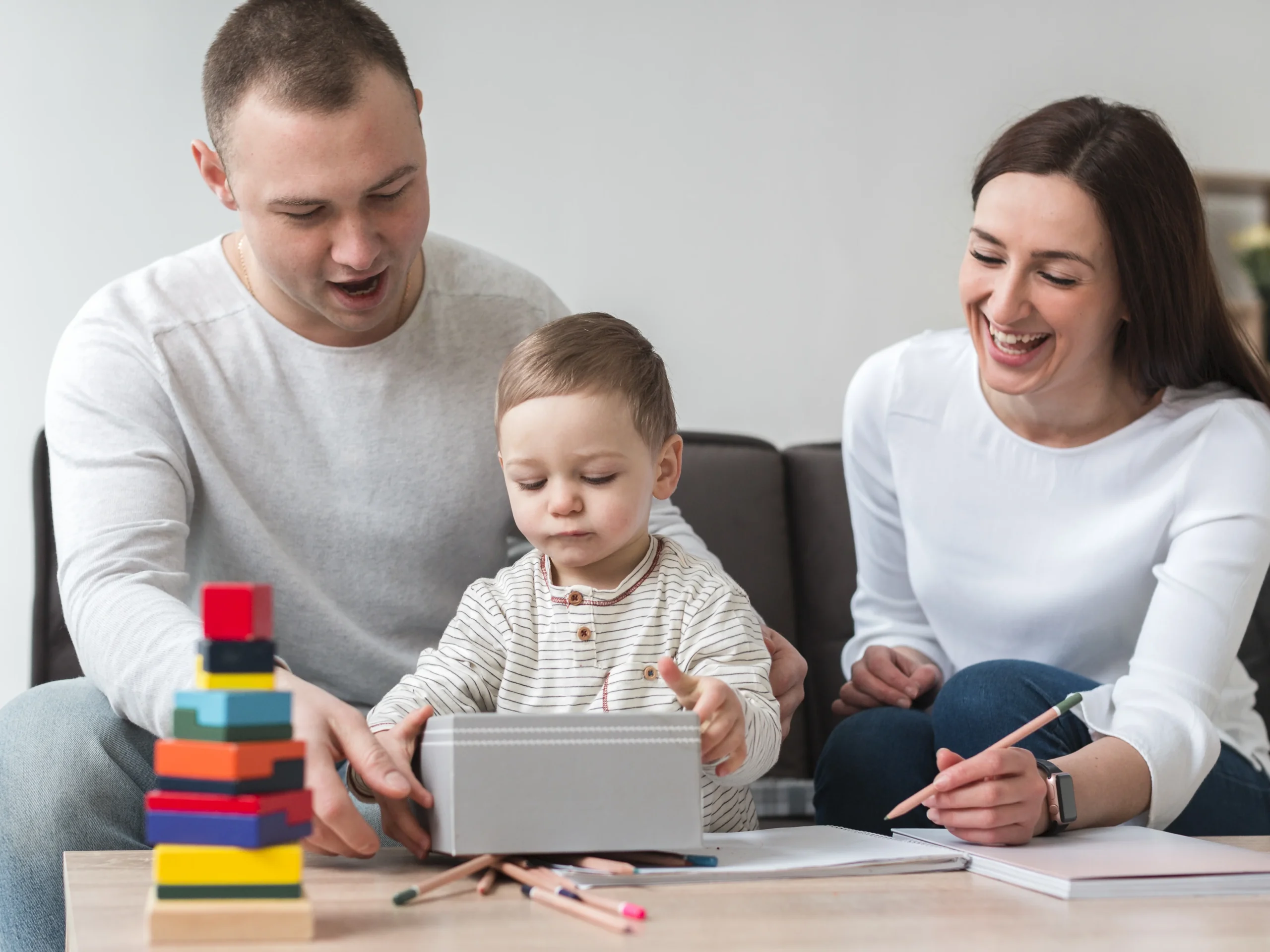
Cognitive milestones refer to the mental processes involved in learning, problem-solving, and understanding the world. These growth milestones parents should know reflect how children think, learn, and remember, helping parents track their child’s cognitive development as they grow.
1. Responding to Sounds and Recognizing Faces (0-6 months)
In the first few months, babies start to engage with the world around them through sensory experiences:
- 1-2 months: Reacting to familiar voices and sounds, especially their parents’ voices.
- 3-4 months: Focusing on faces and recognizing family members.
Babies develop the ability to focus on and process their surroundings, laying the groundwork for further cognitive development.
2. Understanding Cause and Effect (6-12 months)
By six months, babies begin to understand the concept of cause and effect:
- 6-9 months: Reaching for toys or objects and learning they can make things happen by grabbing or pressing.
- 9-12 months: Beginning to understand simple concepts like “no” or “bye-bye” and responding with actions, such as waving.
These early stages are crucial for understanding how their actions can influence the environment.
3. Problem-Solving and Memory (12-24 months)
At this stage, children begin exploring their surroundings more actively:
- 12-18 months: Playing with toys in more complex ways (e.g., stacking blocks or fitting shapes into a puzzle).
- 18-24 months: Using simple words and sentences to communicate their needs and ideas, which shows progress in language development.
Problem-solving activities at this age help with reasoning and cognitive growth.
Emotional and Social Milestones: Building Relationships
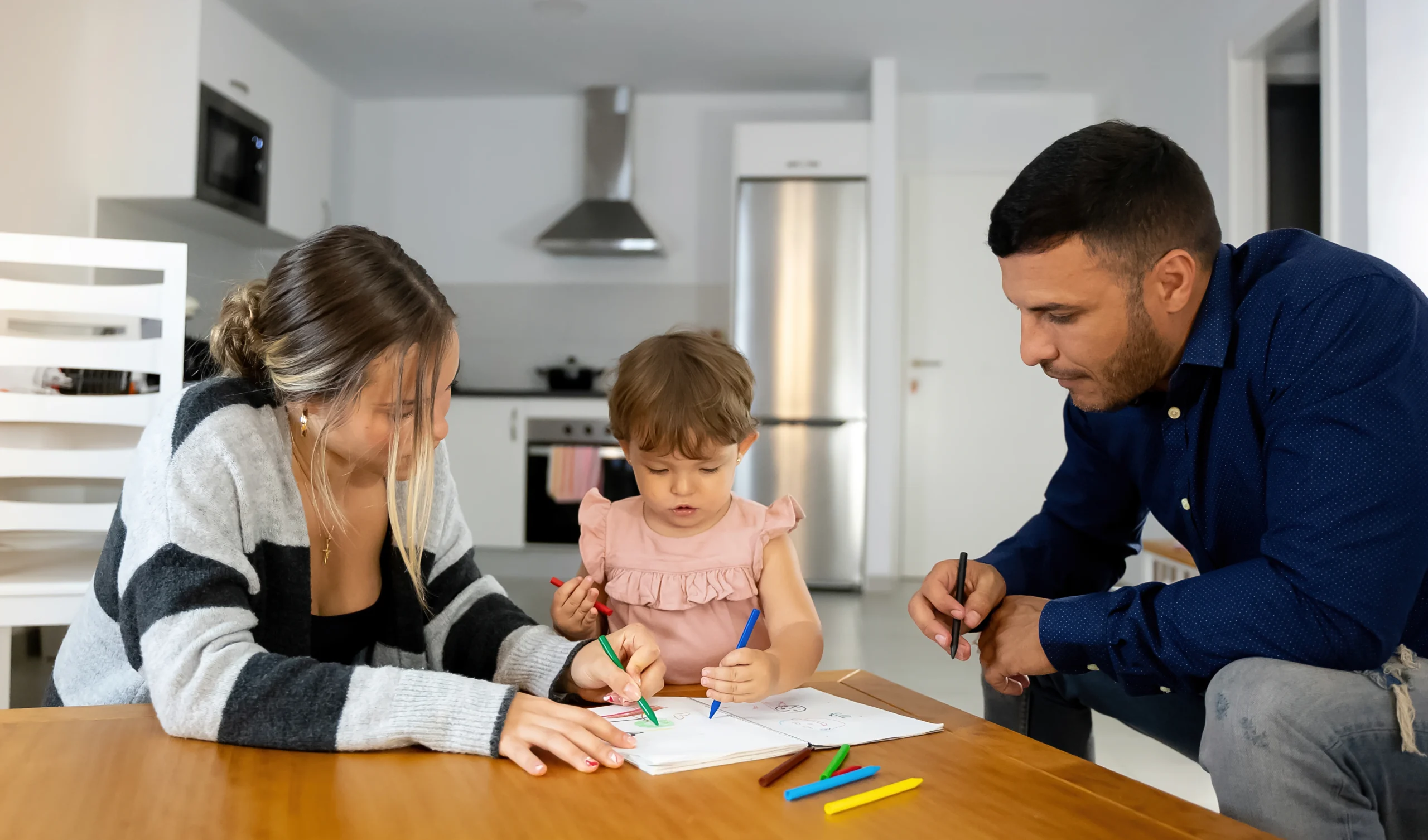
Emotional and social milestones reflect how children understand and express their feelings, as well as how they interact with others. These growth milestones parents should know are important for a child’s ability to form relationships and develop emotional intelligence.
1. Developing Trust and Bonding (0-6 months)
In the early months, babies build emotional connections with their caregivers. Attachment is crucial for their emotional well-being:
- 1-2 months: Smiling in response to others, showing early social engagement.
- 3-6 months: Developing a strong bond with primary caregivers and expressing joy when interacting with them.
Secure attachment in infancy sets the foundation for healthy emotional development throughout childhood.
2. Stranger Anxiety and Expressing Emotions (6-12 months)
Around six months, babies may start to show stranger anxiety, becoming wary of unfamiliar people. This is a sign of developing attachment:
- 6-8 months: Crying or showing distress around strangers.
- 9-12 months: Expressing a wider range of emotions, such as frustration or excitement.
These emotional milestones help babies communicate their feelings and develop a sense of security with their caregivers.
3. Playing with Others and Showing Empathy (12-24 months)
During the toddler years, children begin to understand social norms and interact with others more meaningfully:
- 12-18 months: Engaging in parallel play, where children play next to each other without direct interaction.
- 18-24 months: Starting to engage in more interactive play, such as sharing toys or taking turns.
At this stage, toddlers start showing empathy by responding to other children’s emotions, such as comforting a friend who is upset.
Speech and Language Milestones: Communication Skills
Speech and language development is an essential part of a child’s growth. Understanding language helps children connect with the world around them.
1. Listening and Babbling (0-6 months)
- 1-3 months: Responding to sounds and voices by cooing or making noises.
- 4-6 months: Babbling sounds, like “ba-ba” or “da-da,” as they practice vocalization.
Babbling is a crucial step in developing speech, as it helps children practice the sounds they’ll use in their first words.
2. Saying First Words (6-12 months)
By the end of their first year, many babies say their first recognizable word:
- 8-12 months: Saying simple words like “mama” or “dada.”
- 12 months: Beginning to understand simple phrases like “give me” or “bye-bye.”
First words are a milestone that leads to more complex language skills.
3. Combining Words and Expanding Vocabulary (12-24 months)
By 18 months, children typically begin combining words into simple phrases:
- 18-24 months: Using two- or three-word sentences, like “want cookie” or “big truck.”
- 24 months: Having a vocabulary of around 50 words and becoming more communicative.
At this stage, language development accelerates, helping children express their needs and ideas.
Supporting Your Child’s Growth: Tips for Parents
Parents play an active role in supporting their child’s growth by fostering a safe, nurturing environment that encourages development and helps them reach key growth milestones parents should know.
1. Encourage Physical Activity and Exploration
Allowing your child to explore their environment helps with motor skills and cognitive development. Provide safe spaces for crawling, walking, and playing to encourage their physical growth.
2. Promote Language Development
Talking, reading, and singing to your baby from a young age supports language development. Respond to your baby’s coos and babbling to encourage communication skills.
3. Foster Emotional Development
Provide a stable, loving environment that encourages emotional attachment and security. Respond to your child’s needs with warmth and consistency to help build trust and emotional resilience.
4. Offer Social Opportunities
Engage in playdates or group activities to help your child develop social skills. Watching and interacting with peers teaches important lessons about empathy, sharing, and cooperation.
Conclusion: Tracking Your Child’s Growth and Milestones
Every child develops at their own pace, but understanding common growth milestones parents should know helps parents recognize their child’s progress and potential challenges. By tracking your child’s physical, cognitive, emotional, and social development, you can provide the necessary support to help them thrive. Remember, if you have concerns about your child’s growth, it’s always a good idea to consult a pediatrician for guidance.
Call to Action:
What milestones is your child currently reaching? Share your experiences and tips with us in the comments below. For more parenting resources and tips, explore our other blog posts on child development.