


Introduction
As parents, we all want the best for our children, especially when it comes to their mental and emotional development. Did you know that 80% of a child’s brain develops within the first 3 years of life? This period of rapid growth is crucial for laying the foundation for cognitive skills, emotional regulation, and even long-term health. Understanding how to support your child’s brain development can have profound effects on their future success in school, relationships, and overall well-being.
“Research shows that the first few years of a child’s life are crucial for forming the foundation of learning and growth. This means the experiences and care a child receives during this stage can have lifelong effects. Understanding how to nurture and stimulate your child’s brain development sets them up for a future full of potential.
In this post, we’ll explore science-backed strategies, expert advice, and local cultural tips to foster children’s brain development. Whether you’re a new parent or looking for ways to support your child’s growth further, this comprehensive guide is packed with practical, evidence-based steps to enhance your child’s development naturally and holistically. Let’s dive in to understand the power of the early years and how you can help your child’s brain flourish.
Table of Contents
- Why Child’s Brain Development Matters
- The Science Behind Brain Growth in Children
- How to Grow Your Child’s Brain: A Step-by-Step Guide
- The Importance of Nutrition for Brain Development
- How Sleep Influences Your Child’s Brain Development
- The Role of Physical Activity in Brain Growth
- Brain Development and Emotional Health
- Local Tips to Promote a Child’s Brain Development
- Science-Backed Brain-Boosting Remedies
- Risks of Not Supporting Brain Development
- FAQs: Common Questions About a Child’s Brain Development
- Conclusion and Key Takeaways
Why Child’s Brain Development Matters
Brain development in children is a fundamental aspect of their growth and influences their ability to learn, solve problems, and regulate emotions. According to the World Health Organization (WHO), early childhood is a critical period for cognitive, emotional, and social development. This is the time when children’s brains are most receptive to learning and growing. Early interventions and appropriate stimulation during this time can have lifelong benefits, setting the foundation for a successful future.
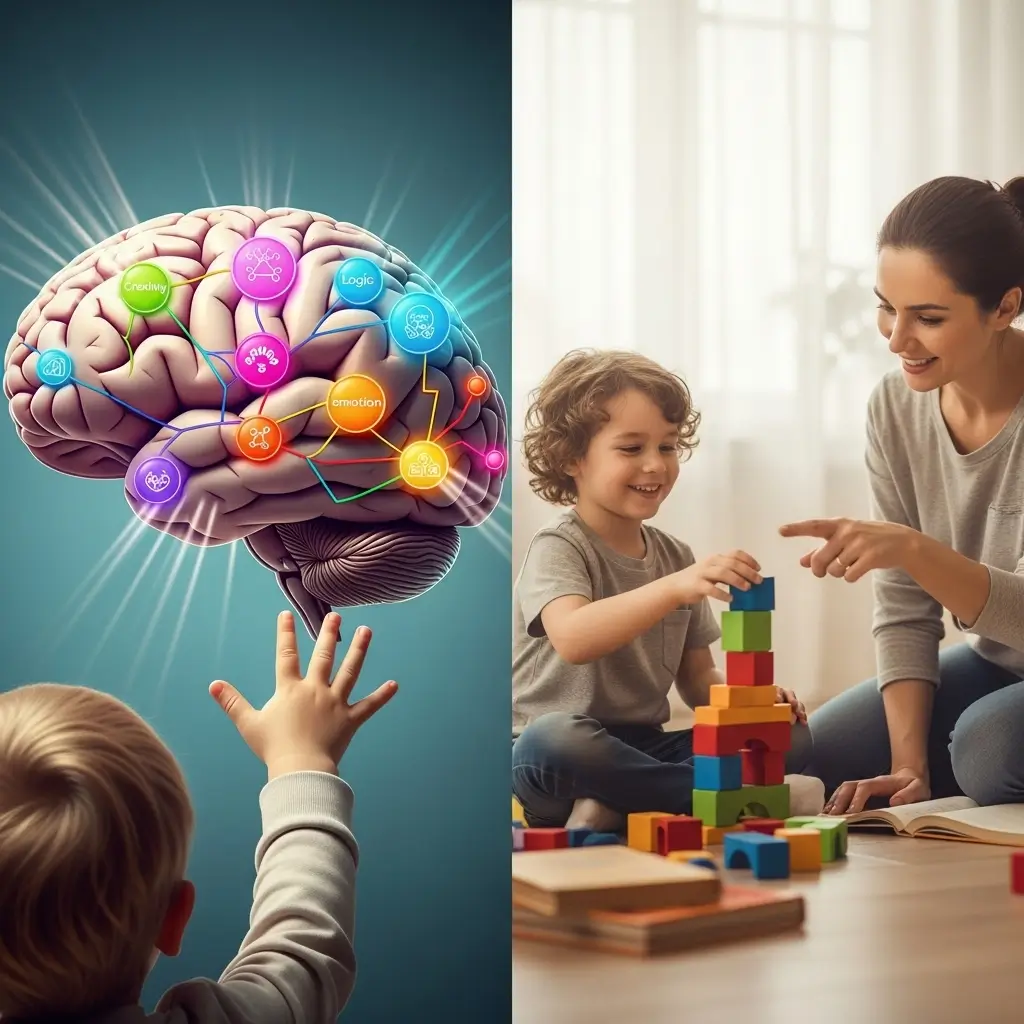
The National Institutes of Health (NIH) reports that a well-nourished child with a stimulating environment is more likely to excel in school and adapt better to life’s challenges. It’s during the early years that neural pathways in the brain form the basis for skills like problem-solving, language acquisition, and social interactions. Investing in your child’s brain development today will yield benefits throughout their entire life.
The Science Behind Brain Growth in Children
Understanding the child’s brain development can help parents and caregivers make informed decisions about their child’s growth. The human brain, particularly in early childhood, undergoes rapid neurodevelopment. During these early years, a child’s brain creates over one million neural connections per second! These connections are vital for cognitive, emotional, and social functioning, helping your child understand and interact with the world around them.
Studies show that the first 3 years of life are crucial for shaping the brain’s architecture. Experiences both positive and negative during this stage influence brain structure, forming pathways that affect learning, memory, and emotional regulation. Positive stimulation through interaction, play, and learning opportunities can enhance your child’s cognitive abilities, whereas neglect or adverse conditions can stunt brain development, potentially leading to future learning and behavioral issues.
How to Grow Your Child’s Brain: A Step-by-Step Guide
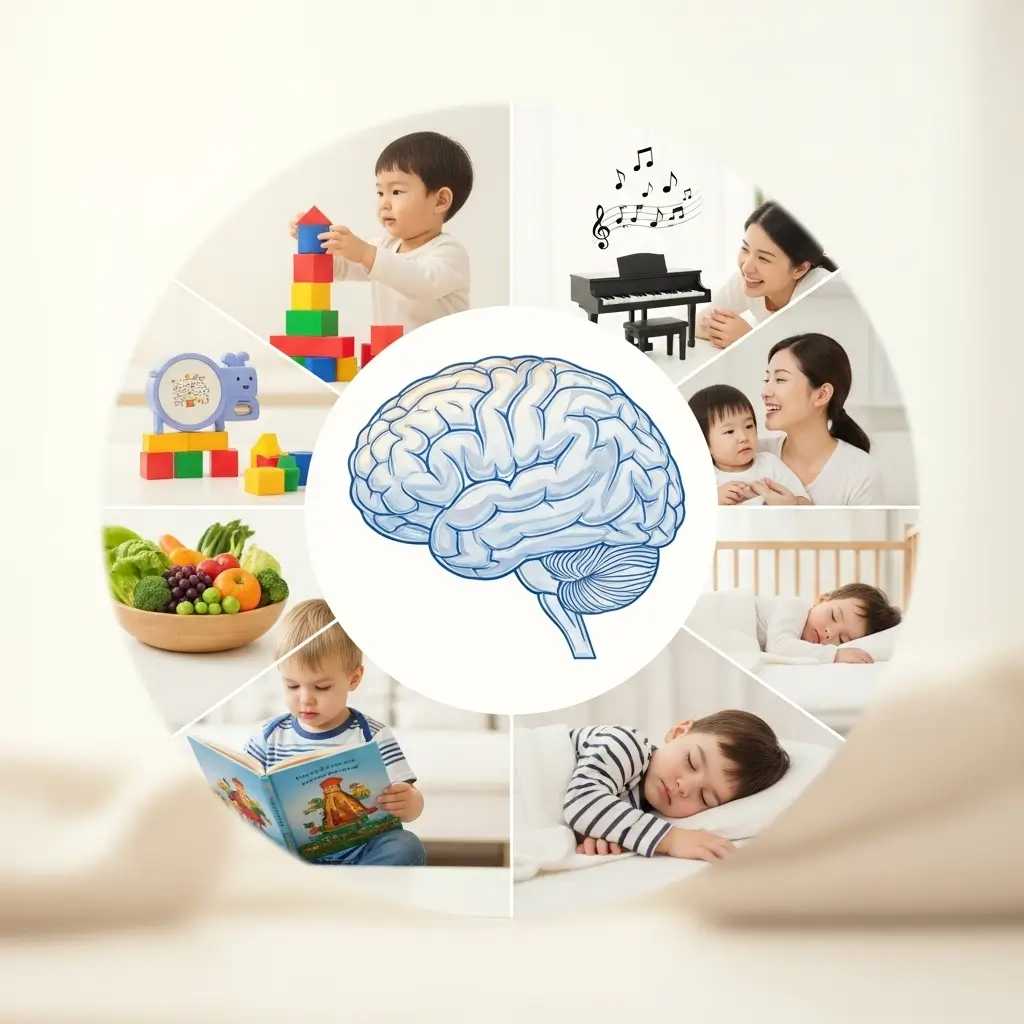
Supporting your child’s brain development doesn’t have to be difficult or expensive. Here’s a simple, step-by-step guide to nurture your child’s growing brain.
- Encourage Play-Based Learning
- Engaging in interactive, play-based activities is one of the most effective ways to stimulate brain development. Toys and games that involve problem-solving, creativity, and social interactions, like building blocks or puzzles, promote cognitive and emotional growth. Aim for at least 30 minutes of play-based learning each day.
- Read Together
- Reading with your child not only strengthens language development but also promotes better memory, comprehension, and critical thinking skills. Make reading a daily habit, choosing age-appropriate books that can spark curiosity, conversation, and imagination.
- Foster Emotional Connections
- Brain development in children is closely tied to their emotional health. Positive relationships with caregivers foster secure attachment, which is essential for a child’s brain growth. Consistent, loving interactions help them feel safe and supported, laying a foundation for emotional regulation and healthy relationships.
- Introduce Problem-Solving Activities
- Cognitive skills grow when children are given opportunities to tackle challenges. Simple activities such as puzzles, building with blocks, or role-playing encourage your child to think critically and solve problems. These activities stimulate the brain and help develop executive functions like planning, reasoning, and decision-making.
- Provide Regular Opportunities for Exploration
- Exposure to new environments and experiences is vital for cognitive growth. Nature walks, visits to museums, or creative art projects can stimulate your child’s brain, fostering curiosity and engagement with the world around them.
The Importance of Nutrition for Brain Development
What your child eats plays a significant role in their brain development. Nutrients like omega-3 fatty acids, proteins, and vitamins provide the building blocks for brain cells and neural connections. A healthy, balanced diet can promote optimal cognitive function, emotional regulation, and overall well-being.

Key nutrients for brain development include:
- Omega-3 fatty acids: Essential for cognitive function and memory. Found in fatty fish, walnuts, and flaxseeds.
- Iron: Crucial for developing the brain’s cognitive abilities. Found in spinach, beans, and lean meats.
- Protein: Supports cell growth and development. Found in eggs, beans, and poultry.
- Vitamin D: Helps support brain structure and function. Found in fortified milk, eggs, and sunlight.
A balanced diet that includes these nutrients ensures that your child’s brain has the energy and building blocks it needs to thrive.
How Sleep Influences Your Child’s Brain Development
Sleep is more than just a time for rest; it plays a vital role in brain development. Sleep promotes the consolidation of memories, emotional regulation, and cognitive functions. For children, adequate sleep is necessary for processing new information and refreshing the brain for the next day’s learning.
Children aged 3-5 should be getting 10-13 hours of sleep per night. Establishing a calming bedtime routine helps your child wind down, leading to better sleep quality. A well-rested child is more focused, better able to handle emotions, and more capable of retaining new information.
The Role of Physical Activity in Brain Growth
Physical activity isn’t just beneficial for the body; it’s crucial for brain development as well. Regular exercise improves blood flow to the brain, stimulating the growth of new neurons and enhancing cognitive function. Physical activity also promotes mood regulation and reduces stress, which is essential for healthy brain development.

Encourage your child to participate in activities that promote coordination, motor skills, and physical health, such as:
- Yoga or Tai Chi: Improves focus, flexibility, and emotional regulation.
- Running, biking, or swimming: Boosts cardiovascular health and brain function.
By incorporating physical activity into your child’s routine, you can boost their brain development while fostering healthy habits.
Brain Development and Emotional Health
Emotional health is integral to your child’s brain development. Strong emotional connections with caregivers provide a foundation for brain growth. A secure attachment to parents or other caregivers leads to positive brain structures, supporting the child’s ability to regulate emotions and engage with others.
Building emotional intelligence in your child can be done through simple practices like:
- Talking about emotions: Help your child identify and label their feelings.
- Modeling empathy and kindness: Demonstrate empathy by showing understanding and care for others.
Promoting emotional well-being not only supports cognitive development but also enhances social interactions, fostering a well-rounded child.
Local Tips to Promote a Child’s Brain Development
Incorporate activities and tips rooted in your local culture to help stimulate brain development. Cultural traditions provide unique ways to engage with your child, enriching their learning experience.
For example:
- Incorporate local games: Traditional games that engage the mind and body, like memory games, riddles, or outdoor activities, can promote brain development while connecting your child to cultural roots.
- Engage in storytelling: Share family history, local folklore, or myths to stimulate language development and memory.
These local tips offer opportunities for cognitive stimulation while helping children develop a deeper understanding of their cultural heritage.
Science-Backed Brain-Boosting Remedies
| Remedy | Benefits | Dosage | Sources |
|---|---|---|---|
| Omega-3 supplements | Boosts cognitive function and memory | 1000 mg daily | PubMed, NIH |
| Sleep hygiene practices | Enhances learning and memory retention | 10-12 hours/night | National Sleep Foundation |
| Physical exercise | Promotes brain cell growth and mood regulation | 30 min daily | Mayo Clinic |
Risks of Not Supporting Brain Development
If you neglect to support your child’s brain development during the early years, it can have long-lasting effects. Lack of stimulation or emotional neglect can result in developmental delays, learning difficulties, and emotional challenges. Without proper support, children may struggle in school and face difficulties in regulating their emotions and behavior.
Early intervention is critical for addressing any concerns about brain development early on. You can help ensure your child has the best chance for future success.
FAQs: Common Questions About a Child’s Brain Development
Q1: How can I enhance my child’s brain development at home?
Q2: What role does nutrition play in child development?
Q3: How can emotional health impact brain development in children?
Q4: What activities can help my child’s cognitive development?
Q5: Is physical activity necessary for brain growth in children?
Q6: How can sleep impact my child’s cognitive abilities?
Q7: Are there any supplements that can help brain development in children?
Conclusion:
A child’s brain development is the cornerstone of their future success, happiness, and health. By supporting their growth with proper nutrition, emotional support, physical activity, and enriching experiences, you can help set the stage for a lifetime of learning and well-being. Try implementing these strategies today and watch your child thrive!
Call to Action: Start today! Explore more brain development tips on our website and subscribe to regular updates to help your child grow to their fullest potential.