

Introduction

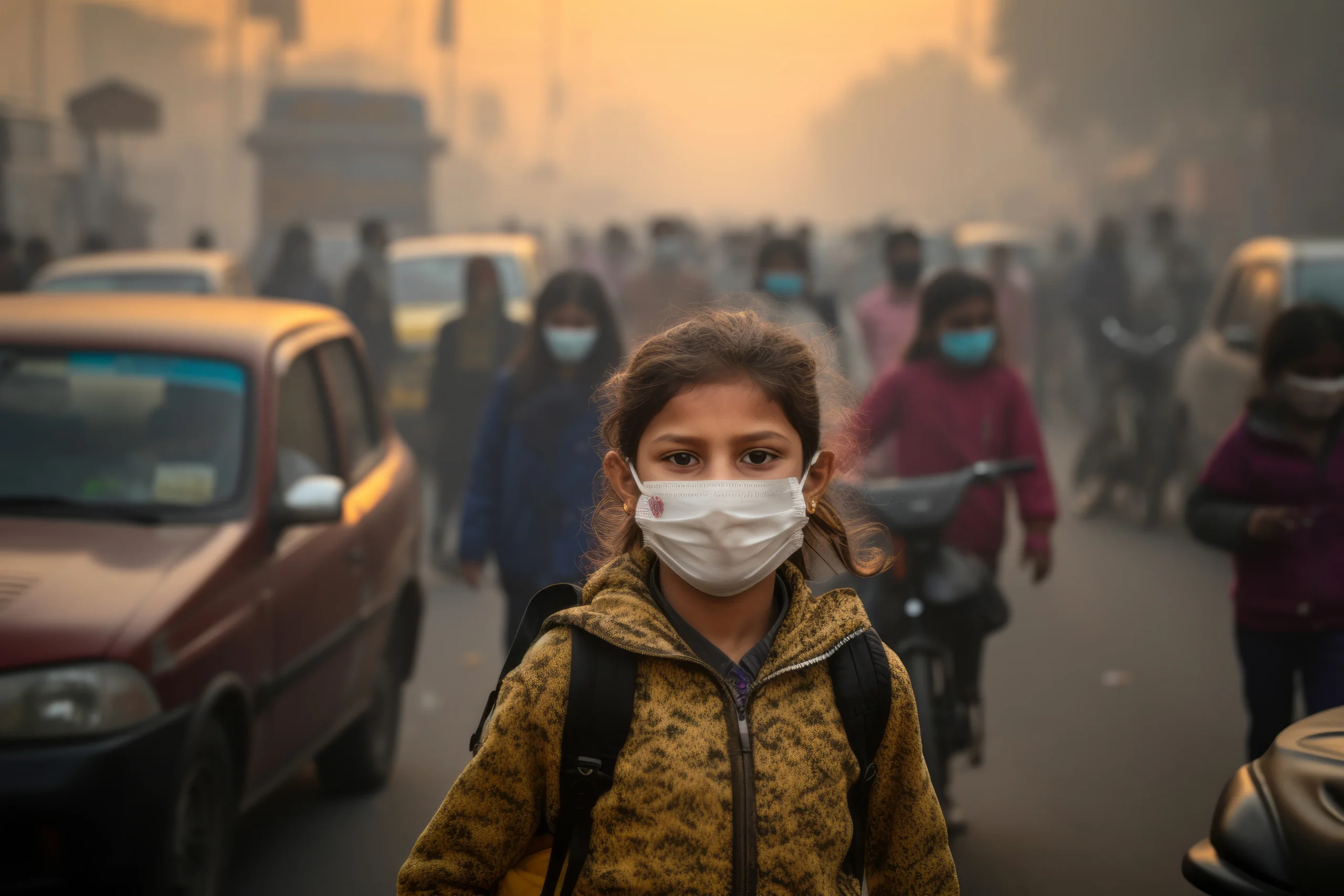
The effect of climate change on health is no longer a distant or abstract issue discussed only by scientists and policymakers. It is already shaping the way we live, breathe, eat, and protect ourselves from disease. Rising global temperatures, extreme weather events, melting glaciers, prolonged heatwaves, floods, droughts, and disrupted ecosystems are not just environmental concerns. They are powerful forces that directly influence human health and increase the risk of new viruses and infections emerging across the world.
Many people are surprised to learn that the affect of climate change on health plays a major role in why diseases such as dengue, Zika, chikungunya, Nipah, Lyme disease, and other viral and bacterial infections are appearing in regions where they were once unheard of. What used to be considered a tropical health issue is now becoming a global one. As the climate warms, disease-carrying insects, animals, and microbes are expanding their reach, bringing infections closer to human populations.
Leading health organizations, including the World Health Organization and the National Institutes of Health, now recognize climate change as one of the greatest health threats of the 21st century. Changes in temperature, rainfall, and land use affect how insects breed, how animals migrate, and how viruses survive outside the human body. As a result, infections that were once geographically contained are now crossing borders more easily than ever before.
This guide is written for health-conscious adults who want clear, evidence-based information without fear-driven headlines or misinformation. You will learn how climate change is linked to new viruses, why this connection matters for everyday health, and what realistic steps you can take to protect yourself and your family. By understanding the affect of climate change on health, you can make smarter lifestyle, wellness, and prevention choices during uncertain times.
Why the Affect of Climate Change on Health Matters
The affect of climate change on health is seen in many interconnected ways, but its influence on infectious disease spread is one of the most concerning. As global temperatures rise, disease-carrying mosquitoes, ticks, rodents, and bats are able to survive in regions where colder climates once kept them away. When these animals move, the viruses and bacteria they carry move with them.
According to the World Health Organization, climate change is expected to cause approximately 250,000 additional deaths per year between 2030 and 2050 due to heat stress, malnutrition, and infectious diseases. Warmer temperatures also increase humidity and alter rainfall patterns, creating ideal breeding conditions for mosquitoes that transmit viruses such as dengue and Zika.
For everyday people, this means that infections once considered rare or distant are becoming more common and closer to home. Communities that were not prepared for these diseases may lack immunity, early detection systems, or healthcare infrastructure. Understanding the effect of climate change on health allows individuals, families, and health systems to prepare proactively instead of reacting after outbreaks occur.
How Climate Change Creates New Virus Threats
The affect of climate change on health does not create viruses out of thin air. Instead, it changes the conditions that allow viruses to spread, adapt, and reach humans more easily. When ecosystems are disturbed, viruses gain access to new hosts and environments.
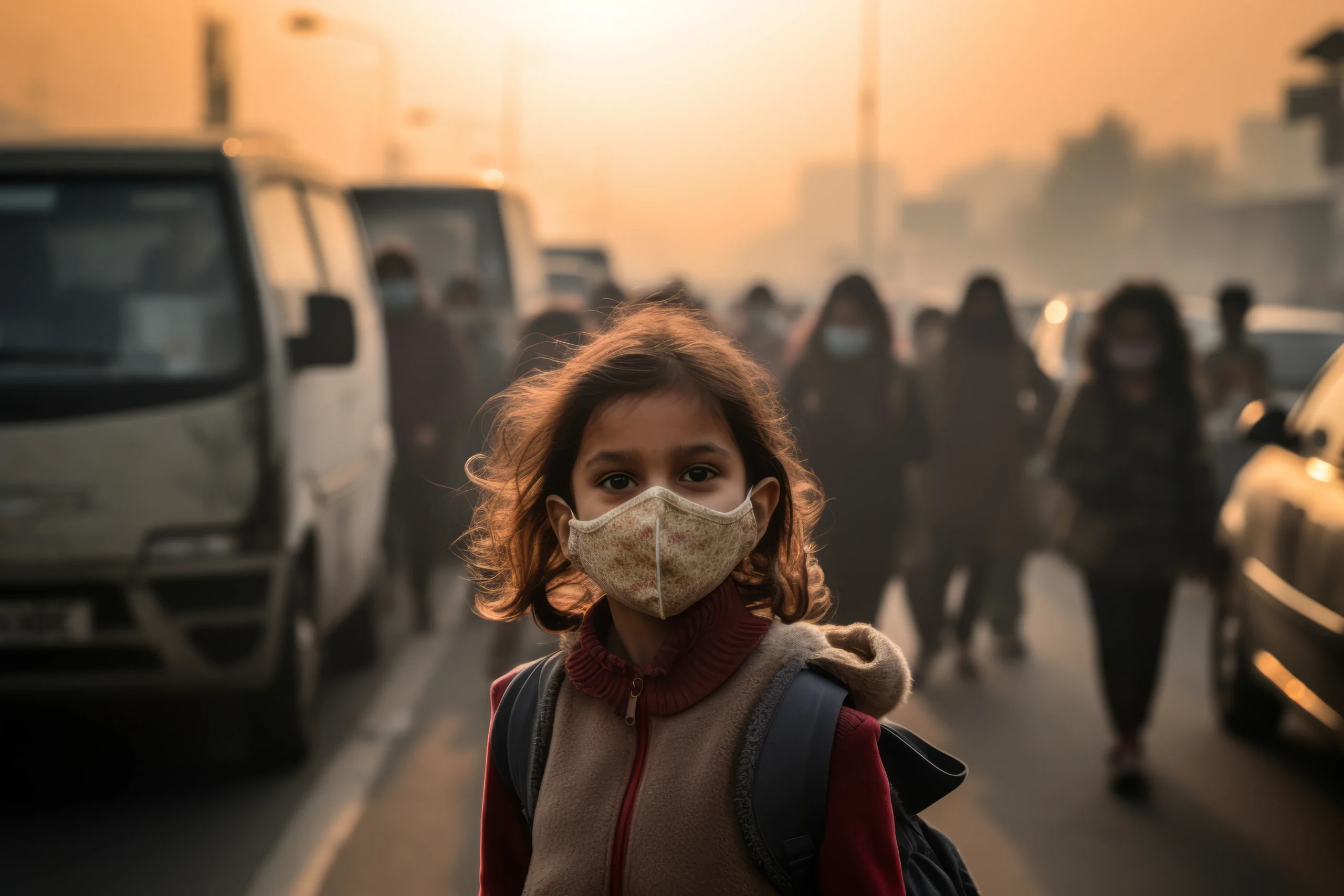
Deforestation pushes wildlife out of their natural habitats and closer to human settlements. Flooding contaminates water sources with bacteria and viruses. Prolonged heatwaves weaken the human immune system, making people more susceptible to infections. These overlapping conditions create perfect opportunities for viral transmission and outbreaks.
Scientists have observed that viruses thrive when the ecological balance is disrupted. Climate change accelerates this disruption by altering food chains, migration patterns, and biodiversity. When natural predators decline or habitats shrink, disease-carrying species can multiply rapidly, increasing the likelihood of human exposure.
Climate Change Linkage to New Viruses
One of the clearest examples of climate change linkage to new viruses is the global spread of mosquito-borne diseases. Dengue fever, which was once confined mainly to tropical and subtropical regions, is now appearing in parts of Europe, North America, and East Asia. Zika and chikungunya follow similar patterns, spreading to new areas as temperatures rise.
Viruses carried by bats, such as the Nipah virus and certain coronaviruses, are also influenced by climate change. As temperatures increase and food sources shift, bats expand their geographic range. When bats migrate closer to farms, markets, and urban areas, the risk of viruses spilling over into human populations increases significantly.
This linkage is not theoretical. Peer-reviewed studies published in medical journals confirm that rising temperatures, environmental stress, and habitat loss increase viral mutation rates and transmission opportunities. The affect of climate change on health essentially removes the natural barriers that once kept many viruses away from humans.
New Virus Threat Due to Climate Change
The new virus threat due to climate change is not about a single disease. It is about a repeating pattern seen across continents. Warmer climates allow pathogens to survive longer outside the human body. Floods increase exposure to contaminated water. Droughts push animals into urban areas in search of food and shelter.
Viruses that were once controlled by natural geographic and climatic barriers can now cross those barriers with ease. The affect of climate change on health is a key factor in why global health agencies closely monitor climate data alongside disease outbreak patterns. Environmental changes often precede spikes in infections.
As climate change accelerates, the risk of previously unknown viruses emerging also increases. Scientists call these events “spillovers,” where viruses jump from animals to humans under environmental pressure. Many major outbreaks in recent history have followed this exact pattern.
How Climate Change Affects Human Health Beyond Viruses
The effect of climate change on health goes far beyond infectious diseases. Heatwaves increase strain on the heart and lungs, particularly among older adults and people with chronic conditions. Air pollution worsens asthma, allergies, and cardiovascular disease. Rising temperatures increase dehydration and kidney stress.
Food insecurity caused by droughts and floods affects nutrition and weakens immune defenses. When the body lacks essential nutrients, it becomes more vulnerable to infections and slower to recover from illness.

The affect of climate change on health extends beyond physical illness to mental health. Climate anxiety, displacement due to floods or wildfires, and uncertainty about the future contribute to chronic stress. Long-term stress suppresses immune function, disrupts sleep, and increases inflammation, creating a hidden pathway through which climate change harms health.
Step-by-Step: How Climate Change Leads to Infections
First, rising global temperatures alter ecosystems and animal behavior.
Second, insects and wildlife migrate into new regions where humans may have little immunity.
Third, humans come into closer contact with animals carrying unfamiliar viruses.
Fourth, heat stress, poor air quality, and nutritional challenges weaken immune systems.
Finally, infections spread more quickly due to urban density, global travel, and delayed detection.
Understanding this chain of events explains why prevention must focus not only on treating disease but also on environmental awareness and personal health resilience.
Natural Ways to Protect Your Health in a Changing Climate
While individuals cannot stop climate change alone, they can strengthen their bodies’ resilience against its health effects. Maintaining a strong immune system is one of the most effective protective measures available.
Adequate sleep supports immune repair and hormonal balance. A nutrient-rich diet that includes fruits, vegetables, whole grains, and healthy fats provides antioxidants that protect cells from environmental stress. Hydration becomes even more important during heatwaves, as dehydration weakens circulation and immune response.
Managing stress through mindfulness, breathing exercises, light physical activity, or time in nature helps regulate cortisol levels, which directly affect immune strength. These habits do not eliminate risk, but they significantly reduce vulnerability when exposed to environmental and viral stressors.
Comparison Table: Natural Wellness Supports
| Support Method | Health Benefits | Daily Recommendation | Evidence Source |
|---|---|---|---|
| Vitamin C | Supports immune defense and reduces oxidative stress | 500–1000 mg | NIH |
| Zinc | Supports antiviral immune response | 8–11 mg | PubMed |
| Hydration | Maintains immune and metabolic function | 8–10 glasses | WHO |
| Sleep | Promotes immune system recovery | 7–9 hours | CDC |
Always consult a healthcare professional before adding supplements, especially if you have underlying health conditions.
Local and Practical Health Tips
In warmer regions, avoid stagnant water near homes, as it attracts mosquitoes. Use natural insect deterrents and window screens. After floods, ensure drinking water is clean and properly filtered. Wash fruits and vegetables thoroughly before consumption.
For families, teaching children basic hygiene, hydration, and outdoor safety habits is one of the most effective long-term investments in health. Simple daily practices can significantly reduce exposure to infections influenced by climate conditions.
Frequently Asked Questions
How does climate change affect human health?
Climate change increases heat stress, weakens immunity, worsens air quality, and raises the risk of infectious diseases.
Why are new viruses emerging?
Environmental disruption forces viruses into new hosts and geographic regions.
Can climate change cause pandemics?
Climate change increases risk but does not guarantee pandemics.
How can I naturally protect my immune system?
Focus on sleep, nutrition, hydration, and stress management.
Are viral outbreaks linked to global warming?
Yes, research shows strong correlations between rising temperatures and outbreaks.
Is climate change a health emergency?
The World Health Organization recognizes climate change as a major global health threat.
Conclusion
The affect of climate change on health is real, measurable, and already influencing the emergence and spread of new viruses and infections. While the scale of climate change can feel overwhelming, knowledge remains one of the most powerful tools for protection. Understanding how environmental changes affect disease patterns allows you to take practical, informed steps to safeguard your health and the well-being of your family.
By strengthening your immune system, practicing preventive care, and staying informed through credible health sources, you can reduce personal health risks even as global challenges continue to evolve. Health is not only about treatment. It is about preparation, awareness, and resilience.
Take action today. Stay informed. Subscribe to noblevitalcare.com for trusted, science-based wellness guidance.