


Introduction
Modern life in the United States and across the world is fast, stressful, and often overloaded with processed food, pollution, and constant screen exposure. Many people feel tired, inflamed, and mentally drained without knowing the real reason. One hidden cause behind these issues is what is oxidative stress, a process that silently damages the body at the cellular level.
Oxidative stress occurs when harmful molecules called free radicals overwhelm the body’s natural defense system. Over time, this imbalance can lead to premature aging, chronic inflammation, weakened immunity, and serious long-term health conditions. According to the National Institutes of Health (NIH), oxidative stress plays a major role in heart disease, diabetes, and cognitive decline.
As a wellness-focused platform, Noble Vital Care is dedicated to simplifying complex health topics into practical advice you can follow daily. Many readers across the USA and globally are now prioritizing preventive healthcare, natural remedies, and holistic wellness. Understanding oxidative stress is one of the most important steps toward protecting long-term health.
In this comprehensive guide, you will learn:
- What is oxidative stress in simple terms
- What causes oxidative stress
- What are the risk factors for oxidative stress
- How do you know about oxidative stress
- How can I prevent oxidative stress naturally
This article provides science-backed information combined with practical lifestyle tips designed for health-conscious adults who want to live longer, feel better, and prevent disease naturally.
Quick Answer: What Is Oxidative Stress?
What is oxidative stress?
Oxidative stress is a condition that happens when harmful molecules called free radicals build up in the body and damage cells because antioxidants cannot neutralize them effectively.
This imbalance can accelerate aging, weaken immunity, and increase the risk of chronic diseases such as heart disease, diabetes, and neurodegenerative disorders.
Managing oxidative stress through diet, lifestyle, and preventive care is essential for maintaining energy, longevity, and overall wellness.
Why You Should Trust Noble Vital Care
At NobleVitalCare.com, our content is based on evidence from trusted institutions like the World Health Organization (WHO), National Institutes of Health (NIH), and peer-reviewed medical research. Our goal is to provide clear, reliable, and practical wellness guidance that helps readers take control of their health naturally.
We focus on preventive healthcare, holistic living, nutrition, mental wellness, and fitness strategies that are safe, effective, and realistic for everyday life. Every article is created with a commitment to accuracy, transparency, and real-world application.
Why Oxidative Stress Matters More Than Ever
Oxidative stress is not just a scientific term. It is a growing global health concern.
According to the Centers for Disease Control and Prevention (CDC), chronic diseases such as heart disease, diabetes, and cancer account for nearly 70 percent of deaths in the United States. Understanding what is oxidative stress and why it is important because research shows it plays a major role in the development of these conditions.
Key Reasons It Matters:
- Accelerates aging and wrinkles
- Damages cells and DNA
- Weakens the immune system
- Increases inflammation
- Raises the risk of chronic disease
Modern lifestyles filled with processed foods, lack of sleep, and high stress levels significantly increase oxidative stress levels. Addressing it early can improve energy, mental clarity, and long-term health.
What Happens Inside Your Body During Oxidative Stress
To understand what is oxidative stress, it helps to know what happens inside the body.
Every day, your body produces free radicals during normal processes such as breathing, digestion, and exercise. External factors like pollution, smoking, and unhealthy foods also increase free radical production.
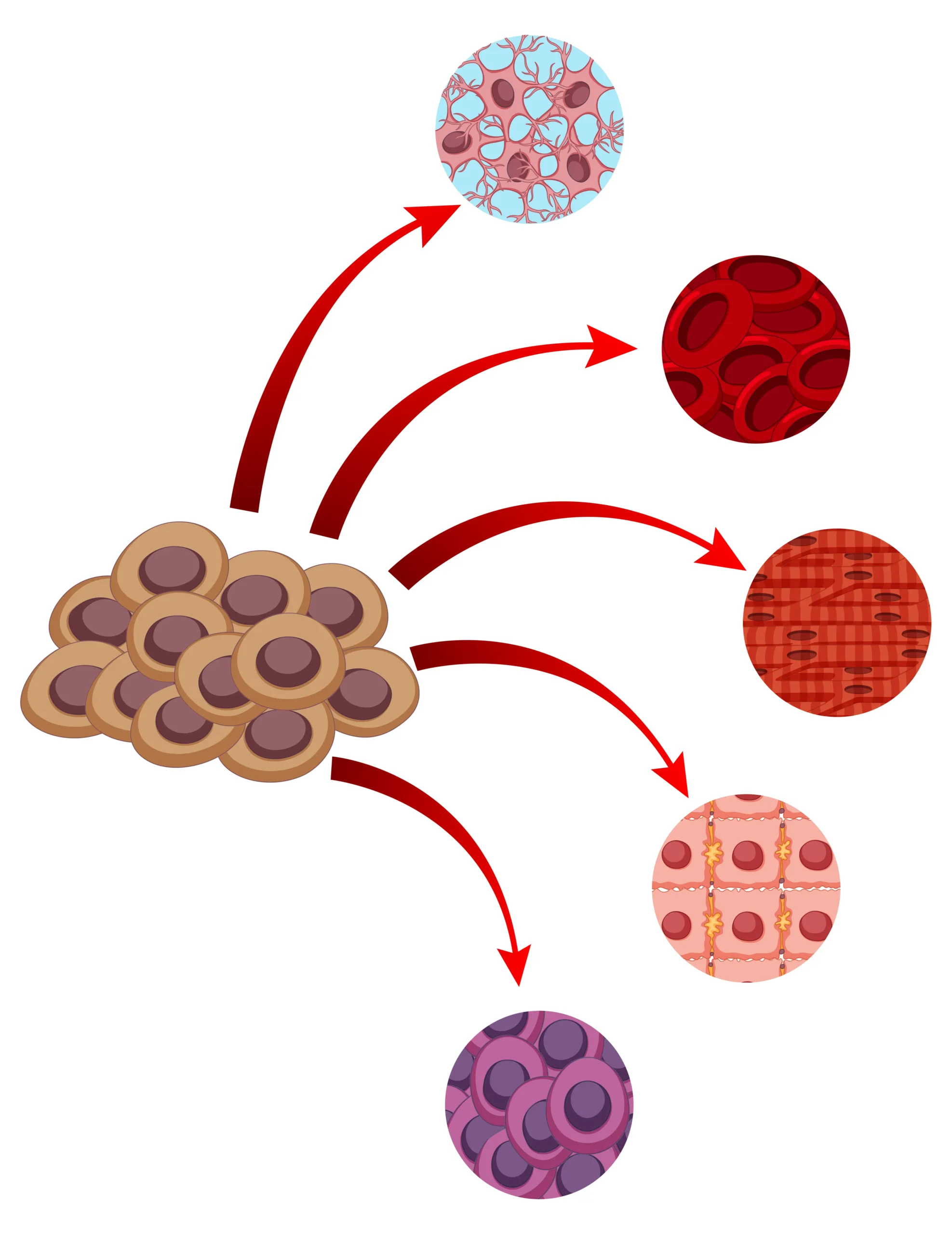
Antioxidants act as the body’s defense system. They neutralize free radicals and prevent damage. However, when free radicals become excessive, antioxidants cannot keep up.
This leads to:
- Cell membrane damage
- Protein damage
- DNA damage
- Increased inflammation
Over time, this cellular damage contributes to aging and chronic disease development.
What Causes Oxidative Stress?
Understanding what causes oxidative stress allows you to control and reduce it.
1. Poor Diet
Diets high in processed foods, sugar, and fried items increase free radical production. Many Americans consume ultra-processed foods daily, contributing to oxidative imbalance.
2. Chronic Psychological Stress
Long-term stress increases cortisol levels, which can trigger oxidative damage and inflammation.
3. Environmental Pollution
Air pollution, chemicals, pesticides, and heavy metals increase oxidative stress significantly, especially in urban environments.
4. Smoking and Alcohol
Both smoking and excessive alcohol intake produce large amounts of free radicals.
5. Lack of Sleep
Sleep is when the body repairs itself. Poor sleep reduces antioxidant defenses and increases oxidative stress.
6. Sedentary Lifestyle
Lack of physical activity weakens the body’s ability to combat oxidative damage.
What Are Risk Factors for Oxidative Stress?
Certain individuals face a higher risk due to lifestyle or biological factors.
Major Risk Factors:
- Aging
- Obesity
- Diabetes
- High blood pressure
- Chronic inflammation
- Nutritional deficiencies
- High-stress lifestyle
- Exposure to toxins
If multiple risk factors apply to you, focusing on prevention becomes essential.
How Do You Know About Oxidative Stress?
Many people ask, how do you know about oxidative stress when it cannot be seen directly.
Common Signs:
- Constant fatigue
- Brain fog
- Frequent illness
- Joint or muscle pain
- Premature aging
- Low immunity
- Digestive problems
Medical tests can measure oxidative stress markers, but lifestyle assessment and symptoms often provide early warning signs.
How Can I Prevent Oxidative Stress Naturally?
If you’re wondering what is oxidative stress and how to prevent it, the answer lies in consistent daily habits rather than extreme changes. Preventing oxidative stress is one of the most powerful ways to support longevity, mental clarity, and immune strength.

As a wellness-focused approach used widely across the USA and globally, prevention combines nutrition, lifestyle, and stress management.
Step-by-Step Guide to Prevent Oxidative Stress
1. Eat Antioxidant-Rich Foods Daily
Your diet is your strongest defense against oxidative stress. Antioxidants neutralize harmful free radicals before they damage cells.
Add these foods to your daily routine:
- Blueberries, strawberries, raspberries
- Spinach, kale, broccoli
- Avocados
- Sweet potatoes
- Tomatoes
- Dark chocolate (70% cocoa or higher)
- Green tea
In the US, many nutritionists recommend a “rainbow plate” approach. The more colorful your fruits and vegetables, the higher your antioxidant intake.
2. Stay Hydrated Throughout the Day
Water helps flush toxins and supports cellular repair.
Aim for:
- 8–10 glasses daily
- More if active or living in hot climates
Replace sugary drinks with herbal teas or infused water.
3. Improve Sleep Quality
Sleep is when your body repairs oxidative damage.
Lack of sleep increases inflammation and free radical activity.
Healthy sleep habits:
- 7–9 hours nightly
- Avoid screens 1 hour before bed
- Keep the room cool and dark
- Maintain a consistent sleep schedule
4. Manage Stress Effectively
Chronic stress is one of the biggest contributors to oxidative stress.
Daily stress-reducing habits:
- Meditation or deep breathing (10 minutes)
- Walking outdoors
- Journaling
- Limiting social media overload
Mental wellness directly impacts cellular health.
5. Exercise in Moderation
Regular exercise reduces oxidative stress, but excessive training without recovery can increase it.
Recommended:
- 30 minutes walking or light cardio daily
- Strength training 3 times weekly
- Yoga or stretching
Consistency matters more than intensity.
6. Avoid Toxins and Pollutants
Limit exposure to:
- Cigarette smoke
- Air pollution
- Excess alcohol
- Processed foods
- Chemical-heavy skincare
Choose natural, clean products when possible.
Best Antioxidant Foods to Reduce Oxidative Stress
Nutrition plays a central role in reducing oxidative stress naturally.
Top Foods That Fight Oxidative Stress
Fruits
- Blueberries
- Oranges
- Pomegranates
- Grapes
Vegetables
- Spinach
- Kale
- Broccoli
- Carrots
Healthy fats
- Olive oil
- Avocados
- Nuts and seeds
Beverages
- Green tea
- Herbal tea
- Lemon water
In the US, dieticians often recommend the Mediterranean diet because it is rich in antioxidants and anti-inflammatory foods.
Science-Backed Natural Remedies
Natural remedies can support your body’s antioxidant system when used correctly.
| Remedy | Benefits | Suggested Intake | Natural Sources |
|---|---|---|---|
| Vitamin C | Boosts immunity, reduces cell damage | 500–1000 mg/day | Citrus fruits, berries |
| Vitamin E | Protects cell membranes | 15 mg/day | Almonds, sunflower seeds |
| Omega-3 | Reduces inflammation | 1–2 g/day | Fatty fish, flaxseed |
| CoQ10 | Supports energy & heart health | 100–200 mg/day | Supplements |
| Turmeric | Powerful anti-inflammatory | 500 mg/day | Turmeric root |
Always consult a healthcare professional before starting supplements, especially if you are taking medication.
How Oxidative Stress Affects Aging and Energy
One of the most noticeable effects of oxidative stress is premature aging and low energy.
Effects on Aging
- Wrinkles and dull skin
- Memory decline
- Reduced stamina
- Joint stiffness
Effects on Daily Energy
- Persistent fatigue
- Poor concentration
- Slow recovery after exercise
- Mood fluctuations
Reducing oxidative stress helps maintain youthful energy, clearer skin, and better focus.
USA Lifestyle Tips to Reduce Oxidative Stress
For readers in the United States, modern lifestyles often include fast food, long working hours, and digital overload. Small changes can create big results.
Practical Tips:
- Replace soda with green tea
- Walk 8,000–10,000 steps daily
- Choose whole foods over processed snacks
- Take short movement breaks during desk work
- Shop for fresh produce weekly
These realistic habits fit into busy American lifestyles and significantly reduce oxidative damage over time.
Expert Insight on Oxidative Stress
Research published by the National Institutes of Health states:
Oxidative stress plays a critical role in the development of chronic diseases, including cardiovascular disease, diabetes, and neurodegenerative disorders.” Understanding what is oxidative stress helps people recognize how this hidden process affects long-term health.
This highlights the importance of prevention through diet, lifestyle, and daily wellness habits.
7-Day Anti-Oxidative Stress Reset Plan
If you truly want to lower oxidative damage and feel more energetic, start with this simple 7-day reset. Many wellness clients across the USA have reported improved sleep, digestion, and energy within a week of following these habits.
Day 1: Remove processed sugar and soda
Day 2: Add berries or citrus fruits to breakfast
Day 3: Walk at least 20–30 minutes outdoors
Day 4: Drink green tea instead of sugary drinks
Day 5: Sleep 7–8 hours with no late-night screen use
Day 6: Practice 10 minutes of deep breathing or meditation
Day 7: Eat a fully home-cooked antioxidant-rich meal
Repeat this cycle weekly for noticeable results.
Long-Term Benefits of Reducing Oxidative Stress
When you consistently manage oxidative stress, your body begins to repair and restore itself.
Physical Benefits
- Stronger immune system
- Better heart health
- Reduced inflammation
- Healthier skin and slower aging
- Increased daily energy
Mental Benefits
- Improved focus
- Better mood stability
- Reduced anxiety
- Sharper memory
Many adults aged 25–55 in the USA are now prioritizing preventive healthcare rather than waiting for a disease to appear. Reducing oxidative stress is one of the most powerful preventive strategies available.
FAQ: Oxidative Stress and Prevention
What is oxidative stress in simple terms?
Oxidative stress occurs when harmful molecules called free radicals damage body cells because antioxidants cannot neutralize them effectively.
What causes oxidative stress the most?
Poor diet, stress, lack of sleep, pollution, smoking, and alcohol are the biggest contributors.
How do you know about oxidative stress in your body?
Common signs include fatigue, brain fog, low immunity, joint pain, and premature aging.
How can I prevent oxidative stress naturally?
Eat antioxidant-rich foods, manage stress, sleep well, stay active, and avoid toxins.
Can oxidative stress cause aging?
Yes. It accelerates cellular aging and contributes to wrinkles, low energy, and chronic disease.
Which foods reduce oxidative stress?
Berries, leafy greens, nuts, seeds, green tea, dark chocolate, and citrus fruits are excellent choices.
Is oxidative stress reversible?
In many cases, yes. Lifestyle and nutrition changes can significantly reduce oxidative damage over time.
Conclusion
Understanding what is oxidative stress can completely change how you approach your health. Instead of waiting for symptoms or disease, you can take control through preventive habits that protect your body at the cellular level.
Modern lifestyles in the USA and globally make oxidative stress almost unavoidable. However, it is highly manageable through balanced nutrition, quality sleep, stress management, and regular movement. Small daily improvements can lead to powerful long-term health outcomes.
Start by adding antioxidant-rich foods, improving sleep, and reducing processed foods. These simple steps can boost energy, slow aging, and support overall wellness.
If you want more science-backed health and wellness guidance, stay connected with Noble Vital Care and make preventive health your daily priority.