


Introduction
Mental health is no longer just a personal matter; it’s becoming increasingly intertwined with the technology we use every day. With mental health issues rising globally, digital solutions like apps and wearables are transforming how people manage their emotional and psychological well-being. According to the World Health Organization (WHO), over 300 million people suffer from depression worldwide, a statistic that has only increased with the rise of digital lifestyles. But what if technology could help solve the very issues it sometimes exacerbates?
In this article, we’ll explore digital mental health tools, apps and wearables that offer practical, science-backed solutions to improve mental well-being. From mindfulness to therapy, digital therapeutics are providing new ways to manage mental health. Whether you’re struggling with stress, anxiety, or depression, these tools may be the game-changer you need.
Why Digital Mental Health Matters
The use of digital tools for mental health has gained massive popularity, and for good reason. According to the National Institute of Mental Health (NIMH), nearly 1 in 5 adults in the U.S. experiences mental illness annually. However, many of these individuals struggle to access timely and adequate care. Digital mental health solutions bridge this gap by providing easily accessible, affordable, and scalable mental health care. Apps and wearables allow users to monitor their mental state, practice mindfulness, track mood, and even access therapy services all from the convenience of their smartphones or smartwatches.
These tools are becoming vital in addressing the mental health crisis. Whether you’re looking to reduce stress, manage anxiety, or improve overall well-being, digital mental health tools can offer support, especially for those who lack access to traditional mental health resources. They offer an immediate, personal approach to improving mental well-being and can empower individuals to take control of their mental health.

The integration of technology into healthcare has been a major shift in recent years, and mental health is no exception. As more people turn to their devices for solutions, digital mental health tools continue to evolve. These tools have gained popularity not only for their accessibility but also for the tangible, user-friendly solutions they provide to people in need. Moreover, they complement existing treatment methods like therapy and medication, providing a more holistic approach to managing mental health.
Types of Digital Mental Health Tools
Digital mental health solutions come in various forms, catering to different needs and preferences. The most common types of tools include mental health apps, wearable devices, digital therapeutics, and telehealth platforms.
Mental Health Apps: These mobile applications are designed to help users manage their mental well-being. They offer a variety of features like mood tracking, mindfulness exercises, and Cognitive Behavioral Therapy (CBT) tools. Popular mental health apps include Calm, Headspace, and Moodfit. Each app provides users with different ways to engage in self-care, from guided meditation to journaling.
Wearable Devices: Wearables, such as smartwatches and fitness trackers, provide continuous monitoring of physiological data. These devices track metrics like heart rate variability, sleep patterns, and physical activity, all of which are linked to mental health. Devices like Fitbit and Oura Ring offer users the ability to monitor their health in real-time and make informed decisions about their well-being.
Digital Therapeutics: These are clinically validated, evidence-based programs designed to treat specific mental health conditions like anxiety, depression, and PTSD. Digital therapeutics are built to offer structured interventions such as cognitive exercises, relaxation techniques, and therapy. Companies like Pear Therapeutics provide FDA-approved digital therapeutics aimed at improving mental health outcomes.
Telehealth Platforms: Platforms such as BetterHelp and Talkspace connect individuals with licensed therapists through online therapy sessions. These platforms have made therapy more accessible, offering a flexible and confidential environment for users to seek mental health support from the comfort of their own homes.
Each of these tools offers unique features that cater to a wide range of mental health needs. Depending on what you’re seeking—whether it’s mood tracking, therapy, or personalized data insights—there’s likely a digital solution that fits your preferences.
How Digital Mental Health Tools Can Help You
Digital mental health tools support your well-being in a variety of ways. These tools help individuals gain greater control over their mental health by providing real-time data, offering access to therapeutic resources, and encouraging healthy lifestyle habits.
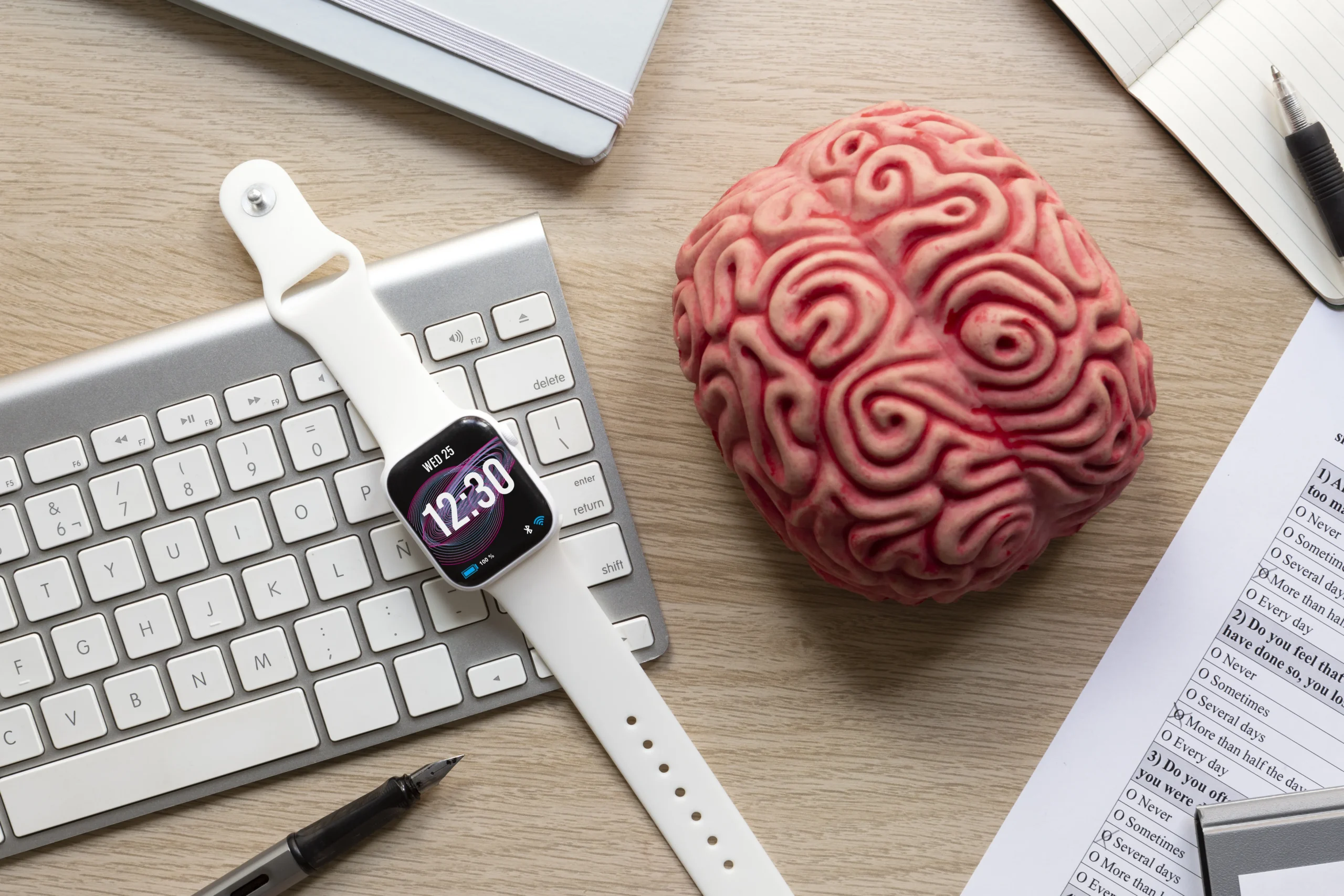
First and foremost, digital mental health tools allow users to engage in self-monitoring. Many apps and wearables offer mood tracking features, allowing users to log their feelings and emotions throughout the day. This can help identify patterns in their mental state, such as triggers for anxiety or stress. By understanding these patterns, users can make informed decisions about their well-being and take proactive steps to manage their emotions.
In addition to mood tracking, digital mental health tools also provide therapeutic support. Some apps offer mindfulness exercises, guided meditations, and breathing techniques to help reduce stress and improve emotional regulation. Wearable devices like smartwatches also offer biofeedback, which helps users understand the physical aspects of their stress and anxiety. By engaging in these therapeutic exercises regularly, individuals can create healthier coping mechanisms that support their overall well-being.
Another major benefit of these tools is that they provide personalized feedback based on the data they collect. For example, mood tracking apps can provide insights into your emotional patterns, while wearable devices can offer suggestions for improving sleep or reducing stress based on your daily activity levels. This personalized feedback helps users gain deeper insights into their mental health and adjust their routines accordingly.
Finally, digital mental health tools offer 24/7 availability. Many apps and wearables are always accessible, providing continuous support, even when traditional therapy or counseling might not be available. This makes it easier for individuals to access mental health resources whenever they need them.
Benefits and Risks of Digital Mental Health Tools
While digital mental health tools offer many benefits, it’s important to recognize that there are potential risks as well. Understanding both the advantages and disadvantages can help you make an informed decision about whether these tools are right for you.
Benefits:
Digital mental health tools provide several key benefits. First, they offer accessibility, enabling individuals to engage with mental health resources from anywhere at any time. This is especially important for individuals who live in areas with limited access to mental health professionals or who may not be able to afford in-person therapy.
These tools also tend to be affordable, with many apps offering free versions or low-cost subscriptions. Compared to the cost of traditional therapy, digital mental health tools are a more affordable option for many individuals.
Additionally, digital tools provide convenience. Many apps and wearables allow users to track their mood, access therapy, and practice mindfulness at their convenience. This flexibility makes it easier for individuals to incorporate mental health practices into their daily routine.
Finally, these tools offer a level of privacy that some people may find comforting. The anonymity provided by digital tools can reduce the stigma associated with seeking mental health support, making it easier for individuals to get the help they need without fear of judgment.
Risks:
However, there are also risks associated with digital mental health tools. One potential drawback is over-reliance on technology. While these tools can be helpful, they should not replace professional therapy or treatment for serious mental health conditions. If you’re dealing with a severe mental health issue, such as suicidal thoughts or a diagnosed mental health disorder, it’s important to seek help from a licensed professional.
Another risk is related to privacy concerns. Many digital mental health tools collect sensitive data, such as mood logs, biometric information, and personal health details. If the app or device doesn’t have strong data protection policies, this information could be vulnerable to breaches.
Additionally, not all digital mental health tools are backed by rigorous scientific research. While many apps and wearables are helpful, others may lack the clinical validation needed to ensure their effectiveness. It’s important to research the tools you’re using and ensure that they’re based on sound evidence.
Step-by-Step Guide: Using Mental Health Apps and Wearables
If you’re ready to start using digital mental health tools, here’s a step-by-step guide on how to get started:
Mental Health Apps

The first step is to download a mental health app that suits your needs. Apps like Headspace and Calm offer guided meditation and mindfulness exercises, while apps like Moodfit provide mood tracking and mental health journaling.
Once you’ve selected an app, it’s important to set your goals. For example, you might set a goal to meditate for 10 minutes every day, or to track your mood three times a week. Setting clear goals will help you stay consistent and get the most out of the app.
Next, make sure to track your progress regularly. Many apps allow you to log your feelings, mood, and stress levels. By regularly inputting your data, you’ll gain valuable insights into your mental health patterns.
Finally, use the guided sessions that the app provides. These might include mindfulness exercises, breathing techniques, or journaling prompts. These sessions are designed to help you manage stress, anxiety, and other mental health challenges.
Wearable Devices
To use wearable devices like Fitbit or Oura Ring, the first step is to sync your device to your smartphone. Once synced, your wearable will monitor important metrics like your heart rate, sleep quality, and physical activity levels.
Next, monitor key metrics regularly. Pay attention to how your body responds to stress, exercise, and sleep. Many wearables will provide real-time feedback, such as a warning when your heart rate is elevated or if you’re not getting enough sleep.
You can also set personalized alerts to remind you to take breaks, engage in physical activity, or practice mindfulness. These reminders help reinforce healthy habits and encourage self-care.
Finally, make sure to review your insights regularly. Many wearables provide insights into your stress levels, sleep patterns, and physical health. This data can help you make adjustments to your routine to improve your overall well-being.
The Science Behind Digital Mental Health Tools
The science behind digital mental health tools is rooted in established psychological practices, such as Cognitive Behavioral Therapy (CBT), mindfulness, and biofeedback. Research has shown that digital tools can significantly improve mental health outcomes.
For instance, a study published in JAMA Psychiatry found that digital mental health interventions can reduce symptoms of anxiety and depression by up to 50%. Another study published in The Lancet Psychiatry highlighted the effectiveness of digital therapeutics in treating conditions like PTSD and insomnia.
Digital mental health tools work by engaging users with structured interventions. Apps often use CBT techniques to help users identify negative thought patterns and replace them with healthier ones. Wearables use biofeedback to help users regulate their stress levels by monitoring physiological data like heart rate and sleep quality.
These tools provide users with the support they need, making mental health management more accessible and effective.
Local Tips: Making Technology Work for Your Mental Health
Incorporating digital tools into your daily routine can take time. Here are some tips to help:
- Set boundaries: Limit your screen time on mental health apps to avoid digital burnout. Try setting specific times of the day to use the app.
- Combine with real-world strategies: Use digital tools alongside physical activity, social support, and sleep hygiene. This holistic approach will maximize the benefits of both traditional and digital methods.
- Stay consistent: It takes time to see the benefits of digital mental health tools. Stick with it for a few weeks to notice meaningful results.
Comparison of Popular Digital Mental Health Tools
| Tool | Benefits | Features | Source |
|---|---|---|---|
| Headspace | Reduces stress and anxiety, improves sleep | Guided meditation, breathing | Headspace.com |
| Calm | Stress relief, improved sleep | Meditation, sleep stories | Calm.com |
| Fitbit | Monitors heart rate, activity levels | Sleep tracking, stress monitoring | Fitbit.com |
| Talkspace | Access to therapy anytime | Virtual therapy sessions | Talkspace.com |
FAQ on Digital Mental Health Tools
How do digital mental health tools work?
They use scientifically backed methods like mindfulness, mood tracking, and therapeutic exercises to support mental well-being.
Are digital mental health tools effective?
Yes, many studies show that digital tools can significantly reduce symptoms of anxiety and depression.
Can digital mental health tools replace therapy?
While helpful, they should not replace professional therapy, especially in severe cases.
Are digital mental health tools safe to use?
Most apps and wearables are safe, but be cautious about the quality of the app and how your data is used.
Which mental health apps are best?
Apps like Calm, Headspace, and Moodfit are popular for reducing stress and improving mental health.
Conclusion
Digital mental health tools, from apps to wearables, are transforming how we approach mental well-being. They offer a convenient, accessible, and affordable way to manage stress, anxiety, and other mental health challenges. Whether you’re looking to meditate, track your mood, or access therapy, these tools can provide the support you need. Try integrating these technologies into your routine for better mental health today—and remember, consistency is key!