

Introduction
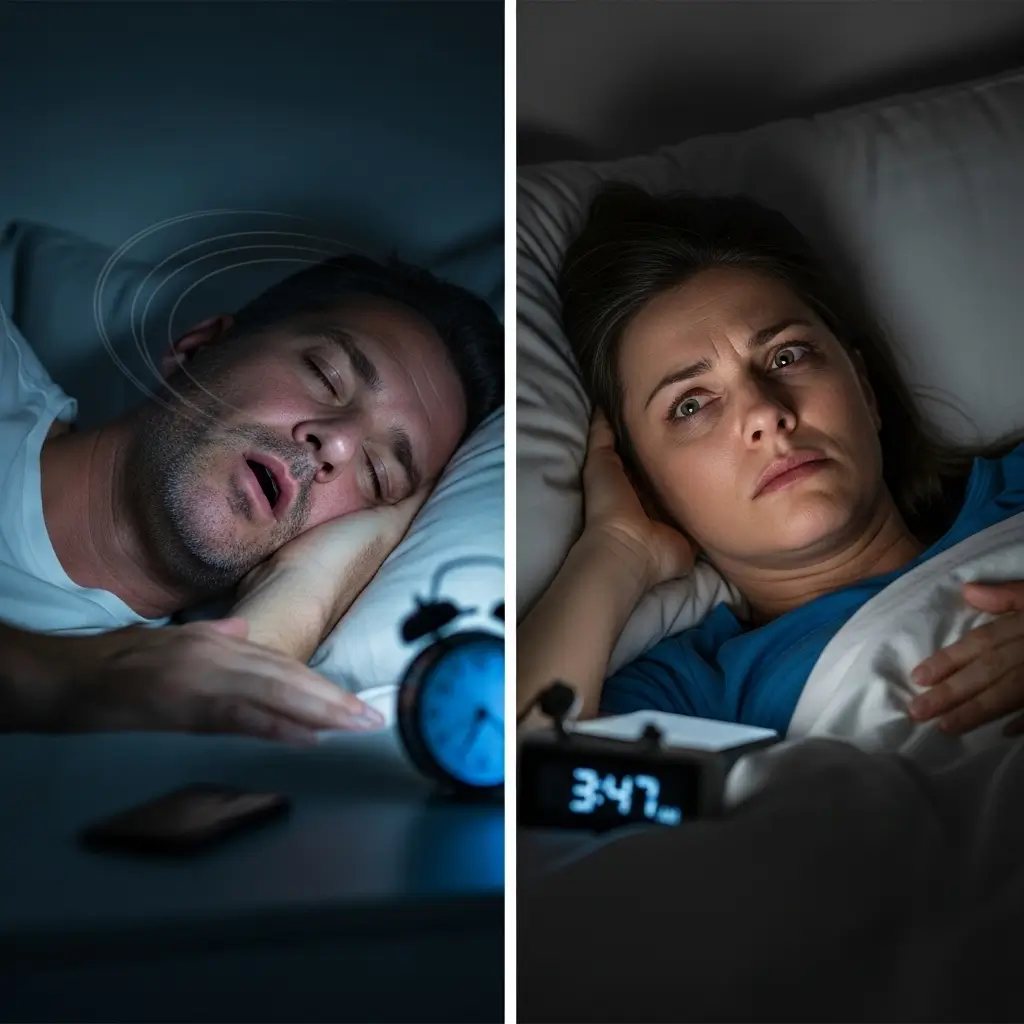
Does snoring affect sleep quality? This question may seem trivial to some, but for millions around the world, snoring is a major disruptor of sleep, impacting not just the snorer but their loved ones as well. Snoring is often seen as a simple inconvenience, but it can have far-reaching consequences for one’s overall health and well-being. In fact, studies show that about 45% of adults snore occasionally, and about 25% snore regularly. It’s a problem that spans cultures and age groups, affecting people of all walks of life.
The truth is that snoring does affect the quality of sleep in significant ways, both for the snorer and for their partner. If left unaddressed, it can lead to long-term consequences, including sleep deprivation, decreased cognitive function, and even increased risk of cardiovascular diseases. That’s why it’s essential to understand the underlying reasons behind snoring, how it impacts sleep, and what can be done to manage or eliminate it.
In this article, we’ll delve into what is the impact of snoring on sleep quality, examine the causes behind snoring, and explore effective treatments and remedies. We’ll also discuss how to prevent snoring and how to stop snoring in both men and women, as well as actionable tips for improving sleep.
What You’ll Learn in This Article:
- The link between snoring and sleep quality
- Causes of snoring and why it happens
- Proven remedies to stop snoring
- How to stop snoring in both men and women
- The health risks associated with snoring
Why Does Snoring Matter?

Snoring is often perceived as a minor nuisance, but for those who experience it or are affected by it, the consequences can be much more severe. Does snoring affect sleep quality? Yes, it does, and the impact goes beyond just the noise. Snoring is a common symptom of sleep apnea, a condition in which breathing repeatedly stops and starts during sleep. Sleep apnea leads to poor sleep quality, which in turn can contribute to a range of health issues.
For the snorer, poor sleep can result in daytime fatigue, difficulty concentrating, and irritability. Over time, chronic sleep deprivation can increase the risk of conditions like high blood pressure, heart disease, and even stroke. Additionally, snoring may prevent the snorer from reaching the deeper, restorative stages of sleep, which are essential for physical and mental recovery.
For the partner of a snorer, the effects can be equally detrimental. The constant noise can make it difficult for the non-snorer to fall asleep or stay asleep, leading to disrupted sleep cycles, irritability, and daytime fatigue. This can strain relationships, especially if one partner is not fully aware of the impact that snoring has on their loved one.
Snoring can also lead to significant social and emotional consequences, as it is often perceived as a personal flaw, leading to embarrassment or shame. This can discourage people from seeking treatment and further perpetuate the cycle of poor sleep.
What Are the Main Causes of Snoring? What are the reasons for snoring?
Snoring occurs when air passes through the relaxed tissues in the throat, causing them to vibrate. The sound produced by this vibration can range from a mild hum to a loud, disruptive noise. While occasional snoring is relatively harmless, chronic snoring can be a sign of an underlying health issue. Here are some common causes of snoring:
- Nasal Congestion or Blockages: Blocked nasal airways are one of the most common causes of snoring. Allergies, colds, or sinus infections can cause nasal congestion, forcing individuals to breathe through their mouths. This increases the likelihood of snoring.
- Relaxed Throat Muscles: When the throat muscles relax during sleep, they can collapse into the airway, causing an obstruction. This can lead to snoring, especially in individuals who are overweight, as excess fat around the neck can contribute to airway narrowing.
- Alcohol Consumption or Sedatives: Alcohol and sedatives relax the muscles in the throat, increasing the chances of snoring. These substances can also exacerbate conditions like sleep apnea, where breathing stops and starts throughout the night.
- Sleep Position: Sleeping on the back is a common cause of snoring. When you sleep on your back, your tongue can fall back into the throat, partially obstructing the airway and causing snoring. Side sleeping can help prevent this.
- Aging: As people age, the throat muscles and tissues tend to become weaker, increasing the likelihood of snoring. This is especially true for older adults, as muscle tone decreases with age.
- Obesity: Excess weight, particularly around the neck and throat, can put pressure on the airway, narrowing it and increasing the risk of snoring. Weight loss can significantly reduce or eliminate snoring for many individuals.
Remedies and Solutions for Snoring: How to Stop Snoring
How to stop snoring? Fortunately, there are several remedies available to reduce or eliminate snoring. The most effective treatment depends on the underlying cause of the snoring, but the following strategies can help improve sleep quality:

- Change Sleep Position: Sleeping on your side can help prevent snoring. When you sleep on your back, the tongue can fall back and block the airway. Special pillows are available to encourage side sleeping, which can reduce snoring.
- Lose Weight: Losing excess weight, especially around the neck and throat, can help reduce snoring. Even a small amount of weight loss can make a significant difference.
- Avoid Alcohol and Sedatives: Limiting alcohol consumption, particularly in the hours leading up to bedtime, can help reduce the relaxation of throat muscles that contribute to snoring.
- Use Nasal Strips or Decongestants: If nasal congestion is the culprit, nasal strips can help open up the nasal passages, improving airflow and reducing snoring. Nasal decongestants can also alleviate congestion and improve breathing.
- Try CPAP (Continuous Positive Airway Pressure): If your snoring is caused by sleep apnea, a CPAP machine can help keep your airway open by delivering a continuous flow of air. This treatment is typically recommended for people with severe snoring or diagnosed sleep apnea.
- Practice Good Sleep Hygiene: Ensure you get enough sleep and maintain a consistent sleep schedule. Poor sleep hygiene can exacerbate snoring and other sleep-related problems.
How to Stop Snoring in Women and Men: Specific Tips
Snoring is not gender-specific, but there are some differences in the way snoring manifests in men and women. Men are more likely to snore due to anatomical differences, such as a wider airway, but both men and women can benefit from similar remedies.
How to Stop Snoring in Men:

Men tend to have more snoring problems due to a wider airway and a higher likelihood of being overweight. Men can benefit from the same remedies mentioned above, including losing weight, avoiding alcohol, and changing sleep positions. For men, ensuring the right pillow and mattress for side sleeping is crucial to reducing snoring.
How to Stop Snoring in Women:
Women are more likely to snore after menopause due to hormonal changes that affect the airway muscles. For women, using a humidifier to keep the airways moist, practicing breathing exercises, and avoiding alcohol or sedatives before bed can be especially helpful in reducing snoring.
The Impact of Snoring on Health and Relationships
The effects of chronic snoring go beyond just disturbed sleep. When snoring is linked to conditions like sleep apnea, it can have serious consequences for health. Untreated sleep apnea can increase the risk of high blood pressure, heart disease, and stroke. Additionally, the constant disruption of sleep can lead to chronic fatigue, poor cognitive function, and irritability.
For couples, snoring can also strain relationships. The constant noise can lead to disrupted sleep for both the snorer and their partner, leading to feelings of frustration, resentment, and emotional disconnect.
FAQ: Common Questions About Snoring
What are the main reasons for snoring?
The main reasons for snoring include nasal congestion, relaxed throat muscles, alcohol consumption, and poor sleep position. Snoring is often a combination of these factors.
Can snoring be cured?
While there is no permanent cure for snoring, various remedies such as changing sleep position, losing weight, and using nasal strips can significantly reduce or eliminate snoring.
How can I stop snoring naturally?
You can stop snoring naturally by sleeping on your side, losing weight, avoiding alcohol, and using nasal decongestants if needed.
Is snoring dangerous?
Chronic snoring, especially when associated with sleep apnea, can be dangerous and lead to serious health problems, including heart disease and stroke.
Can snoring affect my partner?
Yes, snoring can disrupt your partner’s sleep, leading to relationship issues and sleep deprivation for both individuals.
Conclusion
Does snoring affect sleep quality? Yes, it does, and the consequences go beyond the noise. Snoring disrupts not only the snorer’s sleep but also their partner’s rest. Understanding the reasons behind snoring and seeking appropriate treatment can greatly improve sleep quality and overall health. Whether you’re dealing with snoring caused by nasal congestion, obesity, or sleep apnea, there are effective solutions available to help you achieve better sleep.
If you or a loved one struggles with snoring, try implementing these tips today for improved sleep and better health. Remember, quality sleep is essential for well-being, and addressing snoring can be the first step toward healthier, more restorative rest.
Try these remedies today and subscribe to NobleVitalCare for more health and wellness tips.