


Introduction
Did you know that your gut contains trillions of bacteria that influence digestion, immunity, mood, and even weight? Many people focus on diet and exercise, but overlook one critical factor: how to have healthy gut bacteria. A balanced gut microbiome is one of the most important foundations of long-term health and wellness.
Modern lifestyles in the United States and globally have significantly impacted gut health. Highly processed foods, stress, antibiotics, and poor sleep can disrupt the balance of good and bad bacteria in your digestive system. When this balance is disturbed, it can lead to bloating, fatigue, low immunity, and even mental health challenges.
As a wellness-focused platform, NobleVitalCare.com emphasizes preventive healthcare and holistic living. Through years of research and practical wellness experience, we have seen that improving gut health often transforms overall well-being. When your gut bacteria are balanced, your body functions more efficiently, and energy levels improve.
In this guide, you will learn:
- How to have healthy gut bacteria naturally
- What is good for gut health
- The gut-brain connection explained
- Best foods for gut health
- Science-backed ways to improve digestion and immunity
Whether you live in the USA or anywhere globally, these evidence-based tips will help you build a healthier gut and a stronger body.
Quick Overview: What Is Gut Health and Why Is It Important?
Gut health refers to the balance of microorganisms living in your digestive tract. These microorganisms, known as gut bacteria or microbiota, help break down food, absorb nutrients, and protect against harmful pathogens.
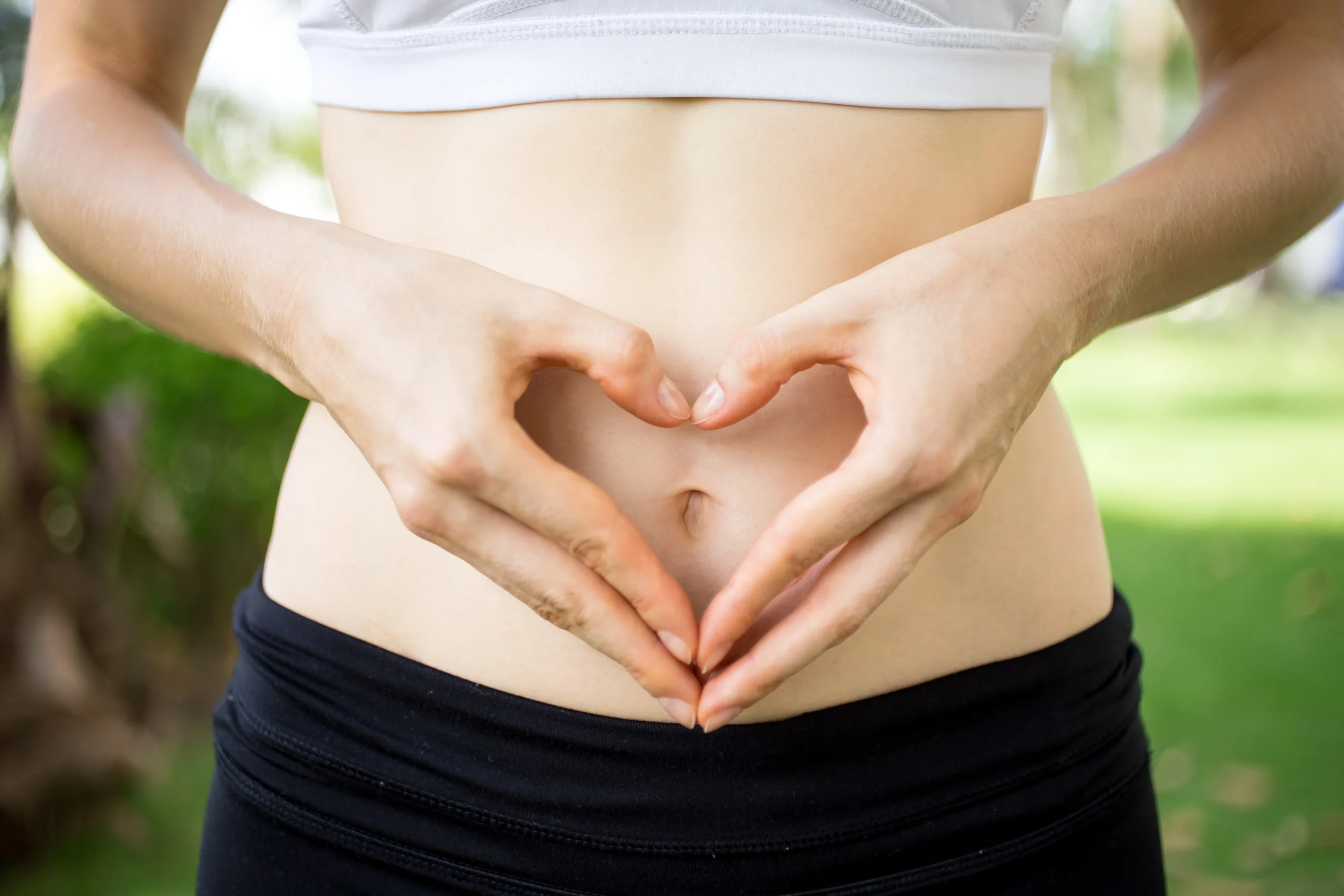
When your gut bacteria are balanced:
- Digestion improves
- Immunity strengthens
- Energy levels increase
- Mental clarity improves
When gut bacteria are imbalanced:
- Bloating and gas increase
- Immunity weakens
- Inflammation rises
- Mood disorders may appear
Understanding how to have healthy gut bacteria is essential for preventing chronic disease and maintaining long-term vitality.
Why You Should Trust Noble Vital Care
At NobleVitalCare.com, we provide research-based health and wellness content inspired by trusted organizations such as the World Health Organization (WHO), National Institutes of Health (NIH), and peer-reviewed clinical studies. Our mission is to simplify complex health information into practical steps you can apply in daily life.
We focus on preventive healthcare, natural remedies, nutrition, and holistic wellness strategies designed for modern lifestyles. Our content is created to empower readers aged 25–55 to take control of their health through sustainable habits and informed choices.
Why Gut Health Matters More Than Ever
Gut health has become one of the most researched health topics globally. According to the National Institutes of Health, the gut microbiome plays a critical role in digestion, immune function, inflammation control, and mental health.
In the United States, digestive issues affect millions of adults each year. Diets high in processed foods and sugar can disrupt gut bacteria, leading to inflammation and chronic health problems.
Key Reasons Gut Health Is Important
- Supports a strong immune system
- Improves digestion and nutrient absorption
- Regulates mood and mental health
- Reduces inflammation
- Supports weight management
- Promotes healthy aging
Focusing on how to have healthy gut bacteria can significantly improve both short-term well-being and long-term health outcomes.
The Gut-Brain Connection Explained
One of the most fascinating discoveries in modern health science is the gut-brain connection. Your gut and brain constantly communicate through the nervous system, hormones, and immune pathways.
This means your gut health directly affects:
- Mood and emotional balance
- Stress levels
- Focus and memory
- Sleep quality
When gut bacteria are balanced, they produce beneficial compounds that support brain health. When imbalanced, they can contribute to anxiety, fatigue, and poor concentration.
Many wellness experts now refer to the gut as the “second brain” because of its powerful influence on mental and emotional well-being.
Signs Your Gut Bacteria May Be Unhealthy
Recognizing early signs of imbalance helps you take action quickly.
Common Signs:
- Frequent bloating or gas
- Constipation or diarrhea
- Sugar cravings
- Low energy
- Skin problems
- Frequent illness
- Mood swings
If you experience several of these symptoms regularly, improving gut health should become a priority.
How to Have Healthy Gut Bacteria Naturally
If you are wondering how to have healthy gut bacteria, the answer lies in consistent lifestyle habits rather than quick fixes. A balanced gut microbiome develops through daily food choices, stress management, and healthy routines.

Here is a practical, science-backed step-by-step guide you can start today.
Step 1: Eat More Fiber-Rich Foods
Fiber feeds the good bacteria in your gut. Without enough fiber, beneficial bacteria struggle to survive.
Add these daily:
- Oats
- Whole grains
- Beans and lentils
- Apples
- Berries
- Broccoli
- Spinach
In the United States, most adults consume less than half the recommended daily fiber intake. Increasing fiber is one of the best things for gut health.
Step 2: Include Probiotic Foods
Probiotics contain live beneficial bacteria that support gut balance.
Best probiotic foods:
- Yogurt with live cultures
- Kefir
- Sauerkraut
- Kimchi
- Miso
- Kombucha
These foods help restore healthy bacteria and improve digestion.
Step 3: Reduce Sugar and Processed Foods
High sugar intake feeds harmful bacteria and yeast in the gut.
Limit:
- Sugary drinks
- Fast food
- Packaged snacks
- Artificial sweeteners
Replacing processed foods with whole foods is one of the best things for gut health.
Step 4: Stay Hydrated
Water supports digestion and helps maintain the gut lining.
Aim for:
- 8–10 glasses of water daily
- Herbal teas
- Lemon water
Hydration helps beneficial bacteria thrive.
Step 5: Manage Stress Levels
Chronic stress negatively impacts gut bacteria.
Daily stress-management habits:
- Meditation
- Deep breathing
- Walking outdoors
- Yoga
- Journaling
Reducing stress improves both gut health and mental clarity.
Step 6: Get Enough Sleep
Sleep plays a major role in maintaining healthy gut bacteria.
Healthy sleep habits:
- 7–9 hours nightly
- Consistent sleep schedule
- Limit screen time before bed
Quality sleep allows gut bacteria to reset and repair.
What Is Good for Gut Health?
Many readers ask, what is good for gut health in everyday life. The answer combines nutrition, lifestyle, and consistency.

Daily Habits for Strong Gut Health
- Eat whole, natural foods
- Include fermented foods
- Exercise regularly
- Sleep well
- Reduce alcohol intake
- Avoid unnecessary antibiotics
Even small improvements can create noticeable changes in digestion and energy.
Best Foods for Gut Health
Nutrition is the foundation of a healthy gut. Certain foods directly support beneficial bacteria.
Top Foods for Gut Health
Fruits
- Bananas
- Apples
- Berries
- Oranges
Vegetables
- Garlic
- Onions
- Asparagus
- Leafy greens
Whole foods
- Yogurt
- Oats
- Brown rice
- Almonds
- Chia seeds
These foods provide fiber, prebiotics, and probiotics that help maintain balance in the digestive system.
The Gut-Brain Connection and Mental Health
The gut-brain connection explains why digestive health affects mood and mental clarity.
Gut bacteria produce neurotransmitters like serotonin, which influence mood and emotional balance. When gut bacteria are healthy, people often experience:
- Better mood
- Reduced anxiety
- Improved focus
- Better sleep
Poor gut health can contribute to stress, irritability, and low energy. Supporting gut bacteria supports mental well-being.
Science-Backed Remedies for Gut Health
| Remedy | Benefits | Suggested Intake | Sources |
|---|---|---|---|
| Probiotics | Restore healthy bacteria | Daily | Yogurt, kefir |
| Prebiotics | Feed good bacteria | Daily | Garlic, onions |
| Fiber | Supports digestion | 25–35g/day | Fruits, grains |
| Omega-3 | Reduces inflammation | 1–2g/day | Fish, flaxseed |
| Ginger | Supports digestion | Small daily | Fresh ginger |
Always consult a healthcare professional before starting supplements.
USA Lifestyle Tips for Better Gut Health
Modern American lifestyles often include fast food, stress, and irregular sleep. These habits harm gut bacteria.
Simple changes:
- Cook more meals at home
- Walk daily
- Reduce sugary drinks
- Eat more whole foods
- Practice mindful eating
Small, consistent changes bring long-term results.
Frequently Asked Questions About Gut Health
How to have healthy gut bacteria naturally?
To maintain healthy gut bacteria, eat fiber-rich foods, include probiotics like yogurt and kefir, reduce sugar intake, manage stress, and sleep 7–9 hours daily. Consistency is key to building a balanced gut microbiome.
What is good for gut health daily?
Whole foods, fermented foods, hydration, exercise, and stress management are essential for daily gut health. Avoid processed foods and excess sugar to maintain balance.
What are the best foods for gut health?
The best foods for gut health include yogurt, kefir, oats, bananas, leafy greens, berries, garlic, onions, and whole grains. These provide probiotics, prebiotics, and fiber.
How does the gut-brain connection work?
The gut and brain communicate through nerves and hormones. Healthy gut bacteria support mood, focus, and sleep, while poor gut health can increase anxiety and fatigue.
How long does it take to improve gut health?
Most people notice improvement in digestion and energy within 2–4 weeks of consistent healthy habits, though full restoration may take longer depending on lifestyle.
Can poor gut health affect immunity?
Yes. Nearly 70 percent of the immune system is located in the gut. Healthy gut bacteria strengthen the immune response and reduce inflammation.
What is the best thing for gut health overall?
A balanced diet rich in fiber and probiotics, regular exercise, good sleep, and stress management together create the best environment for healthy gut bacteria.
Conclusion
Understanding how to have healthy gut bacteria is one of the most powerful steps you can take for long-term wellness. Your gut influences digestion, immunity, mental health, and overall energy. When your gut bacteria are balanced, your body functions more efficiently, and you feel healthier every day.
Modern lifestyles in the USA and globally often disrupt gut health through processed foods, stress, and poor sleep. However, simple changes such as eating fiber-rich foods, adding probiotics, staying hydrated, and managing stress can restore balance naturally.
Start small. Add one gut-friendly habit each day and stay consistent. Over time, these changes can transform your digestion, mood, and overall health.
For more science-backed wellness guidance, preventive health tips, and natural remedies, keep following NobleVitalCare and take control of your health journey today.