

Introduction
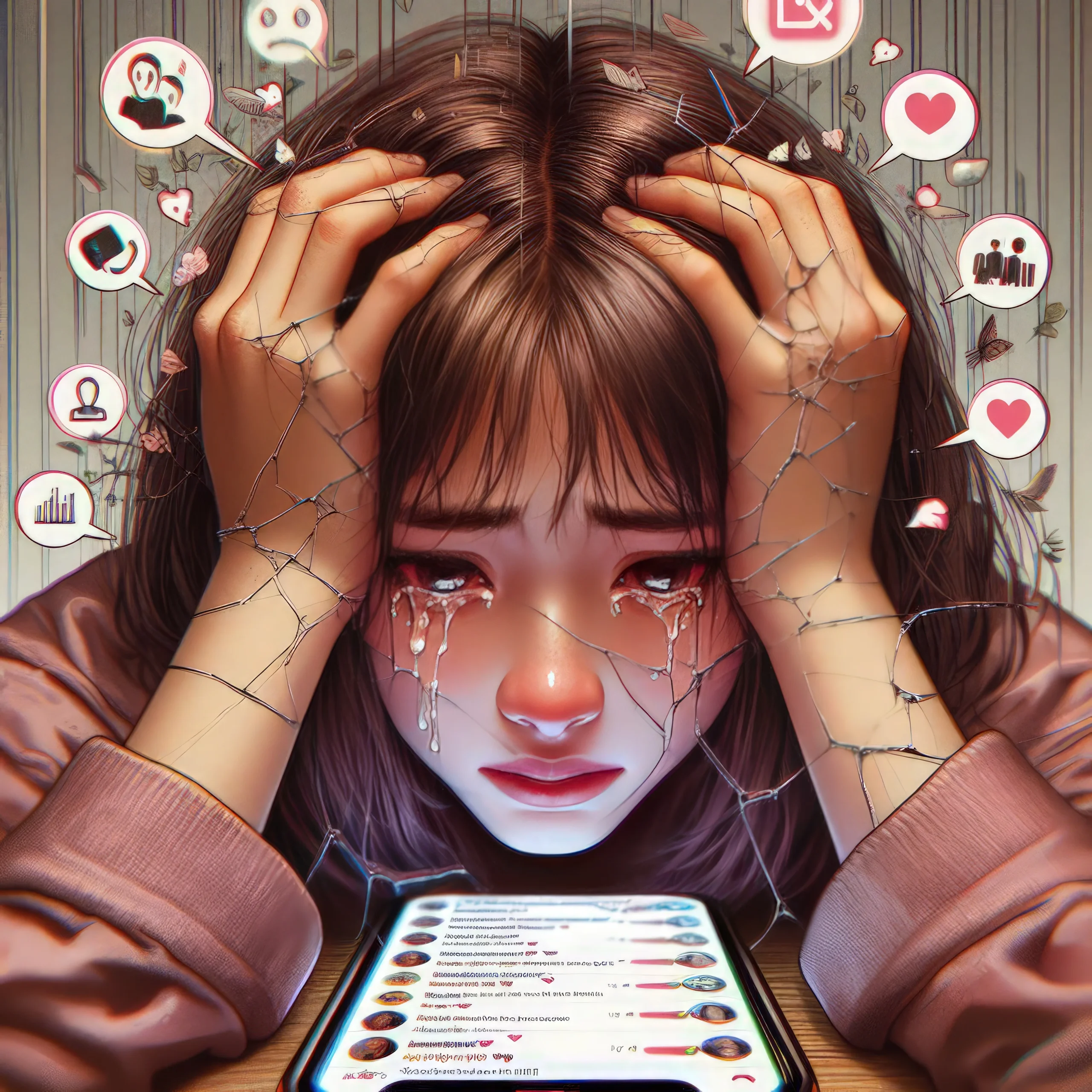
Have you ever typed a seemingly innocent health question into Google, only to find yourself spiraling into a panic? You type “headache and dizziness” or “rash on my skin,” and suddenly, you’re convinced you have a serious disease. Welcome to the world of health anxiety in the age of viral news and social media. If you’ve ever experienced the panic of reading symptoms online, thinking, “I googled my symptoms and now I’m terrified,” you’re not alone.
With the internet offering a vast, unfiltered stream of medical information, it’s easy to see why health anxiety is on the rise. In a world where social media amplifies fear and misinformation, even the slightest physical discomfort can send someone into a full-blown panic. But what exactly is health anxiety, how does it affect us, and most importantly, how can we stop health anxiety from taking over our lives?
This blog will explore the causes of health anxiety, explain the symptoms of cyberchondria, and offer step-by-step strategies to manage health anxiety recovery. We’ll also look at the differences between somatic symptom disorder vs health anxiety and how both conditions are impacted by the overload of health information online.
Why Health Anxiety Matters in the Age of Viral News
Health anxiety has become a growing concern, especially with the constant flow of medical news and viral health updates on social media platforms. Many people who experience health anxiety find themselves thinking, “I googled my symptoms and now I’m terrified”. According to the World Health Organization (WHO), anxiety disorders affect about 264 million people globally. Of these, health anxiety, also known as cyberchondria, is becoming more common.
The Rising Trend of Health Anxiety
In the past decade, more people have been increasingly googling their symptoms to understand what’s happening in their bodies. The convenience of online health searches combined with the constant exposure to medical advice, health tips, and worst-case scenarios has created an environment ripe for health anxiety. One study from the National Institutes of Health (NIH) found that nearly 50% of people with health anxiety are more likely to turn to the internet for health information, which often worsens their anxiety.
This constant quest for self-diagnosis through online searches can lead to a cycle of worry, where each symptom is magnified, and minor issues feel like life-threatening conditions. The fact that Google, WebMD, and other online resources can offer so many possibilities only adds fuel to the fire.
What is Cyberchondria? Symptoms and Causes
Cyberchondria is a term coined to describe the act of excessively searching for health-related information online, often leading to heightened anxiety and belief in exaggerated or inaccurate health concerns. When you Google your symptoms, and now you’re terrified, you’re likely experiencing this phenomenon.

Common Symptoms of Cyberchondria
- Frequent online health searches: Constantly checking symptoms or medical conditions.
- Overestimating the severity of symptoms: Believing mild or temporary symptoms are serious or life-threatening.
- Excessive worry: Feeling anxious about illnesses even when a doctor has reassured you.
- Avoiding medical visits: Despite intense anxiety, you may avoid seeing a doctor, preferring to search online instead.
The affect of climate change on health and viral outbreaks (e.g., COVID-19, flu seasons) have made health searches even more prevalent. People are more likely to fear infections and conditions that are being widely discussed.
Somatic Symptom Disorder vs Health Anxiety: Understanding the Difference
While somatic symptom disorder (SSD) and health anxiety may seem similar, there are key differences. Understanding these differences is crucial in managing both conditions.
Somatic Symptom Disorder (SSD)
SSD is a mental health condition characterized by intense focus on physical symptoms that may or may not be explained by a medical condition. Individuals with SSD experience pain, discomfort, or fatigue, often believing their symptoms indicate a serious illness.
Health Anxiety (Hypochondria)
On the other hand, health anxiety or hypochondria is primarily focused on the fear of having a serious illness, even when there is little to no evidence of it. While SSD focuses on the physical symptoms, health anxiety revolves around the fear and worry about potential illnesses.
Key Differences:
- SSD involves the actual experience of symptoms, which can range from mild to severe.
- Health anxiety is driven by the fear of having an illness, often after researching symptoms online.
Both conditions can lead to reduced quality of life, but recognizing the differences is key to health anxiety recovery and finding the appropriate treatment.
How to Stop Health Anxiety: Step-by-Step Guide
If you find yourself frequently googling symptoms and spiraling into panic, it’s time to take proactive steps to stop health anxiety. Here’s a step-by-step guide to help you regain control over your health and well-being:
Step 1: Recognize the Pattern
Understanding that health anxiety is self-perpetuating is the first step. When you Google symptoms and convince yourself of a worst-case scenario, it creates a vicious cycle. Recognize the symptoms of health anxiety, and understand that your fears may not be based on reality.
Step 2: Limit Online Searches
Set boundaries for yourself when it comes to searching for medical information. Limit your health searches to trusted medical websites (e.g., Mayo Clinic, CDC) and avoid the temptation to search for every symptom. Seek information from a healthcare provider instead of the internet.
Step 3: Practice Mindfulness
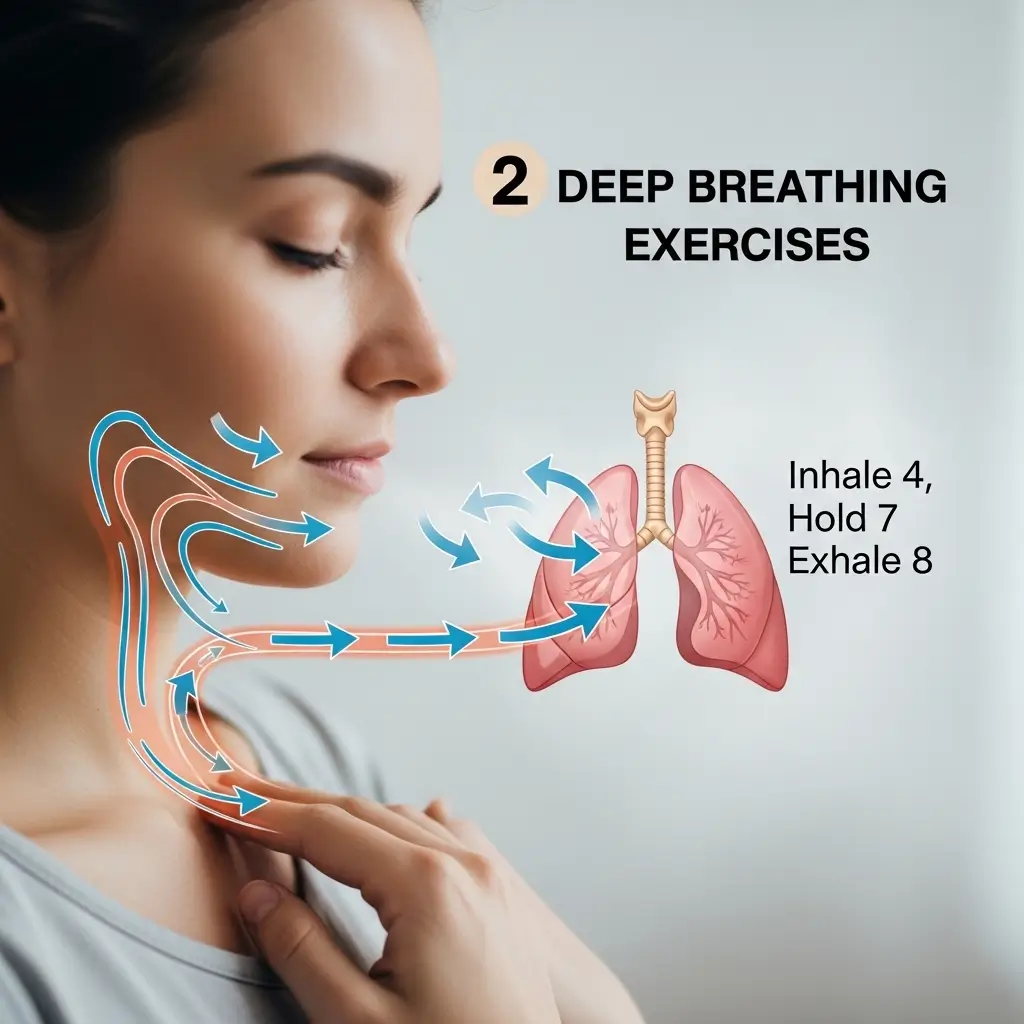
Mindfulness techniques can help you stay grounded and focus on the present moment, reducing the intensity of health-related worries. Techniques like deep breathing, meditation, or yoga can significantly lower your anxiety levels.
Step 4: Seek Professional Help
If your health anxiety is affecting your daily life, consider seeking professional help. Cognitive Behavioral Therapy (CBT) is highly effective in treating health anxiety. CBT helps you identify negative thought patterns and replace them with healthier, more balanced thinking.
Step 5: Create Healthy Habits
Maintaining a healthy lifestyle through exercise, a balanced diet, adequate sleep, and social support can strengthen your body’s defenses, which in turn helps reduce anxiety. Physical well-being contributes to mental health, and a strong immune system can help reassure you that your body is healthy.
Cyberchondria Recovery: How to Take Control of Your Health
While recovery from cyberchondria may take time, it is possible to manage the condition effectively with the right strategies. Here are some tips for health anxiety recovery:
- Establish clear medical routines: Have regular checkups with your healthcare provider, so you don’t feel the need to search online.
- Disengage from social media health discussions: Social media often amplifies fears. Limit your exposure to health-related posts or panic-driven stories.
- Take breaks from health news: Constant exposure to viral outbreaks and health updates can fuel anxiety. Take regular breaks from the news.
Health Anxiety and Its Impact: Is It a Real Condition?
Yes, health anxiety is a real condition. According to the American Psychiatric Association, it is recognized in the DSM-5 under the category of anxiety disorders. This highlights that it’s not merely a temporary phase but a condition that needs proper treatment and care.
The affect of climate change on health, along with increased global health risks, has made health anxiety more prevalent. People are more aware of health risks, which heightens their fears about personal health and medical conditions.
Comparison of Remedies for Health Anxiety
| Remedy | Benefits | Dosage | Sources |
|---|---|---|---|
| Cognitive Behavioral Therapy (CBT) | Helps reframe anxious thoughts and behaviors | Weekly sessions for 8-12 weeks | PubMed, NIH |
| Mindfulness Meditation | Reduces stress and anxiety | 10-15 minutes daily | CDC, NIH |
| Physical Activity | Boosts mood and reduces anxiety | 30 minutes 3-5 times/week | Mayo Clinic, Harvard |
| Limited Screen Time | Reduces exposure to fear-inducing content | 1 hour/day limit | WHO, NIH |
| Sleep Hygiene | Improves mental clarity and mood | 7-9 hours per night | CDC, National Sleep Foundation |
Frequently Asked Questions
What is health anxiety?
Health anxiety, also known as hypochondria, is the constant fear or belief that you have a serious illness, even when medical tests and symptoms suggest otherwise.
How can I stop googling my symptoms?
Limit your online searches, and seek professional help from a healthcare provider instead. Recognize the anxiety cycle and practice mindfulness.
Is cyberchondria a real condition?
Yes, cyberchondria is a recognized form of health anxiety where individuals search for health information online excessively, leading to heightened fear and panic.
What’s the difference between somatic symptom disorder and health anxiety?
Somatic symptom disorder involves physical symptoms, while health anxiety centers around the fear of illness without significant physical evidence.
Can mindfulness help with health anxiety?
Yes, mindfulness practices like meditation and breathing exercises can help reduce the physiological symptoms of anxiety and bring your focus back to the present.
Conclusion
In today’s digital age, it’s easy to fall into the trap of googling symptoms and spiraling into health anxiety. However, understanding how to stop health anxiety, recognizing cyberchondria symptoms, and learning the right health anxiety recovery techniques can help you take back control. With practical strategies, mindfulness, and professional support, you can break free from the grip of health anxiety.
Try these today — and subscribe for more expert health tips to stay calm, informed, and healthy!