


Introduction:
As technology becomes an integral part of everyday life, screen time has become a significant concern for parents. Whether it’s for educational purposes, entertainment, or social interaction, children today are spending more time in front of screens than ever before. But how does Screen Time Effects On Children in terms of their health, development, and well-being? In this post, we’ll explore the effects of screen time on children, the potential risks, benefits, and tips for parents on managing screen time in a healthy and balanced way.
Understanding Screen Time: What It Means for Children
Screen time Effects On Children refers to the time children spend interacting with devices that have a screen. This includes smartphones, tablets, computers, video game consoles, and televisions. With the rise of digital learning and entertainment, screen time has become an unavoidable part of daily life for children, but how much is too much?
Types of Screen Time
- Passive Screen Time: This includes activities such as watching TV or browsing social media, where children are not actively engaging with the content.
- Active Screen Time: Activities like video games, video chatting, and educational apps where children interact and engage with the screen.
Both types of screen time can have different impacts on children, and parents need to understand how each affects their development.
The Physical and Mental Health Effects of Screen Time on Children
1. Impact on Physical Health
Extended screen time can have a variety of negative effects on children’s physical health. These include:
Eye Strain and Sleep Disruption
Eye Strain: Staring at screens for prolonged periods can cause digital eye strain, resulting in discomfort such as headaches, dry eyes, and blurred vision. Screen time Effects On Children can also lead to sleep disruption. Excessive screen time, especially before bed, can interfere with sleep patterns. The blue light emitted from screens disrupts the production of melatonin, a hormone that regulates sleep, leading to difficulty falling asleep and poorer sleep quality.
Reduced Physical Activity
- Sedentary Lifestyle: Long hours spent on screens often lead to a sedentary lifestyle, where children are less likely to engage in physical activities. This can contribute to obesity and related health problems like heart disease and diabetes.
Posture Issues
- Poor Posture: Prolonged screen time can result in poor posture, with children hunching over devices, leading to neck, back, and shoulder pain.
2. Impact on Mental Health and Development
While some screen time can offer educational benefits, excessive use can affect children’s mental health and cognitive development.
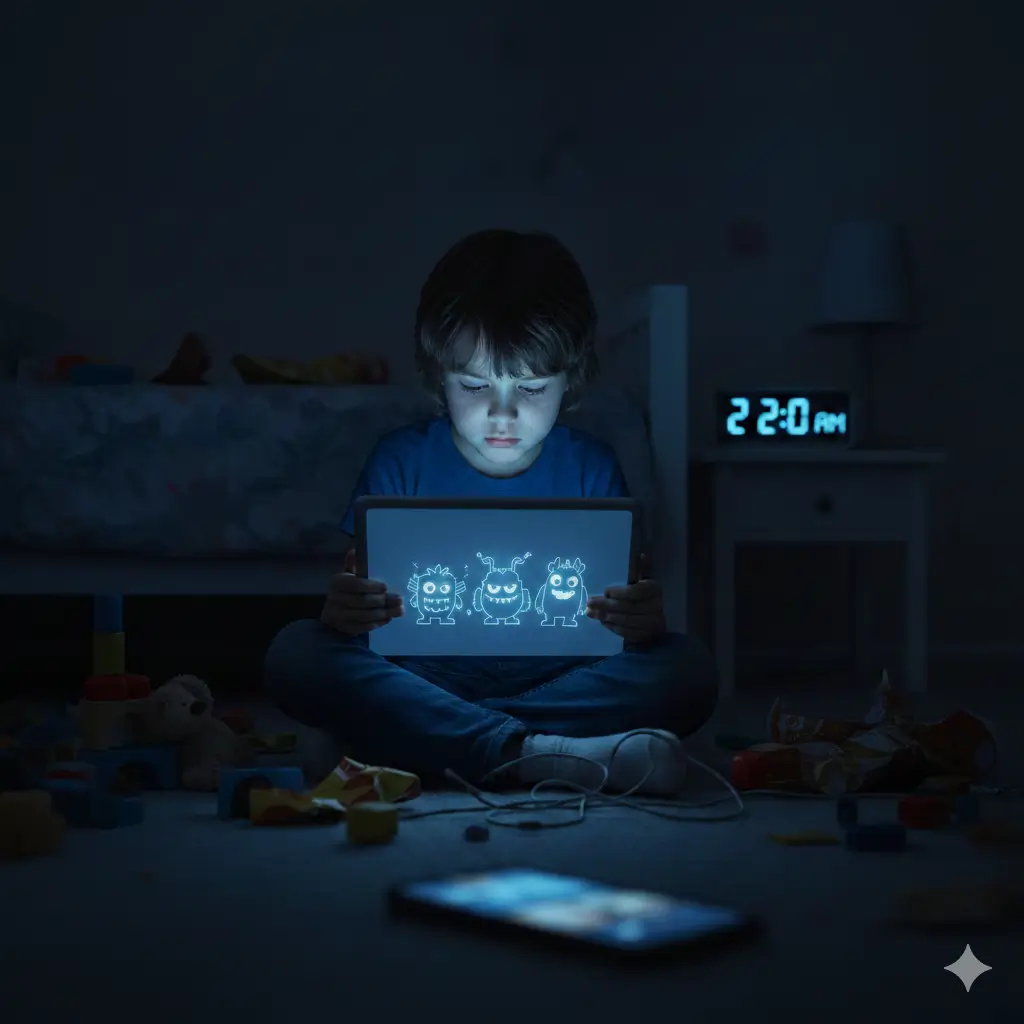
Increased Risk of Anxiety and Depression
- Social Comparison: Social media and online interactions can create a space for unhealthy social comparison. Children may feel pressured to meet unrealistic beauty standards or seek validation, which can contribute to feelings of anxiety and depression.
- Isolation: Excessive screen time may replace in-person social interactions, leading to emotional isolation. Human connections are vital for developing social and emotional skills and too much time online can deprive children of these experiences.
Difficulty Focusing
- Attention Issues: Constant exposure to fast-paced, overstimulating content can make it difficult for children to focus on slower, more demanding tasks like schoolwork or reading. Studies have shown that children who spend too much time on screens may struggle with attention span and impulse control.
Delayed Cognitive Development
- Limited Cognitive Stimulation: While educational apps and games can be beneficial, excessive screen time can limit cognitive stimulation from real-world experiences, like reading, playing outdoors, or engaging in hands-on activities. These activities are critical for developing problem-solving, creativity, and language skills.
Benefits of Screen Time for Children
While there are many concerns about screen time, it’s important to note that not all screen time is harmful. In fact, when managed properly, screen time can offer valuable benefits for children.
1. Educational Content and Learning
- Access to Knowledge: Educational apps, videos, and interactive learning platforms provide children with access to a vast amount of information. Screen time, when used for educational purposes, can enhance learning and help children develop new skills, from math and science to art and language.
- Distance Learning: In today’s world, online classes and e-learning platforms have become vital tools for education, especially during events like the COVID-19 pandemic. These resources help children continue their education when they can’t attend school in person.
2. Social Interaction and Communication
- Staying Connected: Screens also provide opportunities for children to connect with family and friends, especially when they are geographically distant. Video calls and online games enable children to maintain social connections and develop communication skills.
- Building Social Skills: Multiplayer games and online communities can help children learn teamwork, cooperation, and how to navigate social situations in a digital environment.
How to Manage Screen Time for Children: Tips for Parents
The key to ensuring that screen time is beneficial rather than harmful is moderation and management. Here are some tips for parents on how to manage screen time effectively:

1. Set Time Limits
- Establish Daily Screen Time Limits: The American Academy of Pediatrics recommends that children aged 2 to 5 should have no more than one hour of screen time per day, and children aged 6 and older should have consistent limits on the amount of screen time each day. These guidelines can help prevent excessive use while ensuring children benefit from educational content.
- Screen time Effects On Children can be managed with the help of screen time management tools. Many devices and apps offer tools that help parents set limits on screen time and monitor usage. These tools can be a great way to keep track of how much time your child spends on screens.
2. Encourage Active Screen Time
- Choose Interactive Activities: Encourage children to use screens for interactive activities like learning apps, online games that require critical thinking, and creative activities like drawing or coding. This helps children engage with content rather than passively consume it.
3. Create Screen-Free Zones
- Designate Screen-Free Areas: Establish areas in the home where screens are not allowed, such as the dining table or bedrooms. This encourages children to focus on other activities, like eating meals together or getting enough sleep.
4. Be a Role Model
- Set a Good Example: Children often mimic the behavior of their parents. If they see you using screens excessively, they may be more likely to do the same. Be mindful of your own screen time and show children how to balance it with other important activities.
5. Encourage Outdoor Play and Physical Activities
- Balance Screen Time with Physical Activity: Encourage children to spend time outside, whether it’s playing sports, going for walks, or just enjoying nature. This not only helps counteract the physical effects of too much screen time but also fosters creativity, social skills, and overall well-being.
Conclusion: Finding Balance for Healthy Screen Time
While it’s clear that excessive screen time can have negative effects on children’s physical and mental health, it’s also important to recognize the positive potential of screen time when used in moderation. The key is to find a balance, ensuring that children benefit from the educational and social aspects of screens while also encouraging other activities that promote their health and development. Screen time Effects On Children can be managed by setting limits, being mindful of content, and fostering healthy habits. Parents can help children use screen time in a way that supports their growth and well being.
Call to Action: How do you manage screen time in your household? Share your strategies and tips in the comments below, and don’t forget to explore our other articles on parenting and child development.