

Introduction
Your gut does more than digest food. It controls immunity, energy, mood, and overall wellness. Yet many people unknowingly eat the worst foods for gut health every single day. These foods silently damage beneficial bacteria, trigger inflammation, and weaken digestion over time.
In the United States and globally, digestive problems such as bloating, acidity, constipation, and fatigue are rising rapidly. According to the National Institutes of Health (NIH), poor gut health is linked to chronic inflammation, obesity, weakened immunity, and even mental health issues. Many of these problems stem from modern diets filled with processed foods, excess sugar, and artificial ingredients.
Understanding the worst foods for gut health is the first step toward protecting your gut microbiome and improving long-term health. When harmful foods dominate your diet, they disrupt the balance between good and bad bacteria in your digestive system. Over time, this imbalance can lead to inflammation, poor nutrient absorption, and chronic disease.
In this comprehensive guide, you will learn:
- Worst foods for gut health and digestion
- Foods that damage gut health and microbiome
- Gut-damaging foods to avoid daily
- How processed foods and sugar affect gut bacteria
- Practical tips to protect and heal your gut
If you want better digestion, stronger immunity, and higher energy, it starts with avoiding foods that damage your gut.
Why You Should Trust Noble Vital Care
At NobleVitalCare.com, we focus on preventive healthcare, holistic wellness, and evidence-based nutrition. Our content is built on research from trusted sources such as the World Health Organization (WHO), the National Institutes of Health (NIH), and peer-reviewed studies.
Our mission is simple: help health-conscious adults make smarter lifestyle and nutrition choices that improve long-term wellness. Every article is designed to provide practical, science-backed advice you can apply in real life.
Why Gut Health Matters More Than Ever
Your gut contains trillions of bacteria that influence digestion, immunity, and mental health. When these bacteria are balanced, your body functions efficiently. When they are damaged, health problems begin.
According to the World Health Organization, chronic digestive and inflammatory conditions are increasing globally due to poor diet and lifestyle habits. Research shows that consuming the worst foods for gut health regularly can disrupt gut bacteria and increase inflammation.
Key Reasons Gut Health Matters
- Supports immune system strength
- Improves digestion and nutrient absorption
- Controls inflammation
- Influences mood and mental clarity
- Supports weight management
- Reduces risk of chronic disease
Avoiding foods bad for digestion is one of the most effective ways to maintain a healthy gut microbiome.
How Foods Damage Your Gut Microbiome
The gut microbiome is a delicate ecosystem of beneficial bacteria. Certain foods feed healthy bacteria, while others destroy them.

When You Eat Gut-Damaging Foods:
- Harmful bacteria multiply
- Good bacteria decrease
- Inflammation increases
- Digestive lining weakens
- Nutrient absorption declines
Over time, this imbalance leads to bloating, fatigue, weakened immunity, and chronic digestive discomfort.
Understanding foods that damage gut health helps you make smarter daily choices.
Signs Your Diet Is Damaging Your Gut
You may be eating gut-damaging foods without realizing it. Watch for these warning signs:
- Frequent bloating
- Gas and indigestion
- Constipation or diarrhea
- Low energy
- Skin issues
- Sugar cravings
- Weak immunity
If these symptoms are common, your diet may include the worst foods for gut microbiome health.
The Link Between Diet, Inflammation, and Gut Health
Many inflammatory foods that gut health experts warn about are common in modern diets. Highly processed foods, refined sugar, and artificial additives trigger inflammation in the digestive tract.
Chronic inflammation damages the gut lining and disrupts beneficial bacteria. This condition can lead to long-term digestive and metabolic problems.
By identifying and avoiding gut-damaging foods, you can significantly improve digestion and overall wellness.
Top 10 Worst Foods for Gut Health
Understanding the worst foods for gut health helps you protect your digestive system and microbiome. Many everyday foods common in modern American diets can damage beneficial gut bacteria and increase inflammation.
1. Highly Processed Foods
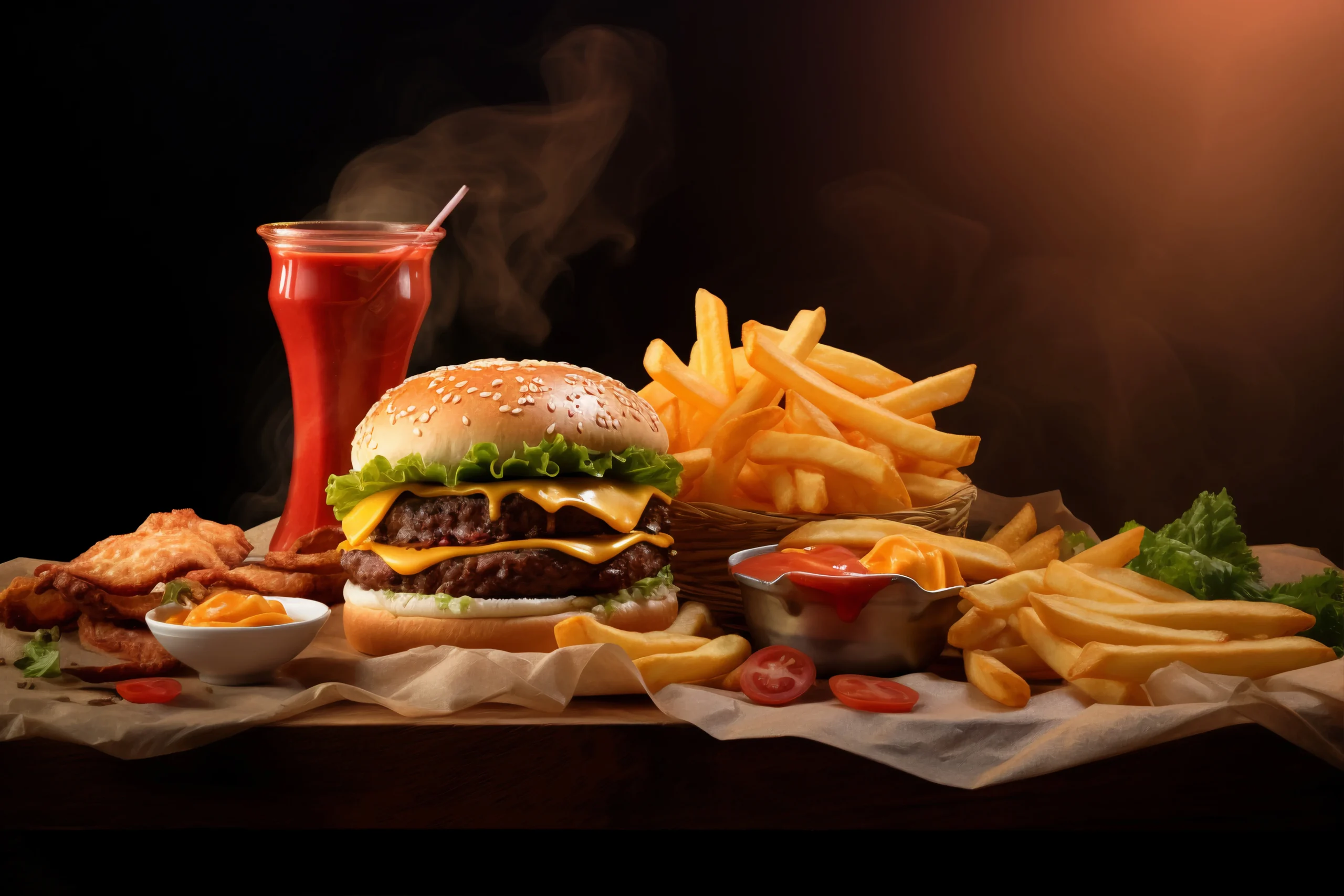
Processed foods’ gut damage is one of the biggest concerns for digestive health.
Examples include:
- Packaged snacks
- Fast food
- Frozen meals
- Processed meats
These foods contain preservatives, additives, and artificial ingredients that harm beneficial gut bacteria and promote harmful bacteria growth.
Why avoid them:
They reduce microbial diversity and increase inflammation.
2. Excess Sugar and Sugary Drinks
The link between sugar and gut health is strong. Excess sugar feeds harmful bacteria and yeast in the gut.
Common sources:
- Soda and soft drinks
- Candy and desserts
- Sweetened coffee drinks
- Packaged juices
Too much sugar disrupts the balance of the gut microbiome and increases inflammation.
3. Artificial Sweeteners
Artificial sweeteners may seem healthier, but they can negatively affect gut bacteria.
Examples:
- Aspartame
- Sucralose
- Saccharin
Research suggests artificial sweeteners may reduce beneficial bacteria and affect glucose metabolism.
4. Fried and Fast Foods
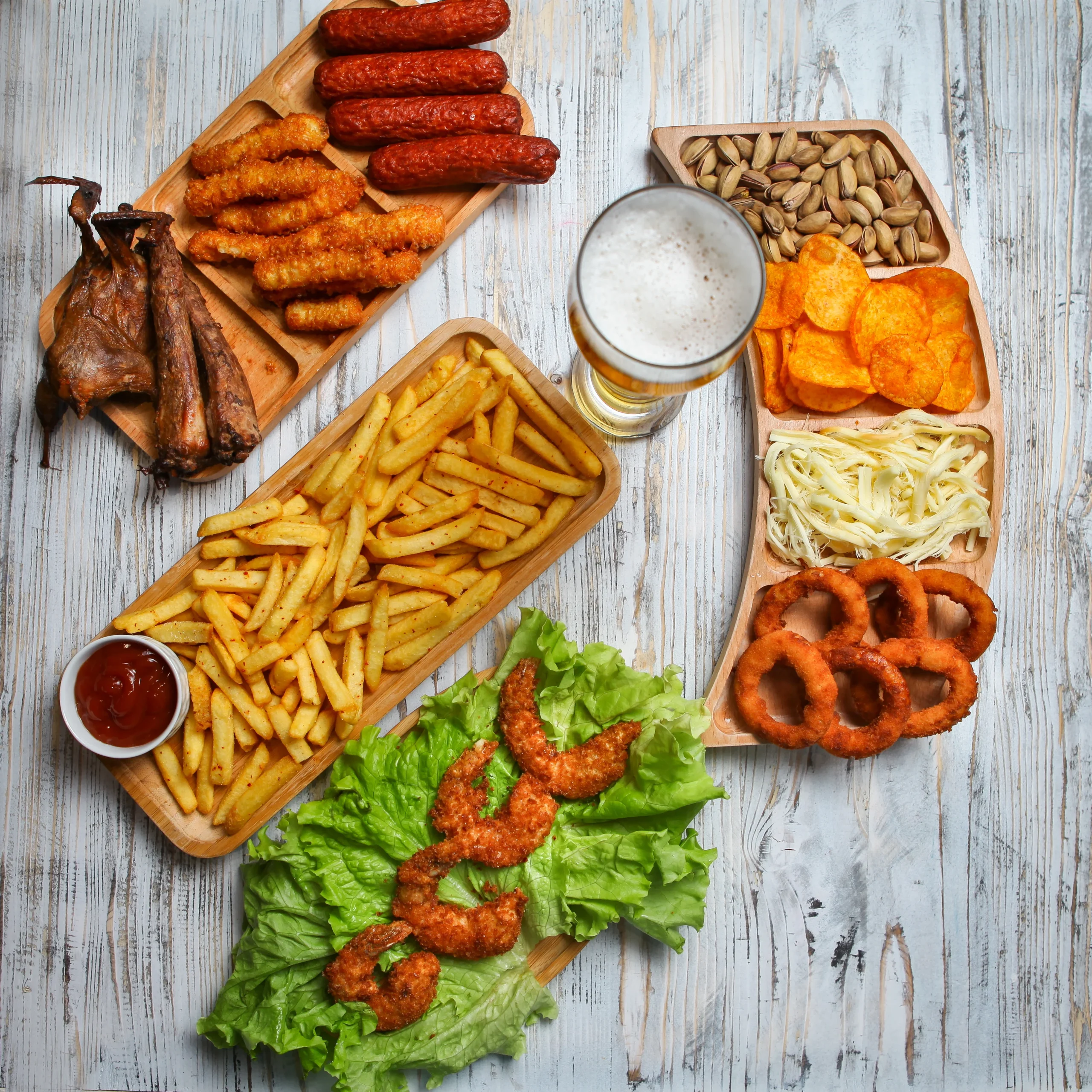
Deep-fried foods are among the worst foods for gut microbiome health.
They:
- Increase inflammation
- Slow digestion
- Promote harmful bacteria
Frequent consumption can damage the gut lining and lead to digestive discomfort.
5. Refined Carbohydrates
Refined carbs lack fiber and nutrients that support good gut bacteria.
Examples:
- White bread
- White pasta
- Pastries
- Sugary cereals
These foods spike blood sugar and promote harmful gut bacteria growth.
6. Excess Alcohol
Alcohol disrupts gut bacteria balance and damages the gut lining.
Effects include:
- Increased inflammation
- Reduced beneficial bacteria
- Poor nutrient absorption
Moderation is essential for maintaining gut health.
7. Gluten for Sensitive Individuals
While not harmful for everyone, gluten can trigger gut inflammation in sensitive individuals.
Possible symptoms:
- Bloating
- Gas
- Fatigue
- Digestive discomfort
People with gluten intolerance or sensitivity should monitor intake.
8. Dairy for Lactose-Intolerant Individuals
For those who are lactose intolerant, dairy can damage gut comfort and cause inflammation.
Symptoms:
- Bloating
- Diarrhea
- Gas
Choosing lactose-free or plant-based options can help.
9. Antibiotic Misuse and Gut Health
The effect on the gut is significant. Antibiotics kill harmful bacteria but also destroy beneficial gut bacteria.
Overuse may lead to:
- Gut imbalance
- Weak immunity
- Digestive problems
Always use antibiotics only when prescribed by a healthcare professional.
10. Ultra-Processed Snack Foods
Chips, packaged cookies, and instant meals are among the most common foods bad for digestion.
They contain:
- Artificial additives
- Trans fats
- Excess sodium
These ingredients disrupt gut bacteria and increase inflammation.
Science-Backed Comparison Table: Gut-Damaging Foods
| Food Type | Impact on Gut | Why Harmful | Better Alternative |
|---|---|---|---|
| Sugary drinks | Feeds harmful bacteria | Increases inflammation | Lemon water |
| Fast food | Reduces good bacteria | High in unhealthy fats | Home-cooked meals |
| Processed snacks | Damages gut lining | Artificial additives | Nuts & seeds |
| Alcohol excess | Weakens gut barrier | Inflammation | Herbal tea |
| Refined carbs | Low fiber | Poor digestion | Whole grains |
How to Protect Your Gut From Damage
Avoiding gut-damaging foods is only half the solution. Replacing them with healthy choices is equally important.

Step-by-Step Gut Protection Guide
- Replace processed foods with whole foods
- Reduce sugar intake
- Add probiotic foods like yogurt
- Eat more fiber-rich vegetables
- Drink more water
- Manage stress levels
- Sleep 7–9 hours daily
Consistency helps restore gut balance.
USA Diet Tips to Improve Gut Health
Modern American diets often include fast food and processed snacks. Making small changes can significantly improve gut health.
Practical Tips:
- Cook more meals at home
- Eat fresh vegetables daily
- Replace soda with water or green tea
- Choose whole grains over refined carbs
- Limit late-night junk food
These realistic changes support long-term gut health.
Frequently Asked Questions About Gut-Damaging Foods
What are the worst foods for gut health?
The worst foods for gut health include highly processed foods, sugary drinks, fried foods, artificial sweeteners, and refined carbohydrates. These foods damage beneficial gut bacteria and increase inflammation.
How do processed foods damage gut health?
Processed foods contain artificial additives, preservatives, and unhealthy fats that reduce good bacteria and promote harmful bacteria growth in the gut.
Is sugar bad for gut bacteria?
Yes. Excess sugar feeds harmful bacteria and yeast in the gut, leading to imbalance, inflammation, and digestive problems.
Which foods are bad for digestion?
Foods bad for digestion include fast food, fried foods, processed snacks, excessive alcohol, and refined carbohydrates.
Can antibiotics damage gut bacteria?
Yes. Overuse of antibiotics can kill beneficial gut bacteria, causing an imbalance and digestive issues. Always use antibiotics only when prescribed.
How can I repair gut health naturally?
Eat fiber-rich foods, add probiotics, reduce processed foods and sugar, stay hydrated, and manage stress to restore gut balance.
What is the best diet for gut health?
A diet rich in fruits, vegetables, whole grains, probiotic foods, and healthy fats supports a healthy gut microbiome.
Conclusion
Understanding the worst foods for gut health is essential for protecting digestion, immunity, and overall well-being. Many common foods in modern diets silently damage gut bacteria and trigger inflammation. Over time, this can lead to digestive issues, fatigue, and chronic health problems.
By reducing processed foods, excess sugar, artificial additives, and inflammatory foods, you can restore balance to your gut microbiome. Replacing harmful foods with whole, natural, fiber-rich options helps beneficial bacteria thrive and improves digestion naturally.
Start making small changes today. Replace one gut-damaging food with a healthier option and stay consistent. These simple steps can improve energy, strengthen immunity, and support long-term health.
For more science-backed wellness tips, preventive health strategies, and natural remedies, keep following NobleVitalCare and take control of your health journey.