

Introduction
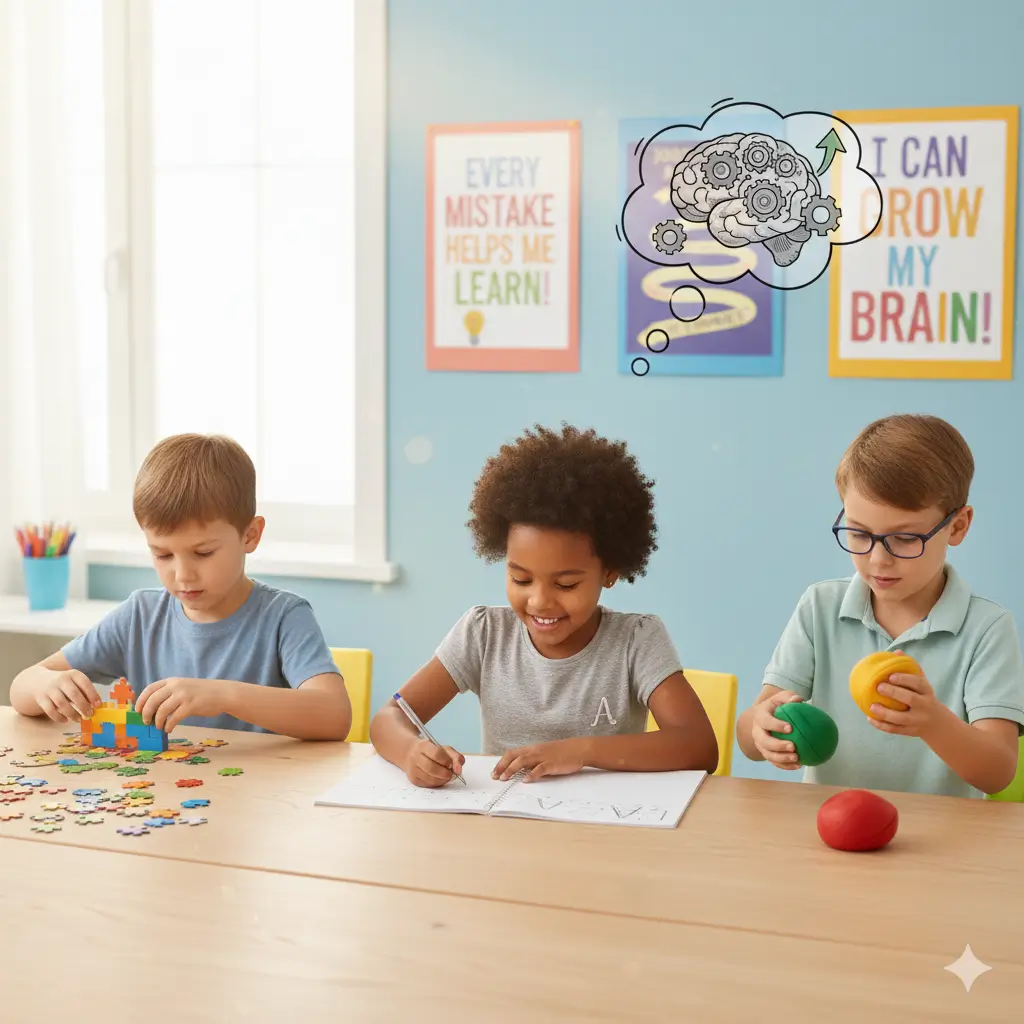
Every parent wants their child to feel confident, capable, and ready to face challenges. Yet many children fear failure, avoid difficult tasks, or give up too quickly when things feel hard. This is where learning how to develop a growth mindset in your child becomes essential. A growth mindset teaches children that abilities can be developed through effort, learning, and persistence. When children understand this early, they become more resilient, curious, and motivated. In this guide, you will learn what a growth mindset is, why it matters, and practical ways parents can nurture it at home and in everyday life.
What Is a Growth Mindset?
A growth mindset is the belief that skills, intelligence, and abilities can improve with effort and practice. This concept was introduced by psychologist Carol Dweck, whose research showed that children who believe they can grow tend to perform better academically and emotionally.
Children with a growth mindset believe they can learn from mistakes. They see challenges as opportunities instead of threats. This mindset shapes how they respond to school, relationships, and life experiences.
Fixed Mindset vs Growth Mindset in Children
Understanding the difference between a fixed mindset and a growth mindset helps parents guide their children more effectively.
Fixed Mindset Traits in Children
Children with a fixed mindset often believe their abilities are set and cannot change. They may avoid challenges, give up easily, or feel embarrassed when they make mistakes. Praise focused only on results can unintentionally reinforce this mindset.
Growth Mindset Traits in Children
Children with a growth mindset believe effort leads to improvement. They try new things, persist through challenges, and learn from feedback. They feel proud of progress, not just outcomes.
Learning how to develop a growth mindset in your child starts with recognizing these patterns.
Why Developing a Growth Mindset in Your Child Is Important
A growth mindset supports emotional strength, learning, and long-term success. Children who develop this mindset are better prepared for real-life challenges.
Some key benefits of how to develop a growth mindset in your child include improved confidence, stronger problem-solving skills, healthier responses to failure, and a love for learning. Children also develop better emotional regulation and resilience when they believe they can improve.
You may also find this helpful:
Growth Milestones Parents Should Know
How to Develop a Growth Mindset in Your Child at Home
Parents play the most powerful role in shaping the mindset. Children learn how to think by watching how adults respond to challenges and setbacks.
Use the Right Language When Praising Your Child
The words parents use matter more than many realize. Praising effort rather than results encourages children to value learning.
Instead of praising intelligence, focus on effort, strategies, and persistence. This teaches children that success comes from trying, not from being “naturally smart.”
Helpful phrases include praising hard work, practice, improvement, and problem-solving. This supports a growth mindset naturally over time.
Teach Your Child That Mistakes Are Part of Learning
Mistakes often make children feel embarrassed or discouraged. Parents can change this by normalizing mistakes as part of growth.
When children make mistakes, respond calmly. Talk about what can be learned rather than focusing on what went wrong. This builds emotional safety and curiosity.
Encourage Challenges Instead of Avoiding Them
Children often avoid tasks they find difficult. Teaching them that challenge leads to growth helps shift this behavior.
Encourage your child to try new activities, even if success is not guaranteed. Celebrate the courage to try rather than the outcome.
Over time, children begin to enjoy learning challenges instead of fearing them.
How Parents’ Behavior Shapes a Growth Mindset
Children model adult behavior closely. How parents react to stress, failure, and learning strongly influences children.

Model a Growth Mindset Yourself
When parents talk openly about learning from mistakes, children listen. Share your own challenges and how you worked through them.
Show persistence when things are difficult. Avoid negative self-talk around children. This teaches them healthy thinking patterns.
Growth Mindset and Emotional Development in Children
A growth mindset does more than improve academic performance. It strengthens emotional well-being.
Children with a growth mindset handle disappointment better. They feel less shame when they struggle and more motivation to try again.
This mindset helps children manage frustration, anxiety, and self-doubt more healthily.
How to Develop a Growth Mindset in Your Child at School
School environments strongly influence mindset development. Parents can support growth mindset learning beyond the classroom.
Focus on Learning, Not Just Grades
Grades matter, but learning matters more. When conversations focus only on scores, children may fear failure.
Ask your child what they learned, what was challenging, and what strategies they used. This keeps attention on growth rather than results.
Support Effort During Homework and Study Time
Avoid rescuing your child too quickly when tasks feel difficult. Offer guidance and encouragement instead.
This builds independence and confidence. Children learn that they are capable of problem-solving.
Using Everyday Activities to Build a Growth Mindset
Daily life offers many opportunities for how to develop a growth mindset in your child. Sports, hobbies, chores, and creative activities all involve practice and improvement. Talk about progress during these moments to help your child understand that effort leads to growth.
Highlight effort, patience, and learning rather than performance alone.
Common Mistakes Parents Make When Teaching Growth Mindset
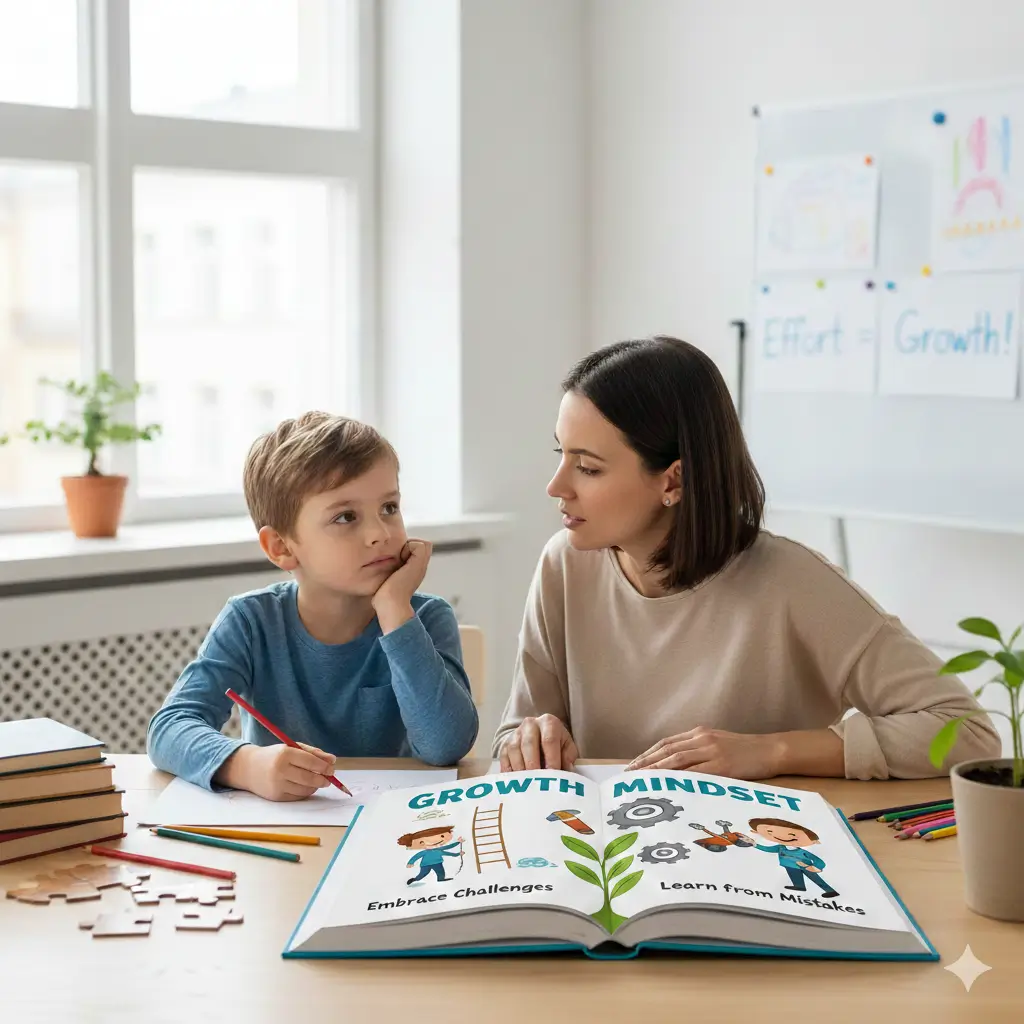
Even well-meaning parents can accidentally block the development of a growth mindset in their child. Overpraising outcomes, avoiding challenges to protect confidence, or comparing children to others can reinforce fixed thinking. The goal is balanced encouragement, not pressure or perfection.
When Growth Mindset Takes Time
Mindset change does not happen overnight. Children may revert to fixed thinking during stress.
This is normal. Consistency and patience are key. Keep reinforcing learning-focused language and behavior.
Over time, children internalize these messages.
Conclusion
Learning how to develop a growth mindset in your child is one of the most valuable gifts a parent can give. A growth mindset helps children believe in themselves, handle challenges, and see learning as a lifelong journey. Through supportive language, healthy modeling, and everyday encouragement, parents can shape resilient, confident children who are ready to grow. Progress matters more than perfection, and every effort counts.
Call to Action
What strategies have you used to encourage learning and resilience in your child? Share your experiences in the comments and help other parents learn. If you found this guide helpful, explore our related parenting articles and share this post with other families.