

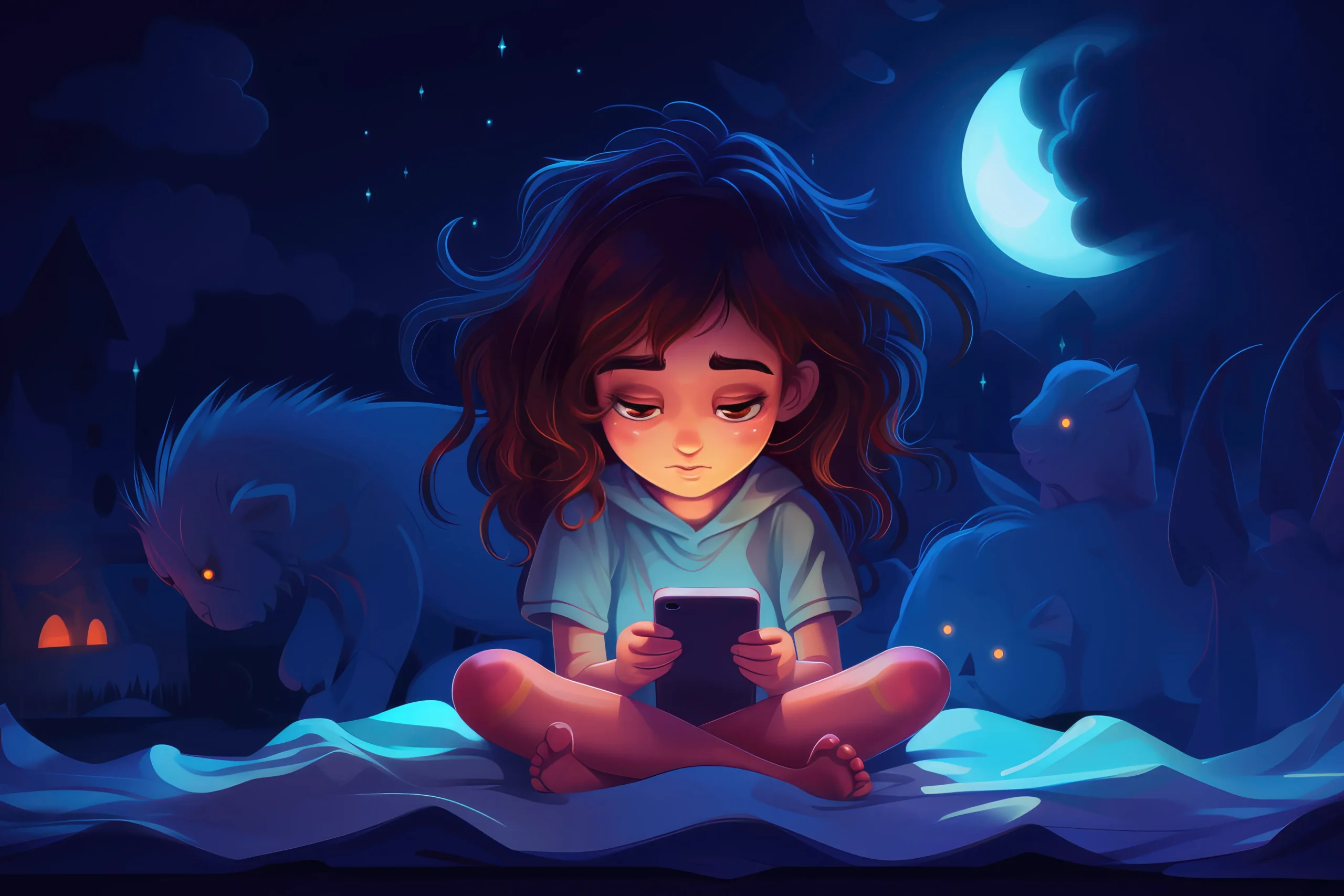
Cyberbullying and mental health are now deeply connected issues in the United States, especially for children, teens, and young adults who live much of their social life online. What used to end when you left school can now follow you home through your phone 24/7. For many young people, cyberbullying is not just “mean comments”; it is a serious mental health threat that can lead to anxiety, depression, self-harm, and even suicidal thoughts.
This guide explains what cyberbullying is, how cyberbullying and mental health are linked, what the latest U.S. statistics show, and how parents, teens, and schools can respond. It is written for a U.S. audience parents, caregivers, educators, and young people who need clear, practical information to stay safer online.
What Is Cyberbullying?
Cyberbullying is bullying that happens through digital devices and platforms. It includes repeated, intentional harm done through text messages, social media, online gaming, email, group chats, and other online spaces. Unlike traditional bullying, cyberbullying can be anonymous, can spread quickly, and can reach a victim at any time of day or night.
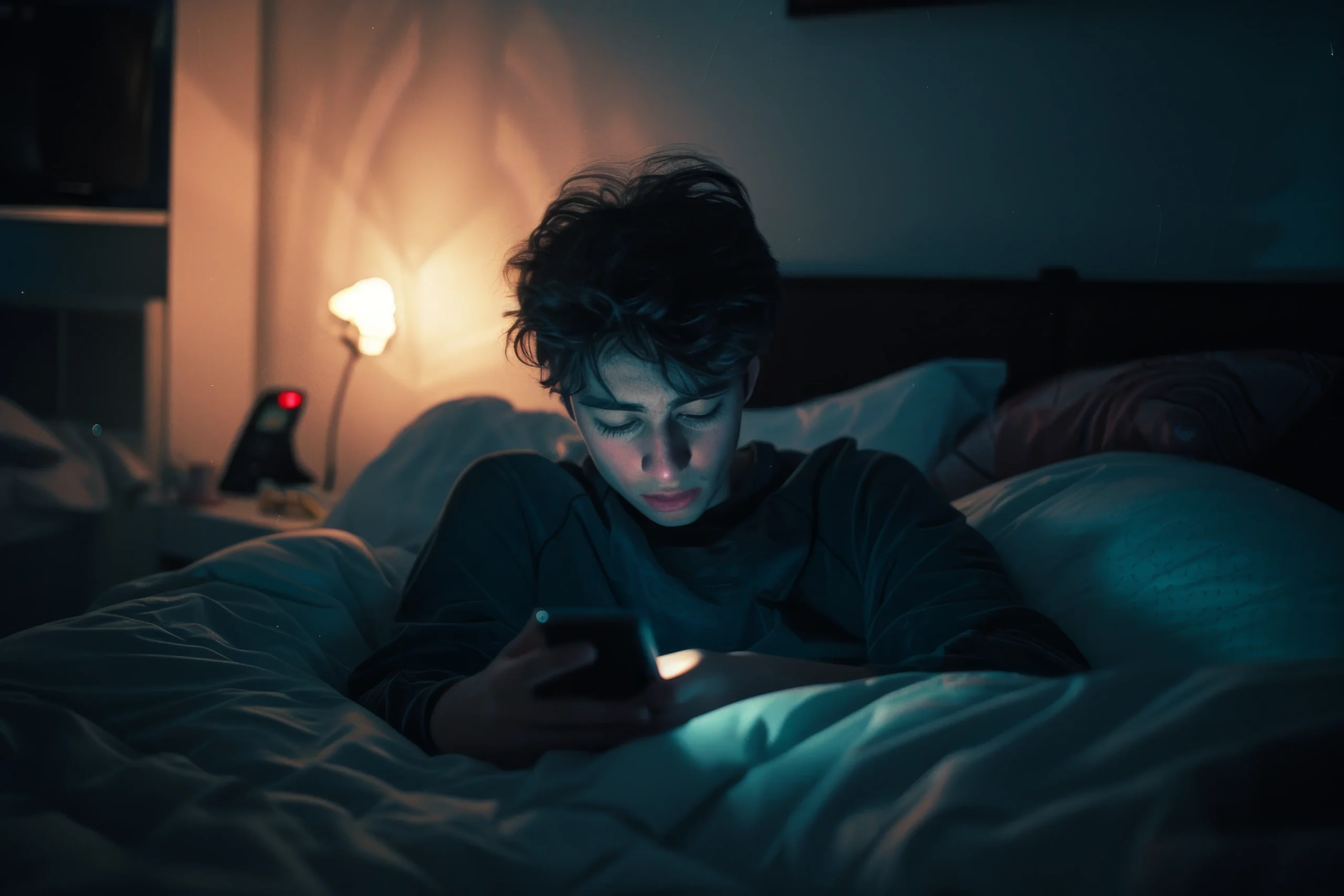
Common forms of cyberbullying include posting mean or humiliating comments, sharing private photos or messages without consent, spreading rumors online, creating fake profiles to harass someone, excluding someone from group chats or online communities on purpose, and sending threats or encouraging self-harm.
Because so much of social life for U.S. teens happens on platforms like Snapchat, TikTok, Instagram, YouTube, and online games, cyberbullying and mental health are constantly interacting in the background. A single cruel post can reach dozens or hundreds of classmates in seconds, making the humiliation feel bigger and more permanent than face-to-face bullying ever did.
Cyberbullying and Mental Health: Key Statistics in the USA
Recent data show that cyberbullying and mental health problems are rising together among American youth. In 2023, about 26.5% of U.S. teens aged 13–17 reported experiencing cyberbullying in just the last 30 days, up from 23.2% in 2021. Some surveys suggest that roughly half of U.S. teens have been bullied or harassed online at least once.
The mental health impact of cyberbullying is striking. Research summarized by teen mental health programs shows that adolescents who experience cyberbullying have higher rates of depression, anxiety, loneliness, and suicidal behavior than those who are not bullied. In one study, 93% of cyberbullying victims reported negative mental health effects, most often sadness and hopelessness.
Cyberbullying and mental health are also tied to school and daily functioning. Nearly one in five American teens reported missing school days because of cyberbullying, a number that has almost doubled compared with earlier years. Many say that cyberbullying affects their ability to learn and feel safe at school.
Certain groups are at even higher risk. LGBTQ students who are cyberbullied are about three times more likely to attempt suicide compared with LGBTQ students who are not bullied online. Youth who both bully others and are bullied themselves show the highest risk for suicidality and a wide range of mental health problems.
The CDC’s Youth Risk Behavior Survey also finds that frequent social media use is linked with higher rates of being bullied electronically, persistent sadness or hopelessness, and suicide risk among U.S. high school students. Together, these data make it clear that cyberbullying and mental health cannot be separated; online harm is a real public health issue.
How Cyberbullying Affects Mental Health
The connection between cyberbullying and mental health is not just emotional; it affects thoughts, behaviors, and even physical health.
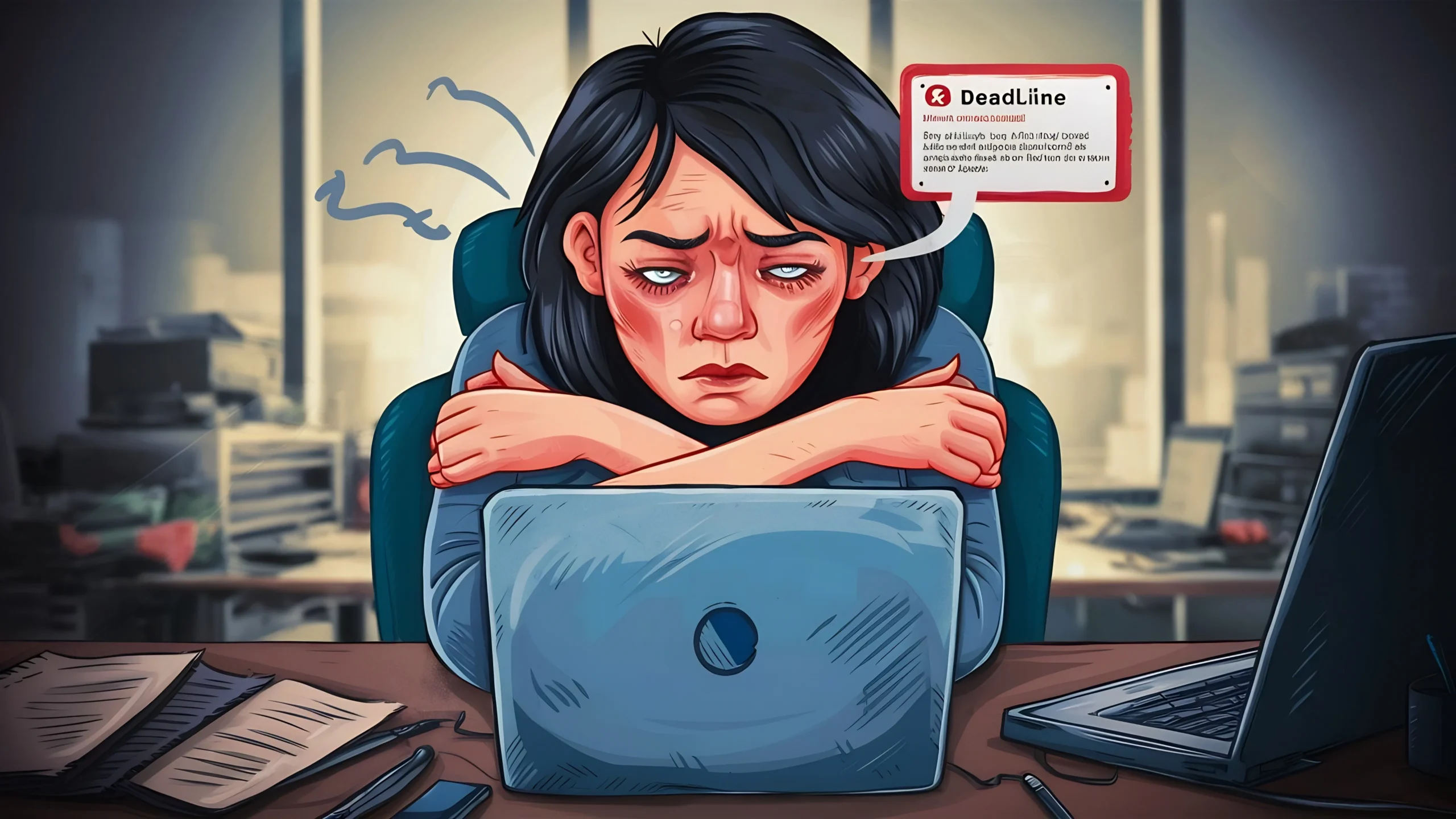
Anxiety, Fear and Hypervigilance
Victims of cyberbullying often feel constantly on edge. They may worry about what will be posted next, who has seen hurtful messages, or whether a new notification will bring more abuse. This persistent fear can look like generalized anxiety, panic attacks, or intense social anxiety. Teens might dread checking their phones but feel unable to ignore them, leading to ongoing stress.
Depression, Hopelessness, and Low Self-Esteem
Repeated online attacks chip away at a person’s self-worth. Many teens report feeling worthless, ashamed, or like they do not belong after being targeted. Over time, this can develop into clinical depression, persistent sadness, loss of interest in activities, changes in appetite or sleep, and a bleak view of the future. Because social media is such a central part of identity and social life, cyberbullying and mental health decline often happen together.
Social Withdrawal and Loneliness
Cyberbullying can push victims to withdraw from both online and offline life. Some stop posting, avoid group chats, quit extracurricular activities, or refuse to go to school. While this can reduce immediate exposure to bullies, it often increases loneliness and isolation, which in turn worsens mental health. Teens may feel that “everyone” has seen the bullying and that no space is truly safe.
Self-Harm and Suicidal Thoughts
Perhaps the most serious link between cyberbullying and mental health is the increased risk of self-harm and suicide. Studies and reports from organizations like the Cyberbullying Research Center show that teens who are cyberbullied are more likely to think about suicide and attempt it than those who are not. Some estimates suggest that cyberbullying victims are several times more likely to engage in self-harming or suicidal behavior.
For LGBTQ youth and others already at higher risk, cyberbullying can be especially dangerous. Hostile messages about identity, appearance, or worth can reinforce internalized stigma and despair, making immediate support essential.
Physical Symptoms and Academic Impact
Cyberbullying doesn’t only affect the mind. Many victims experience headaches, stomachaches, sleep problems, and other stress-related symptoms. They may have trouble concentrating, leading to declining grades and more school absences. When cyberbullying and mental health issues combine, the impact on a teen’s education and future opportunities can be profound.
Why Cyberbullying Hits So Hard
Several features of online life make cyberbullying uniquely damaging compared with traditional bullying.
First, it is constant and inescapable. Kids used to be able to leave bullying at school; now, it can follow them home on every device. There is no guaranteed safe space, and the pressure can feel endless.
Second, it is public and permanent. Posts, screenshots, and videos can be shared, saved, and revisited long after the original incident. Even if content is deleted, victims may fear that it still exists somewhere online. This makes the humiliation feel larger and more lasting, intensifying the impact of cyberbullying on mental health.
Third, anonymity and distance make it easier for people to be cruel. Behind a screen, bullies may say things they would never say face-to-face. Some may not see the victim’s immediate reaction, which can blunt empathy and make the behavior more extreme.
Finally, the same algorithms and features that keep users engaged can magnify harm. A cruel post that gets likes, comments, or shares may be boosted by the platform, spreading the bullying even further. When cyberbullying and mental health are at stake, this amplification effect can be devastating.
Cyberbullying, Social Media, and Mental Health
Social media platforms are often where cyberbullying and mental health crises collide. On apps like TikTok, Snapchat, Instagram, and YouTube, teens share personal content, seek validation, and keep up with friends. These spaces can offer connection and support, but they can also become arenas for public shaming, group pile-ons, and rumor spreading.
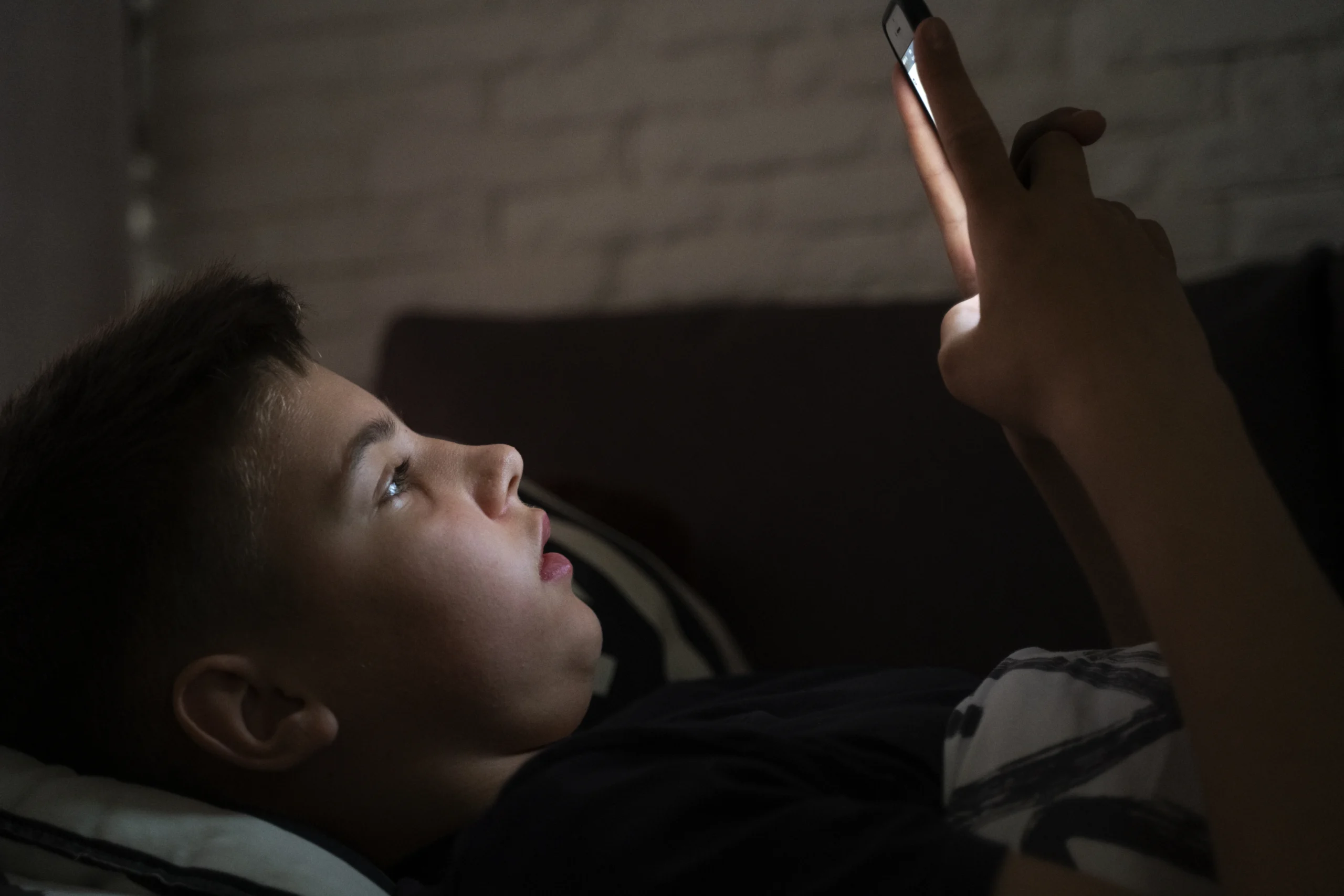
Recent U.S. data show that a majority of high school students use social media several times a day, and frequent use is associated with higher rates of bullying victimization and poor mental health. Kids on certain platforms, like YouTube and Snapchat, report especially high rates of cyberbullying.
The same features that make social media engaging, likes, comments, followers, and viral trends, can be weaponized in bullying. Hurtful comments, “joke” videos, and exclusion from group chats can all send powerful signals about social status and belonging. For teens, whose identities and self-esteem are still forming, this can be deeply destabilizing.
At the same time, social media can be a place where victims of cyberbullying find support communities, mental health resources, and peers who understand. That is why conversations about social media, cyberbullying, and mental health need nuance. The goal is not to ban all technology, but to change how it is used and how quickly adults respond when harm occurs.
Warning Signs: When Cyberbullying Is Hurting Mental Health
Parents, caregivers, and teachers in the USA often ask how to tell when cyberbullying and mental health issues are connected for a young person. Warning signs can be subtle at first, but they become clearer over time.
Some common red flags include sudden changes in online behavior using devices much more or much less than before, quickly closing screens when someone walks in, or seeming upset after being online. Teens might stop talking about their online life, become secretive about passwords or accounts, or create new profiles without explanation.
Changes in mood and behavior are crucial indicators. Look for increased sadness, irritability, anger, or anxiety, especially after screen time. Teens may withdraw from friends, avoid school or activities they used to enjoy, or show big changes in sleep or appetite. Declining grades and frequent physical complaints like headaches or stomachaches can also be linked to cyberbullying and mental health strain.
More urgent warning signs include talk of hopelessness, feeling worthless, or saying things like “no one cares” or “it would be better if I disappeared.” Any mention of self-harm, wanting to die, or giving away possessions should be taken very seriously. In these cases, cyberbullying and mental health risk may have crossed into a crisis requiring immediate professional help.
How Parents and Caregivers in the USA Can Help
Parents play a central role in protecting kids from the worst effects of cyberbullying and mental health problems. That does not mean reading every message or knowing every password, but it does mean taking an active, open approach.
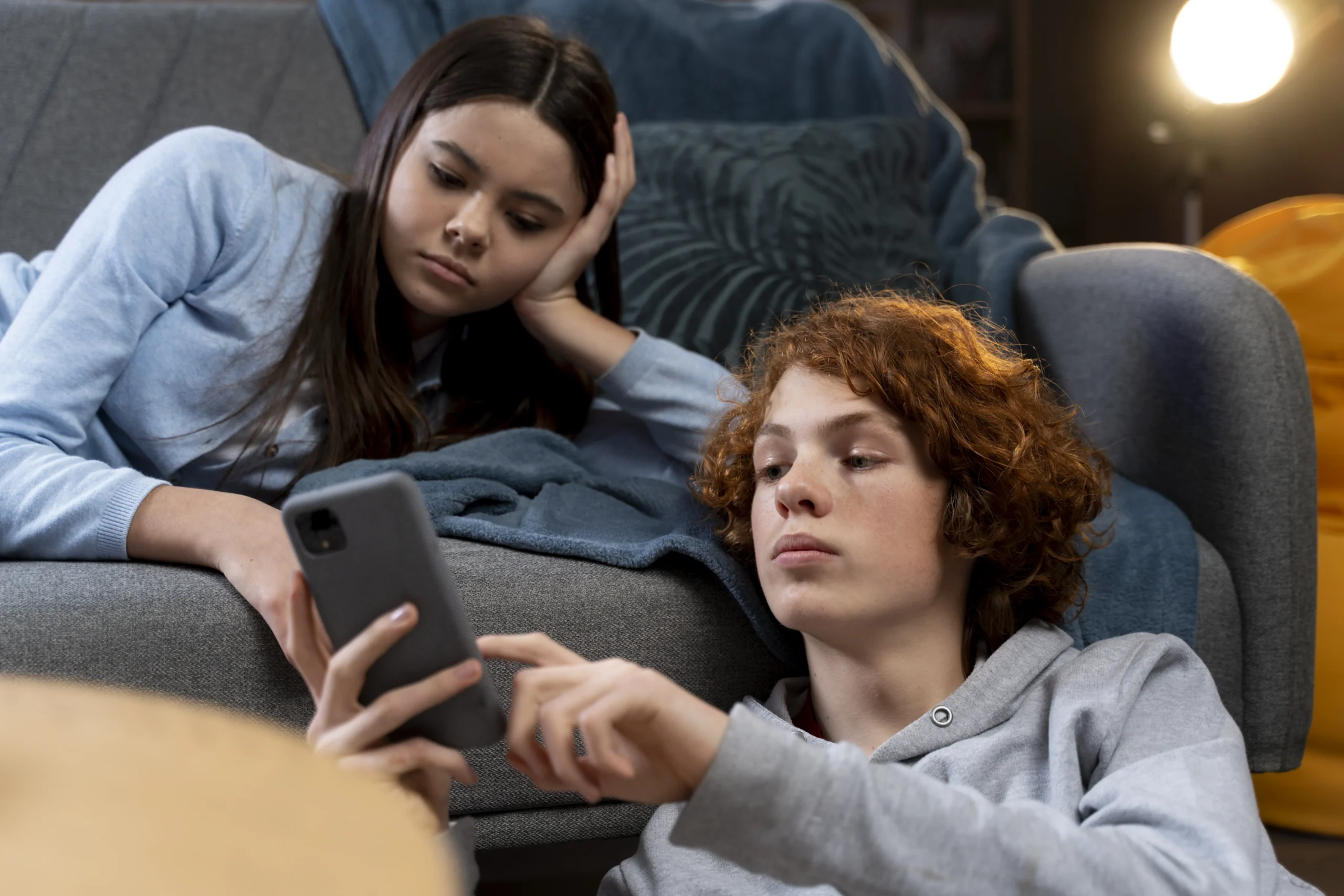
Start by creating a safe space for conversation. Let your child know that you care more about their well-being than about punishing them for what they do online. Many teens hide cyberbullying because they fear losing their devices or being judged. Make it clear that if they are hurt, you want to help, not blame.
Learn about the platforms your child uses. You do not have to be an expert on every app, but knowing the basics how messaging works, how blocking and reporting tools function, and what privacy settings are available helps you respond quickly if something goes wrong.
Set clear, age-appropriate guidelines. This might include limits on screen time, rules about sharing passwords, and expectations about respectful behavior online. Revisit these rules as your child grows, and involve them in creating the boundaries. When kids understand that cyberbullying and mental health are serious topics, they are more likely to speak up early.
If your child is being cyberbullied, document the evidence: screenshots, messages, usernames, dates, and times. Block and report the bullies on the platform, contact the school if classmates are involved, and consider speaking with other parents if it is safe to do so. In many U.S. states, schools are required to address bullying that affects the learning environment, even when it happens off campus.
Most importantly, watch for mental health changes and seek professional support if needed. Therapists, counselors, and pediatricians can help assess the impact of cyberbullying and mental health, and create a recovery plan that might include therapy, support groups, or medication when appropriate.
When Professional Help Is Needed
Sometimes, the damage from cyberbullying and mental health strain is too great to handle alone. If a young person shows signs of major depression, severe anxiety, self-harm behaviors, or suicidal thoughts, professional help is essential.
In the United States, you can start with your child’s pediatrician, school counselor, or a licensed therapist who specializes in child and adolescent mental health. For urgent concerns such as talk of suicide or self-harm, contact your local crisis line or emergency services. Many areas also have 988, the Suicide & Crisis Lifeline, which offers immediate phone, chat, and text support.
Cyberbullying and mental health recovery often involve rebuilding self-esteem, processing trauma, and restoring a sense of safety. Evidence-based treatments like cognitive behavioral therapy (CBT), trauma-focused therapies, and family therapy can all play a role, especially when combined with practical changes in online habits and school support.
Remember that cyberbullying can affect perpetrators too. Youth who bully others often struggle with their own mental health, behavior, or environment. In some cases, they are victims in other contexts. Professional help can address both sides, reducing harm and preventing future incidents.
FAQ: Cyberbullying and Mental Health
1. What is cyberbullying and how is it different from regular bullying?
Cyberbullying is bullying that happens online or through digital devices, such as social media, texts, group chats, games, and email. It can happen 24/7, reach a larger audience, and leave a permanent digital trail, which often makes the impact on mental health more severe than face-to-face bullying.
2. How does cyberbullying affect mental health?
Cyberbullying and mental health are closely linked. Victims often experience anxiety, depression, low self-esteem, loneliness, sleep problems, and in serious cases, self-harm and suicidal thoughts. The stress can also cause physical symptoms and make it hard to focus at school or work.
3. How common is cyberbullying among U.S. teens?
Recent statistics suggest that around one in four American teens have experienced cyberbullying in the last 30 days, and roughly half have been bullied or harassed online at some point. These numbers have increased over recent years as online use has grown.
4. Are some groups more at risk of cyberbullying and mental health problems?
Yes. LGBTQ youth, teens who spend many hours per day on social media, and those who already struggle with mental health conditions are at higher risk for both cyberbullying and serious mental health effects, including suicidal thoughts and attempts.
5. What should I do if my teen is being cyberbullied?
First, listen and validate their feelings. Save screenshots and records of the bullying, block and report the offenders on the platform, and contact the school if classmates are involved. Watch for mental health warning signs and consider seeking support from a therapist or counselor who understands cyberbullying and mental health.
6. Can social media ever be positive for mental health after cyberbullying?
Yes, but it must be used carefully. Some teens find supportive communities and helpful mental health content online. After cyberbullying, it can help to reset privacy settings, unfollow harmful accounts, and slowly rebuild a healthier relationship with social media, ideally with guidance from a trusted adult or therapist.
7. When is it time to seek professional help?
Seek professional help if you notice signs of major depression, intense anxiety, self-harming behaviors, talk of wanting to die, or any suicide attempt. Because cyberbullying and mental health are so intertwined, early intervention can prevent long-term damage.