

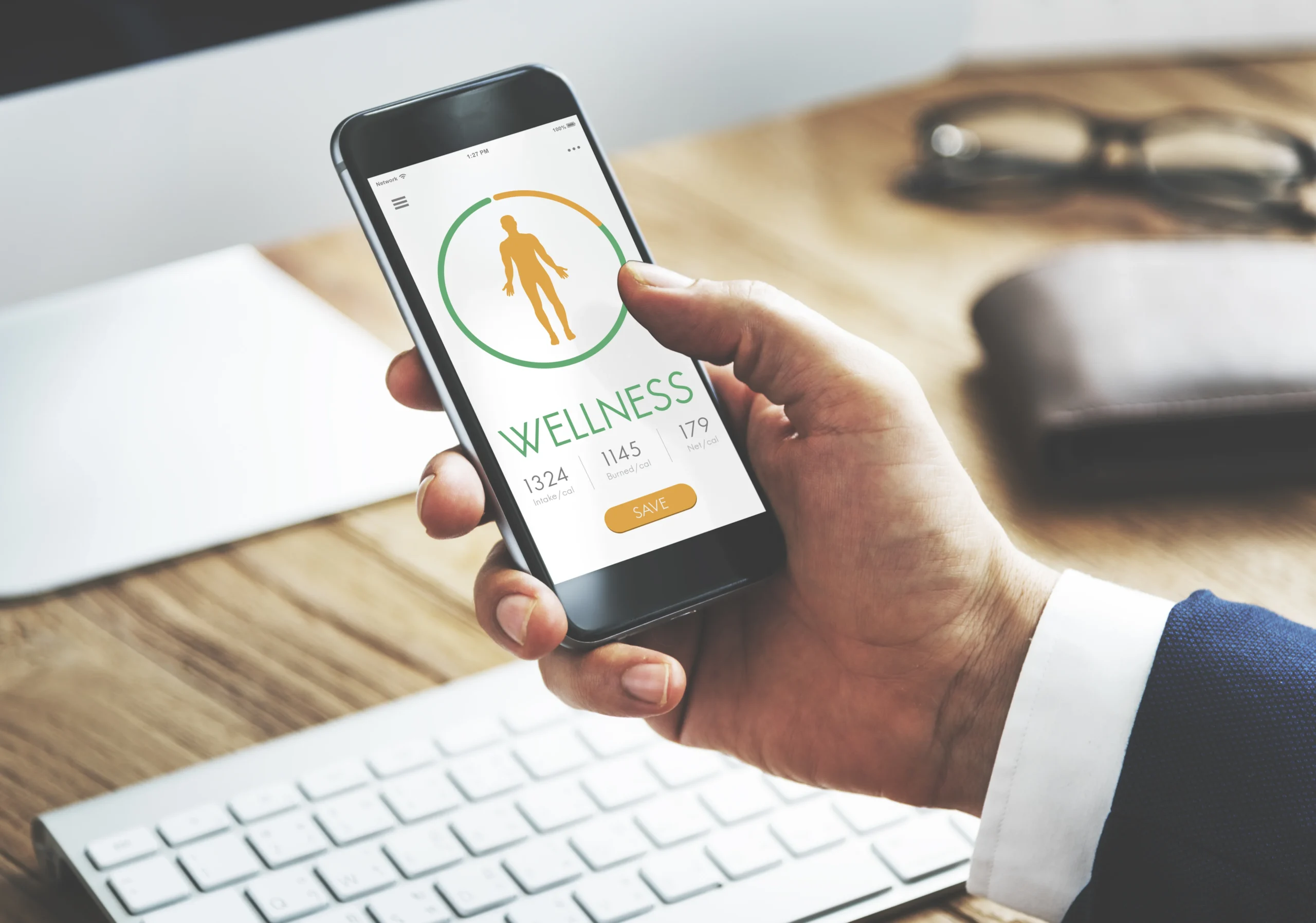
Mental health apps are everywhere now. If you open any app store, you will see hundreds of tools promising calmer minds, better sleep, and instant relief from anxiety or low mood. For many people, especially those who cannot access a therapist easily, these apps feel like a lifeline. At the same time, there is a real concern about whether they genuinely work, how safe they are, and when they might even do more harm than good.
In your previous reading on digital mental health tools being helpful or harmful, you saw both sides of the debate. This article goes one step further. Here, we will look specifically at top digital mental health apps, what research says about them, and how to use them in a way that supports your wellbeing rather than replaces proper care. The goal is not to promote any one app, but to show you which types of apps tend to be helpful, what their limits are, and how you can make informed, safe choices.
There is now a known treatment gap in mental health worldwide. A large proportion of people struggling with depression, anxiety, or stress never receive formal care due to cost, stigma, distance, or lack of professionals. This is one reason why app developers, researchers, and healthcare companies have invested heavily in mobile mental health solutions. The promise is simple: if most people already carry smartphones, why not deliver evidence-based psychological tools straight into their pockets?
The reality is more complex. There are thousands of digital mental health apps, but only a small fraction have been seriously studied. Many are beautifully designed but not clinically grounded. Others are based on strong psychological models but are difficult to use or easy to abandon. Understanding this gap between marketing and evidence is the first step to choosing wisely.
What the Research Really Says About Mental Health Apps

Over the last few years, multiple systematic reviews and clinical studies have examined how effective mental health apps actually are for conditions like depression, anxiety, stress, and sleep problems. Overall, the evidence is cautiously positive but far from perfect. Many well designed studies show that apps based on cognitive behavioral therapy, mindfulness, and related approaches can lead to modest reductions in symptoms compared with no treatment or usual care, especially in mild to moderate cases. In other words, for many people, using the right app can make a noticeable difference in mood and coping.
However, these results come with important limitations. A recent systematic review of smartphone digital mental health apps highlighted that engagement drops off quickly. Many users download an app, try it for a few days, and then abandon it. That means that even if an app is effective in a research setting where people are encouraged to stick with it, its real world impact may be much smaller. The challenge is not only whether an app works, but whether people actually keep using it long enough to benefit
Another concern is who these apps are tested. Many studies recruit younger, more educated, higher-income participants who are comfortable with digital tools. There is far less data on how well these apps work for older adults, people with limited digital literacy, or populations in low and middle-income countries. There is also limited high-quality evidence in people with severe mental illnesses, complex trauma, or high suicide risk. For these groups, relying solely on an app is not recommended and can even be dangerous.
It is also important to note that most apps have not gone through rigorous testing. A very small number are backed by independent clinical trials, while many rely on internal data or small pilot studies. Reviews of mental health apps have repeatedly found issues with transparency, inconsistent quality, and unclear information on how content was developed. This means you cannot assume that a top ranking app in an app store is automatically evidence-based or safe.
The bottom line from current research is clear. Digital mental health apps can help reduce symptoms and support self care, especially for mild to moderate problems and for people who are motivated to use them regularly. But they are not replacements for professional diagnosis, therapy, or crisis support. They work best as part of a broader approach that includes healthy lifestyle, social support, and, when needed, expert care.
How to Evaluate a Mental Health App Before You Download
Before you choose any app, it is worth taking a few minutes to evaluate it. This simple step can protect your privacy, save your time, and ensure you are using something that has at least some basis in evidence and ethics. Researchers and digital health experts often recommend looking at several key features of an app before trusting it.
The first question is about evidence. When you look at digital mental health apps, check whether the app is based on a specific therapeutic approach, such as cognitive behavioral therapy, mindfulness, acceptance and commitment therapy, or another recognized method. Look on the app’s website or in the app store description for references to published studies, clinical trials, or partnerships with universities or hospitals. If an app claims to be “scientifically proven” but cannot point to any real research, be cautious. Independent studies are especially valuable because they reduce conflicts of interest and give a more reliable picture of how well an app truly works
Next, look at the transparency about methods and creators. A trustworthy app should clearly explain what tools it uses and who developed the content. Are licensed psychologists, psychiatrists, or other mental health professionals involved? Is there a medical advisory board? If the app is vague and simply markets itself as “wellness” without explaining how it works, that is a warning sign.
Privacy and data security are critical when you use digital mental health apps. Mental health information is deeply sensitive. Read the privacy policy, even briefly, to see what data is collected, how it is stored, and whether it is shared with third parties for advertising or analytics. Some reviews have found that a number of mental health apps share user data with external companies without clear consent. Choose honest apps that use strong encryption and that give you as much control over your data as possible
You should also consider how well the app fits your culture, language, and daily reality. An app may be effective in a Western clinical trial, but feel disconnected from your values or experiences. Look for apps that support your language, reflect your cultural background where possible, and avoid content that clashes with your beliefs. This is particularly important in regions and communities where mental health is strongly shaped by family, religion, or local norms.
Finally, look at accessibility and cost. Many apps use a freemium model, where basic features are free but advanced content requires a subscription. Make sure you understand what is actually included in the free tier and what you would need to pay for. Consider whether the app works offline, how heavy it is on data, and whether its price is sustainable for you in the long term. A more modest app that you can afford and actually use consistently is more effective than a perfect app you cancel after a month.
Top Digital Mental Health Apps to Consider
With those guidelines in mind, let us look at some types of digital mental health apps that many people find useful. These examples are not endorsements or replacements for professional care, but they represent common categories that appear again and again in research and expert recommendations. The key is to understand what each kind of app does well, and where its limits lie.
Best Overall Self Help Companion: Mood and Habit Tracking Apps
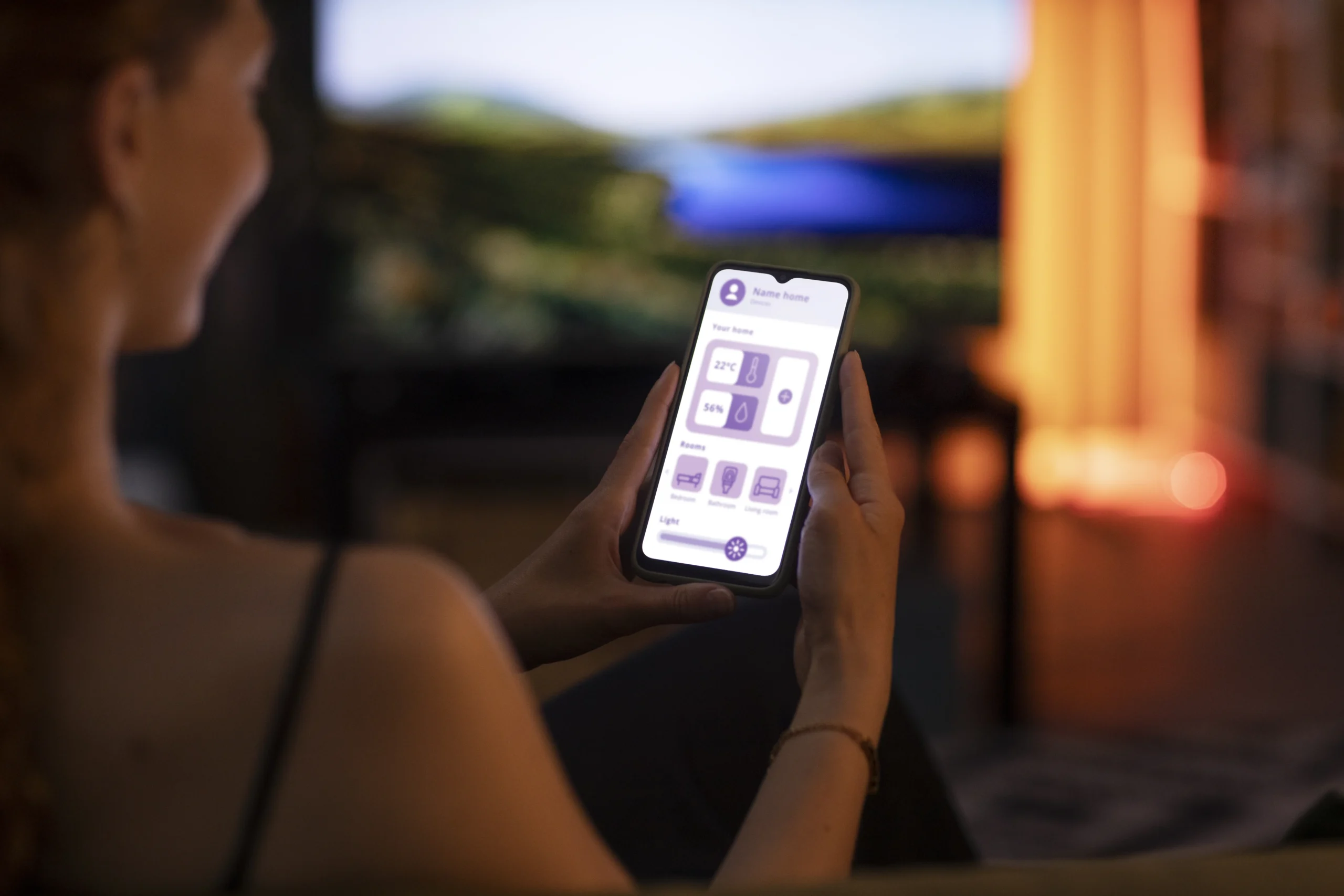
One popular category of digital mental health apps is mood tracking and micro journaling tools, such as Daylio and similar platforms. These apps let you record your mood using simple icons or words, and link it to activities like work, sleep, exercise, or social time. Over days and weeks, they build charts that help you see patterns. You might notice that your mood is consistently lower after poor sleep, or that spending time outdoors improves your stress levels. This information can be very powerful in understanding your triggers and protective factors and in having more informed conversations with a mental health
Research suggests that self-monitoring and mood tracking can support other treatments like cognitive behavioral therapy, because they increase awareness of thoughts, behaviors, and environmental influences. They can give both you and your therapist concrete data to work with. Mood tracking also helps people catch early warning signs of burnout or relapse, so they can act sooner rather than later.
However, mood trackers have their limitations. On their own, they do not provide therapy, and most digital mental health apps in this category still rely heavily on your own interpretation of the data. They require you to be motivated enough to record your state regularly. Some users even find that constantly tracking mood increases their focus on distress instead of helping them move through it, and a small proportion may experience a temporary worsening of mood or stress when monitoring too frequently. There is also a risk of drawing rigid conclusions from limited data, such as believing that a certain person or activity is always bad for you when the reality is more nuanced, especially when charts are hard to interpret or influenced by default settings or one‑off situations
Mood tracking apps are generally best for people with mild to moderate symptoms who like structure and data. They can be particularly helpful if you already use other tools like therapy, meditation, or exercise, and want a clearer picture of how everything fits together. They are less suitable as a stand alone strategy for severe depression, bipolar disorder, or crisis situations. In those cases, mood data may still be useful, but only when integrated with professional support.
Best for Therapy Access: Online Therapy Platforms
Online therapy platforms such as Talkspace, BetterHelp, and similar services connect users with licensed therapists through text, audio, or video sessions, making them one of the most widely used types of digital mental health apps. Instead of commuting to a clinic, you can have therapy at home, often with flexible scheduling that fits around work or family life. These platforms usually offer subscription packages that include weekly live sessions plus ongoing messaging between sessions, so you can contact your therapist in between appointments for extra support when you need it

A growing body of research has shown that online therapy, especially when based on cognitive behavioral therapy, can be as effective as in person therapy for many people with depression and anxiety. Several trials and reviews indicate similar improvements in symptoms, provided the programs are well designed and therapists are properly trained. This makes digital therapy an important tool for increasing access, particularly in areas where professionals are scarce.
The advantages are clear. Online therapy can be easier to fit into a busy life, because you do not need to travel or rearrange your entire day just to attend a session. It can feel more discreet, which matters in communities where stigma around mental health is still high, since you can talk to a therapist from the privacy of your own home without being seen entering a clinic. It can also connect you with therapists who speak your language or understand your culture, even if they live far away, which is especially helpful for people living abroad or in regions with few local specialists. For some, the option of secure text or voice messaging in these digital mental health apps can make it easier to open up compared with face-to-face conversations, because they have more time to reflect and can communicate in the way that feels most comfortable.
However, online therapy is not perfect. Subscription costs can still be high relative to local incomes, and insurance coverage is uneven across countries. Connection quality and privacy at home may affect how comfortable you feel in sessions. These services are not designed for very high risk situations such as acute suicidal intent, severe psychosis, or complex trauma requiring more intensive interventions. Most platforms clearly state that emergencies should be handled by local emergency services, not through the app.
Online therapy platforms, as a form of digital mental health apps, work best for people with mild to moderate depression, anxiety, stress, or relationship issues who cannot easily access in person care. They can also be very helpful as a first step if there is a long waiting list for local services. They are not an adequate replacement for emergency services or specialized treatments in complex cases, but they can be part of a stepped approach when used thoughtfully.
Best for Mindfulness and Sleep: Meditation and Relaxation Apps
Meditation and relaxation apps such as Calm, Headspace, and similar tools have become some of the most recognizable names in digital mental health apps. They typically offer guided meditations, breathing exercises, sleep stories, and background sounds designed to help you relax and focus. Many also include short educational audio on topics like stress, gratitude, and self compassion.
Studies show that mindfulness-based interventions can reduce stress, improve sleep quality, and help with mild symptoms of anxiety and depression. App-based mindfulness programs are usually shorter and more flexible than intensive eight-week courses, but they can still offer benefits, especially for beginners who have never tried meditation before. People who use these apps regularly often report feeling calmer, less reactive, and more able to observe their thoughts without getting caught in them.
The strengths of mindfulness and sleep apps include their accessibility and low barrier to entry. Sessions can be as short as a few minutes, making them easy to fit into a work break or bedtime routine. The soothing design and voiceovers can make it easier to switch off from the constant stimulation of social media and news feeds. For many people struggling with insomnia, even a small improvement in relaxation before bed can make a big difference.
At the same time, meditation apps are not a cure for complex mental health conditions. They may not address underlying trauma, deep interpersonal problems, or neurobiological factors, and experts caution that digital mental health apps in this category should not be treated as full substitutes for structured, clinician-led programs.
These apps are generally ideal for stress management, mild sleep problems, and preventive mental wellness. They work best when combined with healthy habits such as good sleep hygiene, regular movement, and real life social contact. They are less appropriate as the primary intervention for severe disorders, although they can still be used with caution as part of a broader care plan discussed with a professional.
Best for Anxiety and CBT Skills: Cognitive Behavioral Therapy Based Apps
Another key category is digital mental health apps that explicitly teach and guide you through cognitive behavioral therapy techniques. Examples include apps like MindShift CBT and other CBT based programs, which offer tools such as thought records, worry diaries, coping cards, and exposure exercises. These are designed to help you identify unhelpful thinking patterns, test them against reality, and gradually change your behavior in situations that trigger anxiety or low mood.
The best evidence for mental health apps so far is for those that deliver structured CBT content. Studies and meta analyses have found that CBT based digital interventions can significantly reduce symptoms of anxiety and depression compared with control conditions, especially when users complete the modules as intended. This reflects decades of research on CBT itself as a gold standard treatment for many mood and anxiety disorders.
The advantages of CBT apps are that they provide practical, step by step exercises you can do on your own or alongside a therapist. They turn abstract concepts into concrete homework, which can make you feel more empowered and active in your recovery. For people on waiting lists for therapy, they can offer a valuable starting point, helping you build skills in the meantime.
However, CBT digital mental health apps are not for everyone. They often require a fair amount of reading, reflection, and writing, which may not suit people who prefer more passive formats. Some users find them dry or challenging to stick with without human support. For complex or long standing problems, generic CBT content may feel too simplistic or may not address deeper emotional or relational issues.
CBT-based apps are especially appropriate for people with mild to moderate anxiety or depression who like structured learning and are motivated to practice new skills. They are most powerful when used as a complement to real therapy sessions, where a professional can tailor exercises to your life and help you work through barriers. They are not a substitute for comprehensive treatment in cases of severe or multiple mental health conditions.
Best for OCD and Specific Conditions: Specialized Apps
A smaller but important group of digital mental health apps focuses on specific diagnoses, such as obsessive compulsive disorder, post traumatic stress, or particular phobias. For example, NOCD is a platform built around evidence based treatment for OCD, offering access to therapists trained in exposure and response prevention, along with tools and community support within the app.

Exposure and response prevention is considered a gold standard therapy for OCD, and digital delivery of this approach has shown promising results in early studies. Properly guided exposures, combined with support and education, can lead to meaningful reductions in compulsions and distress. Specialized apps like this aim to make highly specific treatments more accessible to people who may not have local specialists.
The benefits of specialized apps include targeted content, communities of people with similar experiences, and therapists who are trained in that specific condition rather than general practice. This can be especially reassuring for conditions like OCD, where misunderstandings are common even among some professionals.
At the same time, access and affordability can be barriers. Many of these services are priced at a premium and may only be available in certain countries. They also require a good internet connection and a level of emotional readiness to confront difficult fears. As with other digital therapies, they are not suitable for crisis situations and should be integrated with broader safety plans when symptoms are intense.
Specialized digital mental health apps are best for people with a clear diagnosis, enough stability to engage in structured treatment, and the resources to pay for and commit to the program. They are typically not recommended as a self diagnostic tool or for people who are unsure what they are dealing with, in which case an initial assessment with a professional is important.
When Mental Health Apps Can Be Harmful or Misleading
It is important to talk honestly about the potential downsides of mental health apps. Not every app is safe, and even good apps can cause problems if used in the wrong way. One major risk is that an app can create a false sense of security. Someone with severe depression, suicidal thoughts, or psychosis might rely on an app instead of seeking urgent help, believing that self help is enough. This delay in professional care can make conditions worse and increase risk.
Data privacy is another serious concern. Analyses of mental health apps have found that some share user data with advertisers, analytics companies, or third parties, sometimes without clear consent. This can include sensitive information about mood, symptoms, and behaviors. If this data is mishandled or breached, it can have real life consequences. Always consider whether you are comfortable with how an app handles your information before entering anything personal.
There are also subtler harms. Some apps use gamification systems, streaks, and constant notifications to keep you engaged. While reminders can help build habits, they can also generate guilt or anxiety when you miss a day, or make you dependent on the app to feel okay. Others may offer very generic advice that does not fit your specific context, which can make you feel misunderstood or even blamed when suggestions do not work.
Another issue is that mental health apps operate on screens, and many people are already overwhelmed by digital overload. If you are struggling because of endless scrolling, comparison, or information overload, adding more screen time as a solution may feel contradictory. Using mental health apps without actively reducing harmful digital habits can limit their benefits and sometimes add to fatigue.
Most importantly, apps are not equipped to handle emergencies. If you or someone close to you is experiencing suicidal thoughts, self-harm, severe mania, hallucinations, or any acute crisis, you should not rely on an app. In those situations, contacting local emergency services, crisis hotlines, or urgent care is essential. Many reputable apps clearly state this, but it is up to users to take it seriously.
How to Use Mental Health Apps Safely and Effectively
To get the most out of mental health apps while protecting yourself, it helps to approach them as tools, not cures. Start by choosing one app that clearly matches your primary goal, whether that is better sleep, reduced anxiety, tracking your mood, or accessing therapy. Trying too many at once can become overwhelming and make it harder to know what is actually helping.
Set realistic expectations. Even the most evidence based app will not change your life overnight. Most studies on digital interventions look at several weeks of regular use before significant improvements appear. Decide in advance how often you will use the app and for how long you will test it before judging whether it is useful. A practical window is two to eight weeks, depending on the program.
Combine app use with offline habits. Apps work best when they guide you toward real world actions, not when they keep you stuck on your phone. If your meditation app suggests a breathing exercise, try doing it away from the screen after you learn it. If your CBT app encourages behavioral activation, use it as a prompt to actually go for a walk, call a friend, or do a small task. Linking digital tools to tangible behaviors amplifies their impact.
Whenever possible, involve a professional. Share your app data, mood charts, or CBT exercises with your therapist, counselor, or doctor. Ask whether the app fits with your treatment plan, and whether they have any concerns about its content or approach. If you do not yet have a therapist, you may still consider scheduling at least one professional consultation to discuss a safe self help plan that includes apps.
Review your relationship with the app regularly. Once a month, ask yourself whether the app is actually helping, making no difference, or adding stress. If you feel pressured, guilty, or more anxious because of notifications, streaks, or community interactions, it may be time to adjust settings or switch to a different tool. Your mental health should always come before your loyalty to any digital product.
Finally, protect your data and your boundaries. Use strong passwords and avoid sharing identifiable personal details in open forums or groups within apps. Be cautious about linking your mental health app to social media unless you fully understand the consequences. If privacy policies change in a way that makes you uncomfortable, do not hesitate to leave. Your well-being is more important than any individual app.
Final Thoughts
Digital mental health apps are powerful tools when used in the right way. Research shows that they can reduce symptoms and support wellbeing, particularly for mild to moderate problems, when they are grounded in evidence based approaches like cognitive behavioral therapy and mindfulness. At the same time, they are not magic solutions, and they come with real risks, especially around privacy, over reliance, and delayed access to proper care.
The most helpful way to think about these apps is as part of a larger mental health strategy. They can help you build self awareness, practice skills, and access support more easily, but they work best alongside healthy routines, supportive relationships, and, when needed, professional guidance. By choosing apps carefully, using them intentionally, and staying honest about their limits, you can benefit from digital tools without losing sight of your overall wellbeing.