


Cyberbullying and mental health are now core parenting issues in the United States. Children and teens spend hours every day on phones, games, and social media, and the same spaces that help them learn and socialize can also expose them to cruel comments, harassment, and threats. Many parents see mood changes, school refusal, or sleep problems and worry that something online is hurting their child, but they are not sure what to do or where to start. This guide brings together clear, practical steps from leading organizations and current research to help U.S. parents protect kids from cyberbullying and mental health harm.
Understanding Cyberbullying and Its Mental Health Impact
Cyberbullying is repeated, intentional harm carried out through digital devices and platforms. It includes hurtful messages, posts, images, videos, threats, exclusion from group chats, impersonation, and public shaming on social media, gaming platforms, or messaging apps. Because most U.S. kids and teens are online every day, cyberbullying can reach them at any time and in any place.
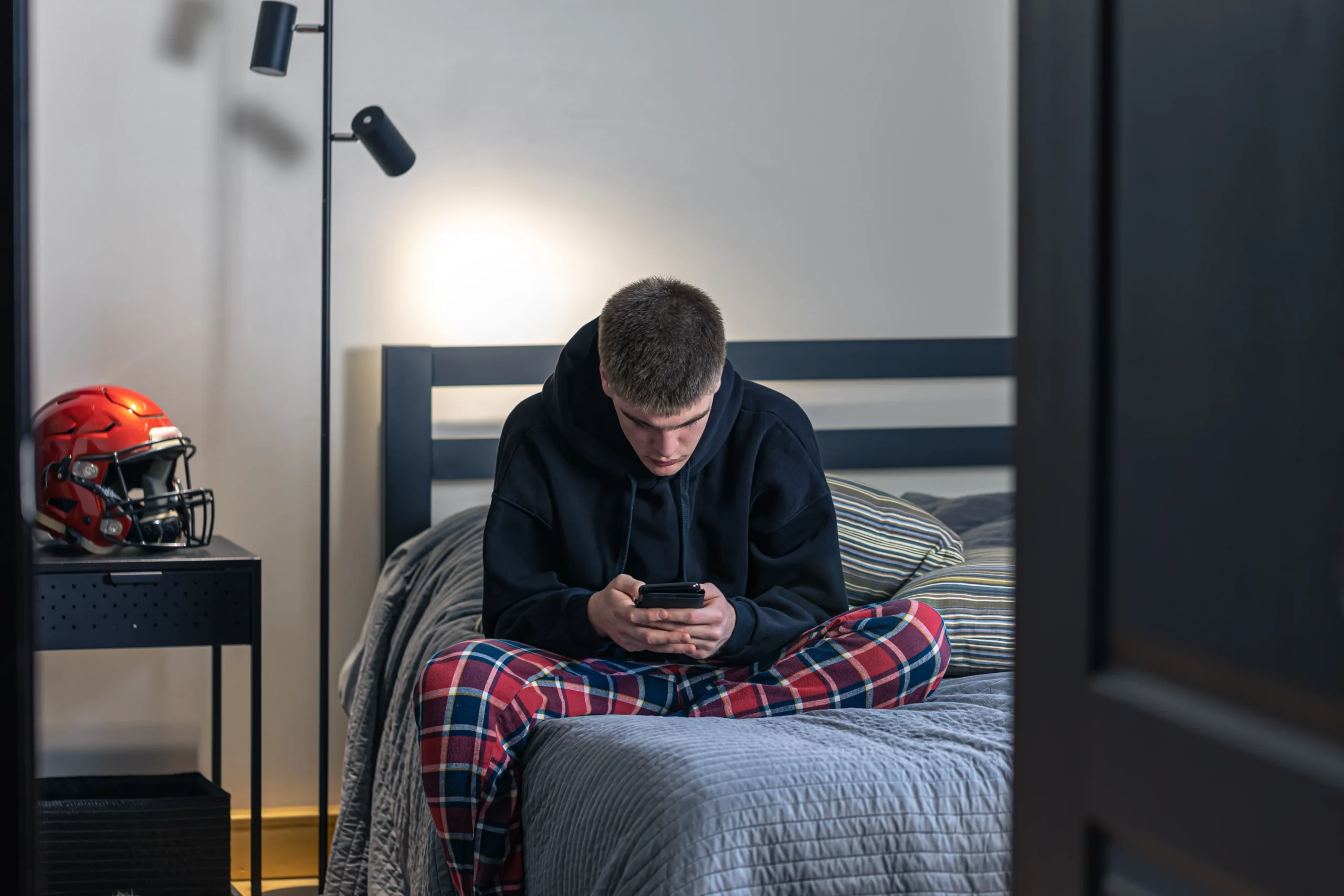
Research in the United States shows that frequent social media use is linked with higher rates of being bullied electronically, persistent sadness or hopelessness, and suicidal thoughts among high school students, highlighting the serious issue of cyberbullying and mental health harm. Victims of cyberbullying are more likely to report depression, anxiety, low self‑esteem, loneliness, and self‑harm than children who are not bullied online. For some youth, especially those who are LGBTQ or already struggling with mental health, cyberbullying can sharply increase suicide risk.
Cyberbullying and mental health harm are so closely connected that health agencies now treat online bullying as a serious public health concern. The CDC’s Youth Risk Behavior Survey confirms that frequent social media users are more likely to report bullying, sadness, hopelessness, and having made a suicide plan compared with less frequent users. For U.S. parents, this makes online safety not just a technology issue but a mental health priority.
Common Signs Your Child May Be Experiencing Cyberbullying
Children and teens rarely open a conversation with “I am being cyberbullied.” Instead, parents usually notice small changes that grow over time. Recognizing these warning signs early can protect both online safety and mental health.
You may notice sudden changes in device use. Some kids start using their phone or computer much more, checking messages anxiously. Others avoid devices they once enjoyed, or quickly close screens when someone walks into the room. They may refuse to show you their screen or become unusually protective of their online accounts.

Mood and behavior shifts are also common when cyberbullying and mental health harm are present. A child may seem sad, irritable, angry, or withdrawn without a clear reason, especially after spending time online. They might lose interest in activities they used to enjoy, avoid friends, or have more conflicts at home. You could see sleep problems, changes in appetite, headaches, stomachaches, or other stress‑related physical complaints.
School performance often changes. Some children begin to dread going to school, ask to stay home more often, or see their grades decline. This can happen when classmates are involved in cyberbullying or when online harassment spreads through a school community.
More serious signs include talking about feeling worthless, saying no one likes them, or expressing hopelessness about the future. Any mention of self‑harm, wanting to disappear, or suicide is an emergency and requires immediate professional support, regardless of where the bullying happens.
Step 1: Build Open, Ongoing Communication
The most important protection against cyberbullying and mental health harm is a trusting relationship in which your child feels safe telling you what is happening. UNICEF USA and other parenting resources emphasize that children cope better with cyberbullying when they have at least one supportive, nonjudgmental adult.
Start with regular, low‑pressure conversations about online life. Ask what apps and games they enjoy, who they talk to, and what they like or dislike about social media. Share your own experiences with technology so it feels like a two‑way conversation, not an interrogation. Make it clear that you are interested in understanding their world, not just controlling it.

Set a clear expectation that your child can come to you if something online makes them uncomfortable, scared, or upset, and that you will listen before reacting. Many kids stay silent because they fear losing their phone or being blamed. Reassure them that your first priority is their safety and mental health, not punishment
When they do share something troubling related to cyberbullying and mental health harm, focus on listening. Ask open questions like “How did that make you feel” and “What do you think would help right now.” Avoid minimizing the experience or telling them to “just ignore it.” For a child, online humiliation can feel as painful and real as anything that happens in person.
Step 2: Set Up Strong Privacy and Security
Practical online safety steps can reduce the risk of cyberbullying and limit the spread of harmful content if it occurs. UNICEF USA and similar guides recommend sitting down with your child to set privacy controls together rather than doing it for them without explanation.
Start with account protection. Teach your child to use strong, unique passwords for their accounts and to keep them private from friends and classmates. Encourage device lock screens with PINs or biometrics, so no one can grab their phone and post as them. As a parent or guardian, you should know these passwords so you can help if something goes wrong, especially for younger children.
Next, review privacy settings on each app your child uses to reduce the risk of cyberbullying and mental health harm. Together, adjust who can see their posts, comment on them, tag them, or send direct messages. Many platforms allow you to restrict interaction to friends or followers, limit who can mention them, and hide their profile from search results. Consider turning off public location sharing, which can expose where your child lives, studies, or spends time.
Teach your child how to use in‑app safety tools. Show them how to block and report users who bully or harass them, how to delete or hide comments, and how to remove tags from posts. Emphasize that blocking someone is not being “mean”; it is a healthy boundary. Reassure them that most platforms do not tell users when they are blocked or reported, which can make it easier to take this step.
Finally, agree on what kinds of personal information should never be shared online: full address, school name, phone number, financial details, and sensitive photos or videos. Explain that even trusted friends can lose devices or have accounts hacked, so the safest approach is to keep private content off the internet entirely.
Step 3: Create Healthy Rules for Screens and Social Media
Cyberbullying and mental health harm often worsen when children and teens spend long, unstructured hours online, especially late at night. Setting clear, consistent rules around screen time and social media use can make online spaces safer and reduce emotional strain.
Work with your child to define appropriate time limits. For example, you might agree on no phones at the dinner table, no social media during homework, and device‑free time at least an hour before bedtime. Many families also choose to keep phones out of bedrooms overnight to protect sleep and reduce late‑night exposure to hurtful content.

Discuss which apps are allowed at which ages. Elementary‑age children may only use certain educational or kid‑friendly platforms, while middle and high school students might have more freedom with closer oversight. For new apps, consider a trial period where you use them together, discuss what you see, and decide whether they feel safe and healthy.
Model the behavior you want to see. Children are more likely to follow screen rules if they see adults taking breaks from devices, putting phones away during family time, and handling online conflict calmly. When you show that online safety and mental health matter in your own life, especially around cyberbullying and mental health harm, your guidance feels more credible.
Step 4: What to Do If Your Child Is Being Cyberbullied
If you discover or suspect that your child is being cyberbullied, your response can greatly influence how the experience affects their mental health. UNICEF USA and other experts suggest a sequence of steps that focus on support, documentation, and action.
First, stay calm and listen. Thank your child for telling you and reassure them that you will work through this together. Avoid reacting with anger toward the bully or panic that might make your child regret opening up. Ask them to show you the messages or posts and describe what has been happening and for how long.
Second, tell your child not to respond to the bully. Messaging back often escalates the situation and gives bullies more material to use. Instead, encourage them to disengage and let you and other adults handle the response.
Third, save evidence. Take screenshots of abusive messages, posts, comments, usernames, and dates. Keep these in a secure folder. They may be needed if you contact the school, the platform, or law enforcement, especially when threats, blackmail, or explicit images are involved.
Fourth, block and report the bully on the platform. Most social media and gaming services allow you to block specific accounts and report harassment. Use these tools promptly. In clear cases of cyberbullying involving a minor, taking quick action helps limit cyberbullying and mental health harm, and many platforms will remove harmful content and sometimes suspend offending accounts.
Fifth, involve the school if classmates are part of the bullying or if the situation is affecting your child’s ability to attend or focus at school. In the U.S., many school districts have anti‑bullying policies that cover cyberbullying when it impacts the school environment. Request a meeting with school staff to explain what is happening and ask what support they can provide.
If the bullying includes serious threats, stalking, non‑consensual sharing of intimate images, or repeated harassment despite platform reports, consider contacting local law enforcement. Some forms of cyberbullying break state or federal laws, and police can advise you on the next steps.
Throughout this process, pay close attention to your child’s mental health. Even after content is removed or the bully is blocked, they may still feel humiliated, anxious, or fearful. Ongoing support is critical.
Step 5: Supporting Your Child’s Mental Health During and After Cyberbullying
Cyberbullying and mental health harm do not end when the messages stop. Many children carry emotional scars long after the bullying is over. As a U.S. parent, your role is to help your child heal and rebuild confidence.
Keep a regular conversation going. Ask your child how they are feeling, whether they have seen or heard any more about the bullying, and what situations still feel hard. Be patient if they do not want to talk at first; often it takes time for kids to open up fully.
Normalize their feelings. Let them know that sadness, anger, embarrassment, and anxiety are understandable reactions to being bullied, and that none of this is their fault. Avoid blaming them for how they responded online. Focus on what can be learned and what can be done differently in the future.
Help them rebuild positive offline experiences. Encourage involvement in activities that make them feel competent and connected, like sports, arts, clubs, volunteering, or hobbies. Strengthening their real‑world identity and support network can reduce the power of what happened online.
Monitor symptoms of anxiety, depression, and trauma. If your child has persistent low mood, loss of interest in activities, sleep or appetite changes, ongoing physical complaints, or thoughts of self‑harm, it is time to seek professional help. Cyberbullying and mental health reactions can be intense and may require therapy.
Consider connecting with a licensed mental health professional who has experience working with children and teens affected by bullying, especially when cyberbullying and mental health harm are ongoing. Evidence‑based therapies such as cognitive behavioral therapy can help kids challenge negative beliefs about themselves, learn coping skills, and regain a sense of safety. Family therapy can also help improve communication and support at home.
In the United States, if your child expresses suicidal thoughts, talks about wanting to die, or engages in self‑harm, treat it as an emergency. Contact your local crisis line, call or text 988 for the Suicide & Crisis Lifeline, or go to the nearest emergency department.
Step 6: Teaching Digital Empathy and Responsible Online Behavior
Protecting kids from cyberbullying and mental health harm also means helping them avoid becoming bullies themselves. UNICEF USA and other experts encourage parents to teach digital empathy and clear standards for online behavior.
Talk with your child about how their words and actions online affect others. Explain that messages can be misinterpreted and that jokes or memes at someone else’s expense can be deeply hurtful. Encourage them to pause before posting and ask themselves whether they would say the same thing face-to-face.

Set a family standard that bullying others online is never acceptable. Make it clear that forwarding hurtful content, liking or sharing humiliating posts, or joining group chats that target someone is a form of participation in cyberbullying. Discuss possible consequences at home and at school for that behavior.
Encourage your child to be an upstander rather than a bystander. If they see someone being bullied online, they can offer support in private messages, post something positive, or report the content to the platform or a trusted adult. Knowing how to respond when others are hurt can reduce overall harm and strengthen your child’s sense of integrity.
Frequently Asked Questions for U.S. Parents
How can I tell if my child is being cyberbullied?
Watch for changes in device use, like suddenly avoiding or obsessively checking phones, as well as mood shifts, sleep problems, school refusal, physical complaints, and withdrawal from friends. If these changes seem connected to online activity, ask gentle, open questions about what is happening on their apps and games.
Should I take away my child’s phone if they are being cyberbullied?
In most cases, experts do not recommend immediately removing all devices, because children may see this as punishment for speaking up and may hide problems in the future. Instead, work together on blocking, reporting, adjusting privacy settings, and setting healthier boundaries, while monitoring use more closely.
When should I contact the school?
Contact the school when classmates are involved, when the bullying affects your child’s attendance or school performance, or when the harassment spills into the classroom or campus environment. Share documentation and ask about the school’s anti‑bullying policies and how they can support your child.
When should I involve the police?
Contact law enforcement if cyberbullying includes threats of violence, stalking, explicit images of a minor, extortion, or repeated harassment despite reporting to platforms and school staff. Many U.S. jurisdictions have laws that cover these situations, and officers can advise on your options.
How do I balance my child’s privacy with their safety?
For younger children, it is appropriate to have access to passwords and to check accounts periodically, with their knowledge. As teens get older, aim for a balance: clear expectations about behavior and safety, agreement that you can check in if you are worried, and ongoing conversations about what they see and share online.
Can social media ever be positive for my child after cyberbullying?
Yes, but it requires careful use. Some teens find supportive communities and mental health resources online. After cyberbullying, it may help to reset privacy settings, unfollow triggering accounts, limit time, and gradually rebuild digital life with guidance from you and, if needed, a therapist.