


Screens are part of everyday life now: homework on laptops, group chats with friends, YouTube, gaming, and endless scrolling. The goal isn’t to ban technology, but to help your family use it in ways that support sleep, learning, and emotional health instead of harming them. With a few intentional habits, you can turn screens from a constant battle into something you feel more in control of as a parent.
Why Digital Wellness Matters for Kids’ Mental Health
Research links heavy or poorly timed screen use with problems like sleep loss, trouble focusing, irritability, and a higher risk of anxiety or low mood in children and teens, making kids’ mental health harder to protect day‑to‑day. The impact is often strongest when screens replace sleep, movement, in‑person time with family or friends, or quiet “downtime” that kids need to reset and support healthy kids’ mental health over time.

At the same time, not all screen time is bad. Purposeful, age‑appropriate use, like learning, creating, staying in touch with supportive friends, or exploring hobbies, can actually support connection and confidence. Digital wellness is about shifting from automatic, endless use to intentional use that fits your child’s age, personality, and mental health needs.
Start With Your Own Screen Habits
Kids watch what we do more than what we say. When parents are always half‑distracted by phones, it quietly tells kids that screens deserve constant attention. Small changes in your own habits can send a different message.
Try a few simple shifts:
- Put your phone away during meals, homework help, and bedtime routines.
- Pause scrolling when your child starts talking, and give them full eye contact.
- Avoid doom‑scrolling the news or social media in front of kids right before bed.
These moments show your child that screens are just one part of life, not the main event.
Create a Simple Family Screen Plan (Not a Long List of Rules)
Instead of a long list of “don’ts,” think in terms of a short, flexible “Family Screen Plan” that everyone helps create. When kids have a voice, they’re more likely to cooperate.

You can sit down one evening and agree on just a few basics:
- When screens are okay: for example, after homework, or in certain time windows.
- Where screens are used: shared spaces instead of bedrooms, especially at night.
- What content is okay: age‑appropriate, non‑violent, and aligned with your family values
Write it down in simple language, post it on the fridge, and remind each other kindly when someone forgets. Treat it as something you can tweak as your kids grow, not a one‑time contract.
Use Clear, Age‑Appropriate Limits
You don’t need to track every minute, but rough limits by age can help you stay grounded and protect kids’ mental health over time. Pediatric and mental health groups suggest keeping daily entertainment screen time low for younger kids and focusing more on the quality of screen use for older ones, which also supports healthier kids’ mental health as they grow.
Helpful guidelines include:
- For younger children: very limited, high‑quality content, and screens kept out of meals and bedrooms.
For school‑age kids and teens: aim for a couple of hours or less of recreational time, and watch for when screens start to push out sleep, exercise, or schoolwork.
Give warnings before time is up (“10 minutes left,” “5 minutes left”) so transitions feel predictable instead of abrupt.
Protect Sleep First
If you change only one thing, protect your child’s sleep. Late‑night screen use is strongly linked to shorter sleep, poorer sleep quality, and next‑day mood and focus problems. Blue light and stimulating content keep kids’ brains switched on when they should be winding down.
Try these sleep‑friendly habits:
- No phones, tablets, or gaming in bed.
- Turn off entertainment screens at least 30–60 minutes before bedtime.
- Charge devices overnight outside the bedroom. This works for adults, too.
- Replacing that last hour with reading, quiet play, or simple conversation makes a big difference over time.
Make Tech‑Free Times and Zones

Tech‑free spaces and moments help your child’s brain rest and strengthen real‑world connections, which directly supports kids’ mental health. They also make it easier to notice how everyone is actually doing emotionally, giving you more chances to check in on kids’ mental health during everyday family life.
Common tech‑free ideas include:
- No phones or tablets at the dinner table.
- No personal devices in bedrooms overnight.
- Tech‑free “family blocks” on weekend walks, games, cooking, or outings.
You don’t have to be perfect. Even one or two consistent tech‑free rituals can anchor the week and protect mental health.
Focus on Quality, Not Just Quantity
One hour of violent, stressful content is not the same as one hour of creative or educational use. What kids do online matters as much as how long they are on.
Ways to improve quality:
- Prioritize content that teaches skills, encourages creativity, or supports positive social interaction
- Co‑view or co‑play sometimes, and talk about what they’re seeing or doing.
- Help your child follow creators and communities that align with their interests and values, not just what’s trending.
This teaches kids to think of screens as tools they can choose and evaluate, not something that “happens” to them.
Talk Openly About Feelings and Screen Use
Digital wellness is not just about timers and apps; it’s also about emotional awareness. Kids need help noticing how different types of screen use make them feel.
You can ask simple questions like:
- “How do you feel after you scroll that app for a while, more relaxed, or more tense?”
- “Are there games or chats that leave you in a bad mood?”
- “What online spaces help you feel creative or connected?”
These conversations teach kids to listen to their own bodies and minds and to recognize when it’s time to take a break.
Use Tools and Settings, but Don’t Rely Only on Them
Parental controls, time limits, and privacy settings are helpful, especially for younger children. They can block obvious risks and prevent “one more episode” from turning into three hours.
Useful steps include:
- Setting age‑appropriate content filters and app restrictions on phones, tablets, and game consoles
- Turning on privacy settings so only friends can contact your child on social platforms.
- Using built‑in screen‑time dashboards to spot patterns and adjust as needed.
Still, tools are not a substitute for guidance. Kids eventually outgrow filters; they need the judgment skills to stay safe when no one is watching.
Watch for Warning Signs and When to Get Help
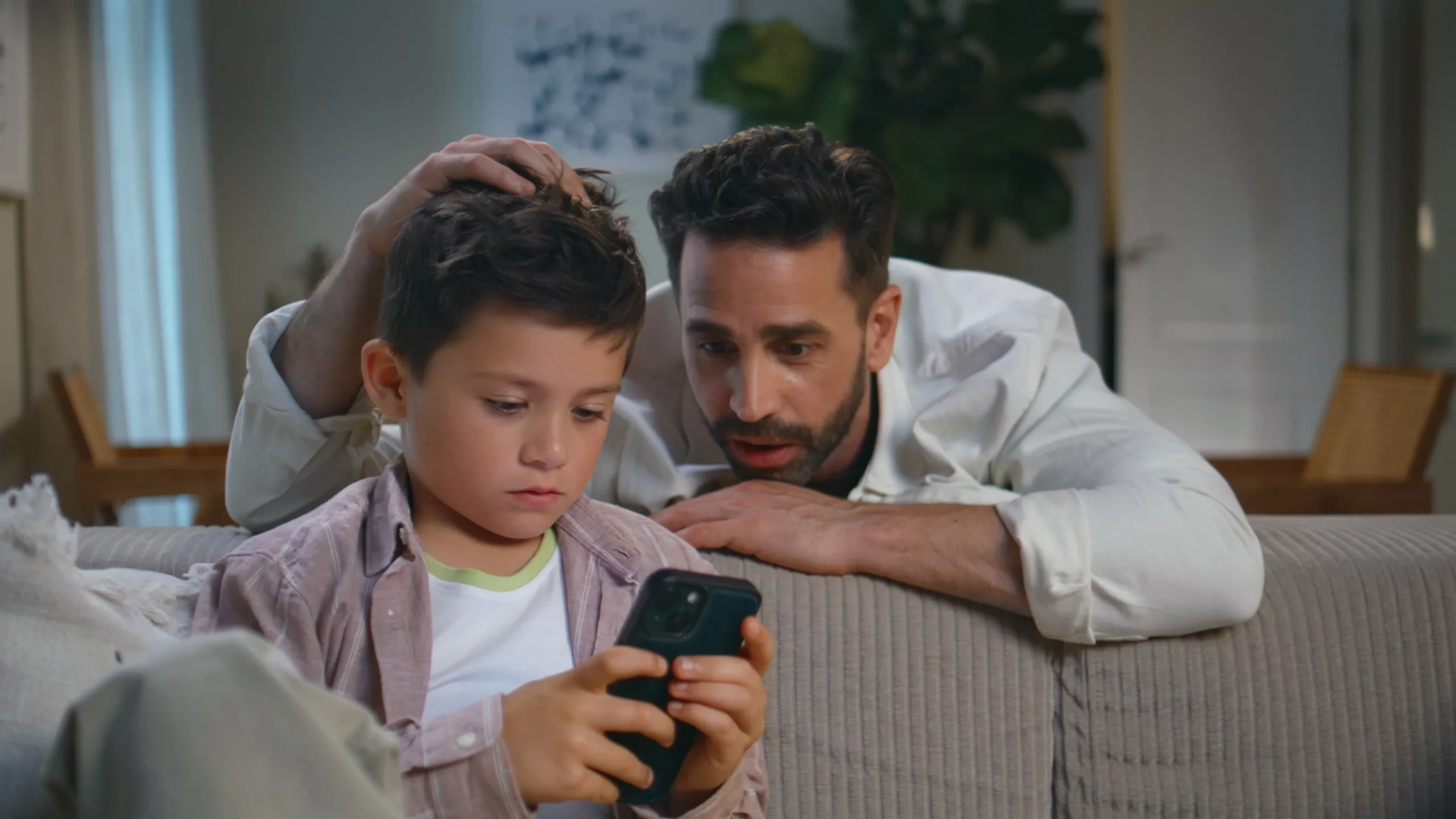
Sometimes screen habits are a symptom of deeper struggles, not the main problem, and can both reflect and worsen challenges in kids’ mental health. It’s worth paying attention to changes in sleep, appetite, mood, school performance, or social life, because these shifts can be early warning signs that your child’s mental health needs extra support beyond just adjusting screen time.
Consider talking with your child’s pediatrician or a mental health professional if you notice:
- Big drops in sleep or constant fatigue.
- Persistent irritability, sadness, or withdrawal from family and friends.
- Falling grades or trouble focusing.
- Extreme distress when devices are removed, or secretive online behavior.
Professionals can help you figure out whether screens are driving the problem, helping your child cope with something else, or both.
Start Small and Keep Adjusting
Digital wellness is not about being a “perfect” tech‑free family. It’s about making small, realistic changes that your household can actually stick to and updating them as your kids grow. Even one change—earlier device bedtime, tech‑free dinners, or shared family screen rules can start to improve mood, sleep, and connection at home.
Most of all, try to stay curious rather than fearful. When you involve your kids, listen to their perspective, and model the same habits you ask of them, you’re already building the foundation for healthier screen use and stronger mental health in a digital world.
Frequently Asked Questions:
1. How much screen time is OK for kids each day?
Enough that it doesn’t cut into sleep, school, exercise, or family time, often around 1–2 hours of daily entertainment for school‑age kids.
2. Can too much screen time affect my child’s mental health?
Yes, heavy or late‑night use is linked to more sleep problems, mood issues, and trouble focusing in kids and teens.
3. What is the best first rule to set around screens at home?
Start with “no devices in bedrooms overnight” to protect sleep and reduce late‑night scrolling or gaming.
4. Are educational apps and videos better than regular screen time?
Generally, yes, as long as the content is age‑appropriate and doesn’t replace real‑world play, movement, and relationships.
5. How can I quickly improve our family’s digital wellness?
Create a simple family screen plan: tech‑free meals, device bedtime, and clear daily limits everyone follows, including adults.