


Introduction

In recent weeks, health headlines across Asia have mentioned a rare but serious disease known as the Nipah virus. For many people, this name feels unfamiliar, yet public health authorities treat it with great caution. The reason is simple. Nipah virus infections in Asia have historically shown a high fatality rate and the ability to spread from animals to humans and, in some cases, between people. Even though current cases remain limited and well monitored, understanding this virus helps you replace fear with awareness and practical knowledge.
If you are a health-conscious adult who values prevention, natural wellness, and evidence-based information, this guide is written for you. Here you will learn what the Nipah virus is, how it spreads, the Nipah virus symptoms to watch for, why experts monitor it closely, and what realistic preventive steps you can follow in daily life. You will also discover how global health agencies respond to such outbreaks and how strengthening your overall immunity supports your wellbeing during uncertain times.
This article draws on information from the World Health Organization, the Centers for Disease Control and Prevention, and peer-reviewed medical research. The aim is to present accurate, balanced, and practical information in simple language so that you can stay informed without unnecessary alarm.
What is the Nipah virus?
The Nipah virus is zoonotic, meaning it spreads from animals to humans. It was first identified in Malaysia in 1998 when pig farmers began developing severe illness after exposure to infected pigs. Scientists later discovered that fruit bats of the Pteropus species are the natural hosts of this virus. These bats carry the virus without appearing sick, but they can transmit it through their saliva, urine, and droppings.

Since its discovery, outbreaks have occurred mainly in South and Southeast Asia, particularly in Bangladesh and India. Each outbreak has been small compared to global pandemics, but the seriousness of Nipah virus symptoms and the high fatality rate have made Nipah a priority pathogen for global research and surveillance.
What makes Nipah unique is the way it crosses the boundary between wildlife and humans. This connection between animal habitats and human living spaces is a key reason health experts emphasize environmental awareness and safe food practices in regions where fruit bats live.
How Nipah virus infections in Asia spread
Nipah virus infections in Asia typically begin when humans come into contact with contaminated food or infected animals. In rural regions, fruit bats often feed on fruits and date palm sap. If humans consume fruit or raw sap that has been touched by bats, the virus can enter the body. In Malaysia’s first outbreak, pigs became infected after eating bat-contaminated fruit, and humans caught the virus from close contact with these animals.
Human-to-human transmission is less common but possible. It usually occurs through close contact with the bodily fluids of infected individuals, especially in caregiving settings. Awareness of Nipah virus symptoms is crucial in these situations, which is why hospitals and clinics quickly isolate suspected cases and use protective equipment when handling patients.
Unlike respiratory viruses such as influenza or COVID-19, Nipah does not spread easily through the air. It requires close and prolonged contact. This fact helps authorities contain outbreaks effectively through isolation and contact tracing.
Symptoms of Nipah virus
Nipah virus symptoms can appear between four and fourteen days after exposure. In some rare cases, the incubation period may be longer. The early signs often resemble common viral infections, which can make early diagnosis challenging.
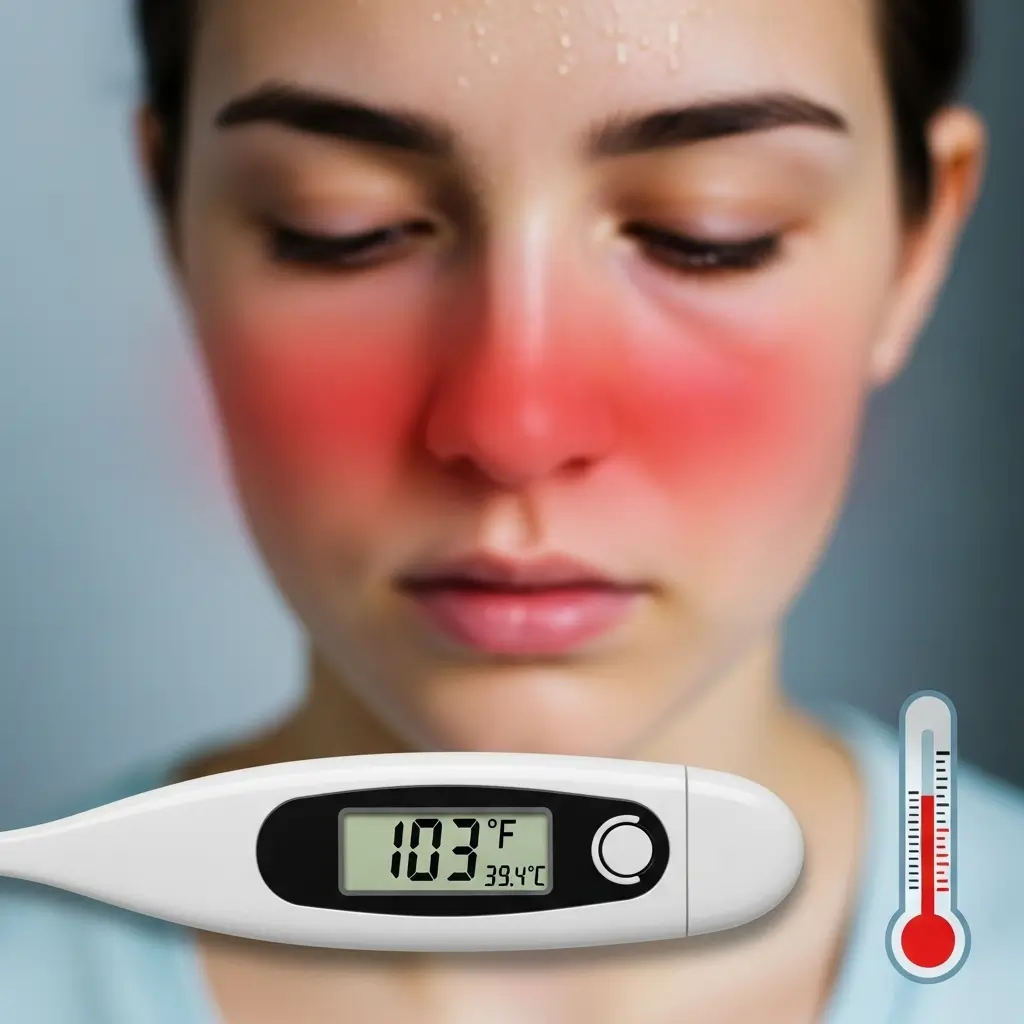
People usually begin with fever, headache, muscle pain, and fatigue. Some individuals experience sore throat, cough, nausea, and difficulty breathing. As the virus progresses, it can affect the brain, leading to encephalitis, which is inflammation of brain tissue. This stage may cause confusion, drowsiness, seizures, and disorientation. In severe cases, patients may fall into a coma within days.
Because the disease can worsen quickly, early medical attention is critical if someone in a risk area develops these symptoms after potential exposure.
Fatality rate of the Nipah virus
One of the reasons the Nipah virus receives serious attention is its high fatality rate. Past outbreaks have reported death rates ranging from 40 percent to 75 percent among confirmed cases. The variation depends on how quickly patients receive supportive medical care and how well the outbreak is managed.
It is important to understand that these figures come from small, localized outbreaks and do not represent widespread transmission. Many patients who receive timely treatment and supportive care do recover. However, the potential severity of Nipah virus symptoms is why health agencies respond swiftly even when only a few cases appear.
Why Nipah virus infections in Asia matter today
The recent confirmation of Nipah virus infections in Asia, particularly in India, has prompted several neighboring countries to increase health screenings at airports and border points. While global health authorities have assessed the current risk as low, surveillance continues because of the virus’s history.
In a world connected by travel and trade, even localized outbreaks deserve attention. Zoonotic diseases remind us how closely human health is linked to the environment and wildlife. Increased urbanization and changes in natural habitats can bring humans into closer contact with animals that carry rare viruses.
Understanding Nipah virus symptoms is part of a broader awareness about emerging infectious diseases and how prevention, hygiene, and early response protect communities.
How authorities respond to Nipah outbreaks
When Nipah cases appear, health authorities move quickly. The first step is identifying and isolating infected individuals. Medical teams then trace all recent contacts and monitor them for symptoms. Laboratories conduct specialized tests such as RT-PCR to confirm infection.
Public health teams also educate local communities about avoiding contaminated food and minimizing contact with bats or sick animals. Awareness of Nipah virus symptoms helps travelers and locals recognize early warning signs, while travel advisories and screening procedures at airports ensure that potential cases are detected promptly.
This organized response is one reason Nipah outbreaks remain limited in size compared to other infectious diseases.
Practical prevention steps for daily life
For most people living outside high-risk regions, the chance of exposure to the Nipah virus is extremely low. However, simple preventive habits contribute to overall safety. Washing fruits thoroughly before eating, avoiding raw palm sap in endemic areas, and maintaining good hand hygiene after outdoor activities are practical measures.
Travelers to rural parts of South Asia should be mindful of food sources and avoid direct contact with bats or sick animals. Seeking medical care promptly for unusual symptoms after travel is also a wise precaution.
These habits are not only useful against Nipah but also protect against many other infections as well.
Supporting your immune system naturally
Although there is no vaccine or specific antiviral treatment for the Nipah virus yet, maintaining a strong immune system supports your body’s ability to respond to infections in general. Adequate sleep, balanced nutrition, hydration, and stress management form the foundation of immune resilience.
Nutrients such as vitamin C, zinc, and antioxidants found in fruits and vegetables support immune health. Regular exercise improves circulation and helps immune cells function effectively. Mindful practices such as meditation reduce stress hormones that can weaken immune responses.
These steps do not prevent Nipah specifically but strengthen your overall health, which is always beneficial.
Comparison of natural wellness supports
| Remedy | Benefits for Immunity | Suggested Intake | Natural Sources |
|---|---|---|---|
| Vitamin C | Supports immune cell function | 500–1000 mg daily | Citrus fruits, guava, bell peppers |
| Zinc | Aids antiviral immune response | 8–11 mg daily | Nuts, seeds, legumes |
| Adequate Sleep | Restores immune balance | 7–9 hours nightly | Consistent sleep routine |
| Hydration | Supports metabolic and immune health | 8–10 glasses of water daily | Clean drinking water, herbal teas |
Always consult a healthcare professional before starting supplements, especially if you have medical conditions.
Frequently Asked Questions
How do Nipah virus infections spread?
They spread through contact with infected bats, animals, contaminated food, or close contact with infected individuals.
Is there a vaccine for the Nipah virus?
Currently, there is no approved vaccine. Treatment focuses on supportive medical care.
What is the incubation period of the Nipah virus?
Symptoms usually appear between four and fourteen days after exposure.
Is the Nipah virus airborne like the flu?
No, it does not spread easily through the air and requires close contact.
How can I protect myself while traveling?
Avoid raw foods exposed to bats, practice hygiene, and seek medical care for unusual symptoms.
Conclusion
Nipah virus infections in Asia highlight the importance of awareness, hygiene, and early response to zoonotic diseases. While current cases remain limited and the overall risk is low, understanding Nipah virus symptoms empowers you to make informed decisions. By following simple preventive habits, maintaining strong immunity, and staying updated with trusted health sources, you can protect yourself and your family.
Health knowledge is one of the strongest tools you have. Stay informed, stay prepared, and continue prioritizing your wellbeing with reliable, science-based guidance.