

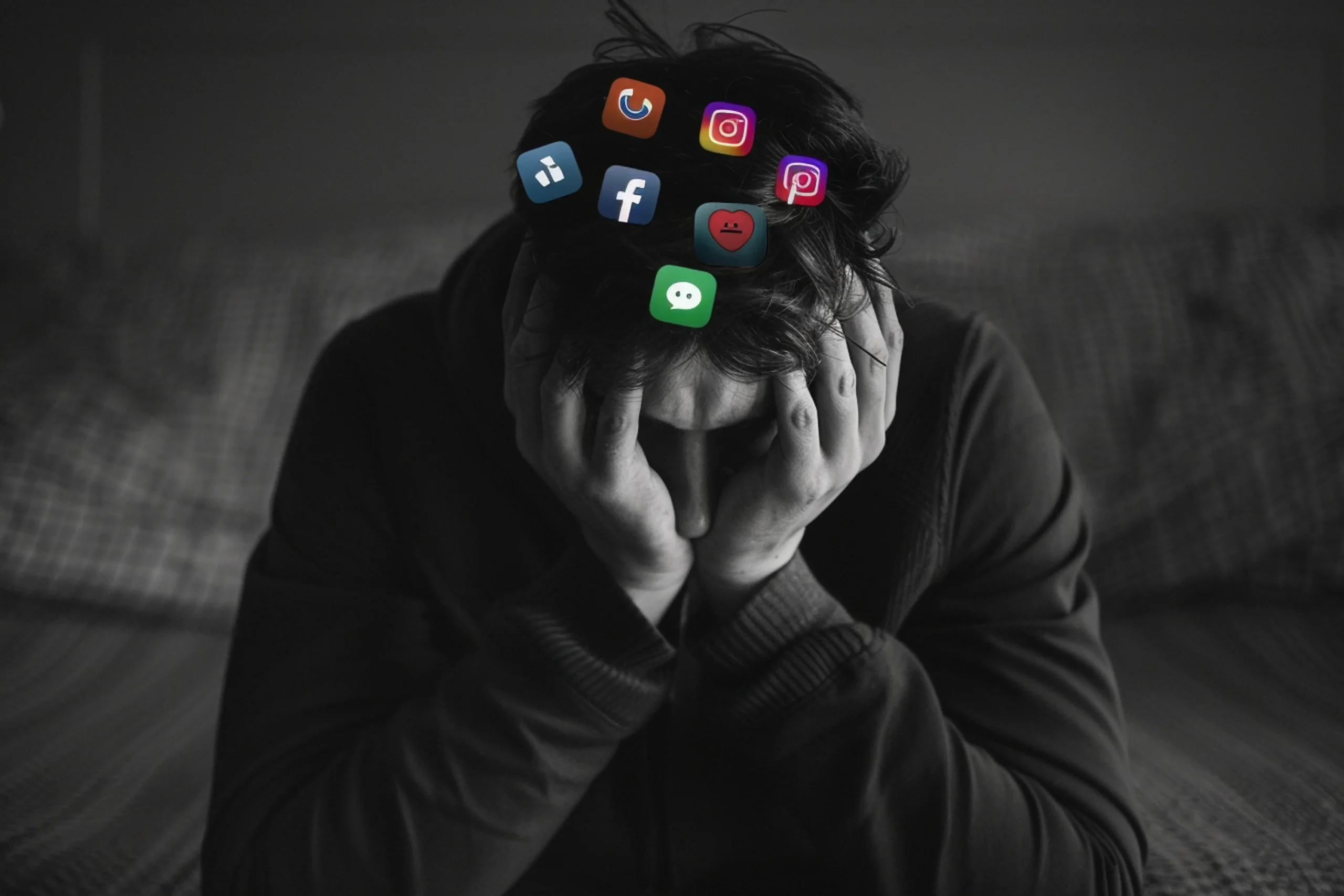
Social media and mental health are now tightly connected in everyday American life, especially for Gen Z, millennials, and even parents trying to “keep up.” Social platforms promise connection, entertainment, and community, but they also quietly shape how we think, feel, and see ourselves. For many people, the impact of social media on mental health includes more anxiety, depression, low self-esteem, sleep problems, and a constant sense of “never enough.
This article dives deep into the dark side of social media and mental health, focusing on what the research shows, the most common mental health risks, and practical ways to protect your mind without necessarily deleting every app. The goal is not to demonize technology, but to help you become a more conscious user who understands how social media and mental health influence each other and what you can do about it.
How Social Media Affects Mental Health: What the Research Says
Over the last decade, dozens of studies have examined how social media affects mental health in the United States and worldwide. The pattern is increasingly clear: heavy or problematic social media use is linked to higher rates of anxiety, depression, loneliness, poor sleep, and low self-esteem, especially among teens and young adults.
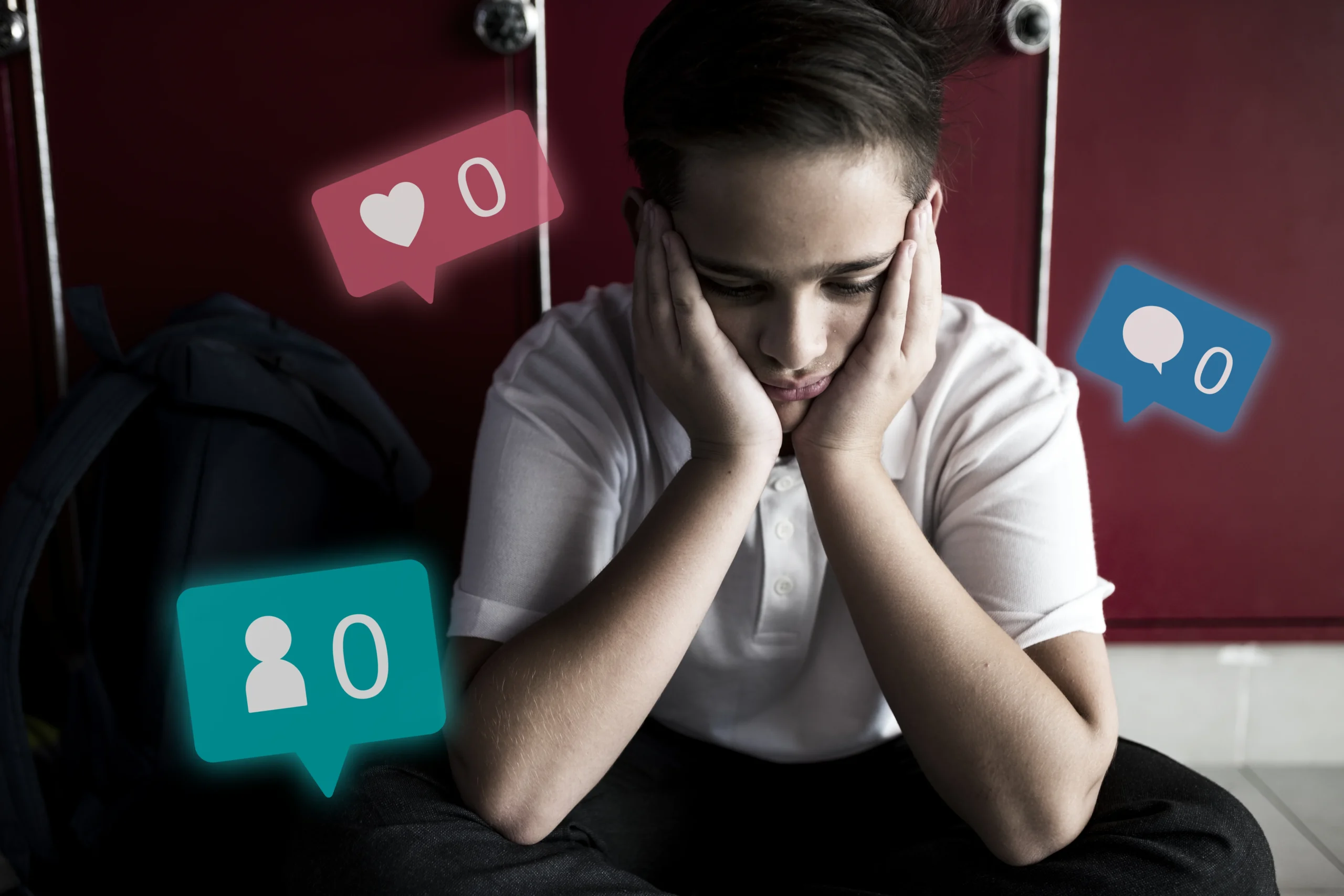
Recent statistics show that 58% of American adults who use social platforms feel that social media harms their mental health in some way. Among teens and Gen Z, the numbers are even more alarming. Around 41% of Gen Z users say social media makes them feel anxious, sad, or depressed, and nearly 40% of all users report negative effects of social media on mental health overall. Studies also link heavy social media use to a higher risk of major depressive episodes over time, suggesting the relationship is not just about having a “bad day” online.
Social media and mental health are also connected through time spent online. Teens who spend five or more hours a day on screens are significantly more likely to show suicide risk factors, and people who use seven or more platforms report much higher levels of anxiety. While correlation does not prove causation, the consistency of these findings has led many mental health professionals to treat social media as a genuine risk factor that needs to be assessed in clinical practice.
At the same time, researchers note that social media and mental health interact in complex ways. People who are already lonely or depressed may use platforms more often to escape or find support, which can either help in the short term or make symptoms worse over time if the content they consume increases comparison, conflict, or stress. That is why it is essential to look not only at how much time you spend online, but also how social media makes you feel and what it replaces in your offline life.
The Hidden Mental Health Costs of Constant Comparison
One of the most powerful ways social media affects mental health is through social comparison. Platforms like Instagram, TikTok, and Snapchat encourage people to share highly curated versions of their lives, perfect vacations, filtered selfies, career wins, and idealized relationships. When you scroll through this highlight reel every day, it becomes easy to compare your real, messy life to someone else’s filtered feed.
Studies have shown that this kind of comparison is linked to low self-esteem, body dissatisfaction, and depressive symptoms, especially among young people. Seeing endless images of “perfect” bodies, homes, and lifestyles can quietly shift your internal standards. What used to feel normal can start to feel like failure. Over time, this pressure can erode self-worth and feed anxiety about never measuring up, directly worsening the relationship between social media and mental health.
The problem is not just envy. Many users report feeling worse about their own lives after spending time on social media, even when they cannot point to a specific post as the trigger. The brain simply absorbs the message that everyone else is happier, more successful, or more attractive. This distortion is particularly harmful for teens and young adults, who are still forming their identity and are highly sensitive to peer approval. For them, the impact of social media on mental health can shape how they see themselves for years to come.
It is also important to remember that most people do not post their full reality struggles, conflicts, boredom, and quiet moments rarely make it onto the feed. When you compare your unfiltered life to someone else’s curated story, you are comparing reality to an edited script. Understanding this bias is a crucial first step in protecting your mental health from the dark side of social media.
Cyberbullying, Trolling, and Online Harassment
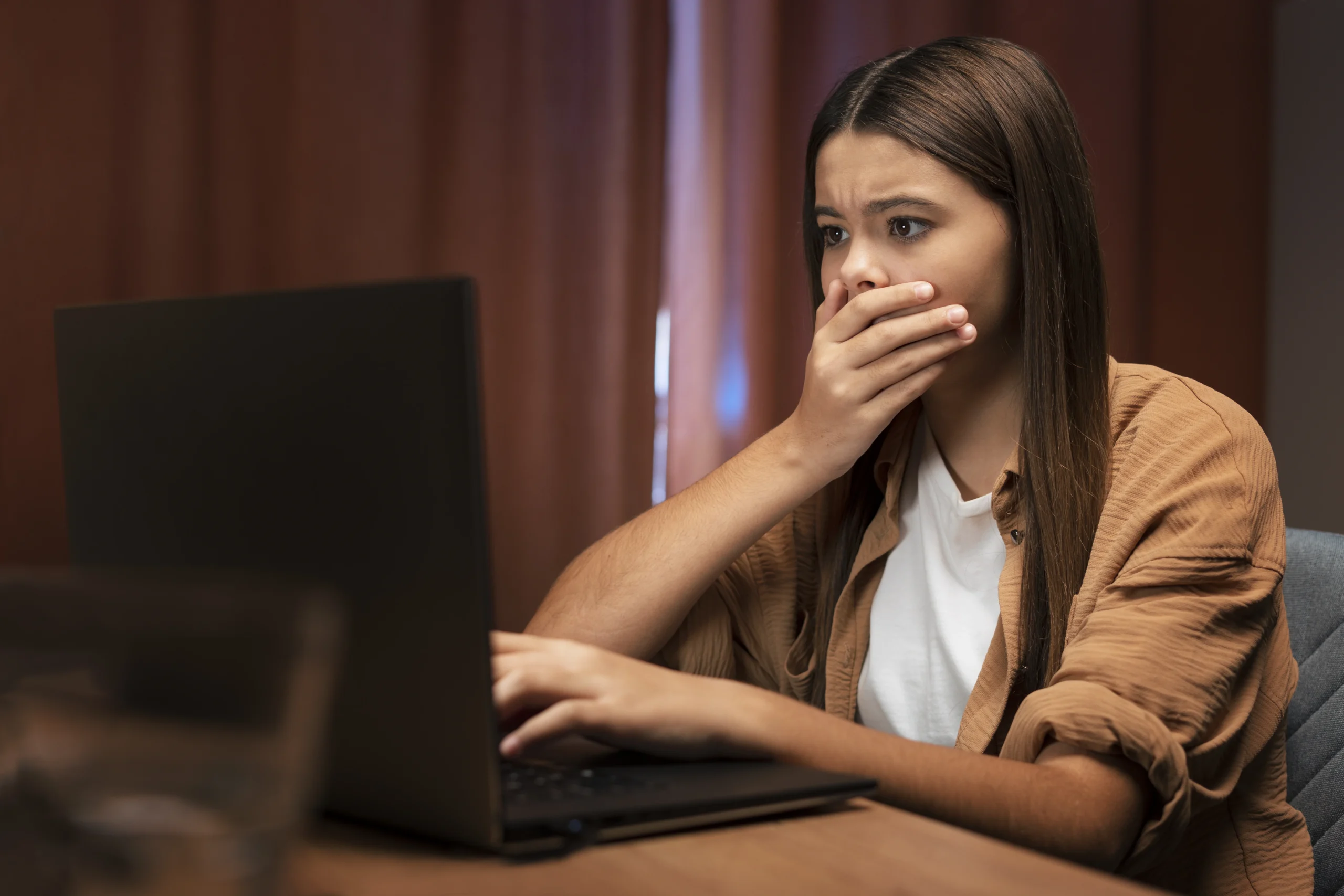
Cyberbullying is one of the clearest and most damaging links between social media and mental health. Unlike traditional bullying, which used to be limited to school or specific places, online harassment can follow a person 24/7 through their phone. Hurtful comments, rumors, threats, and public shaming can spread quickly, and once something is posted, it can be very hard to erase.
Research reviewing dozens of studies shows that cyberbullying is consistently associated with higher levels of depression, anxiety, and suicidal thoughts, especially among children and adolescents. In some U.S. surveys, girls are twice as likely as boys to report being victims of online bullying, and those who are targeted often describe feeling helpless, isolated, and deeply ashamed.
Even for adults, trolling and harassment can take a toll. Public figures, content creators, and everyday users may face waves of criticism or abuse when a post goes viral. The constant fear of being attacked or “canceled” can increase social anxiety and self-censorship, further complicating the relationship between social media and mental health.
The anonymity and distance of online communication make it easier for some people to say things they would never say face to face. This environment can normalize cruelty and persistent negativity, especially in comment sections and private messages. Over time, repeated exposure to hostility, even as a bystander, can blunt empathy, increase stress, and make social media feel like a hostile place instead of a supportive one.
Addiction, FOMO, and the Endless Scroll
Another dark side of social media and mental health is how platforms are designed to keep you hooked. Features like infinite scroll, autoplay, notifications, and algorithms that surface “just one more” video are built to capture and hold attention. Every like, comment, and new follower delivers a small hit of dopamine, which can encourage compulsive checking.
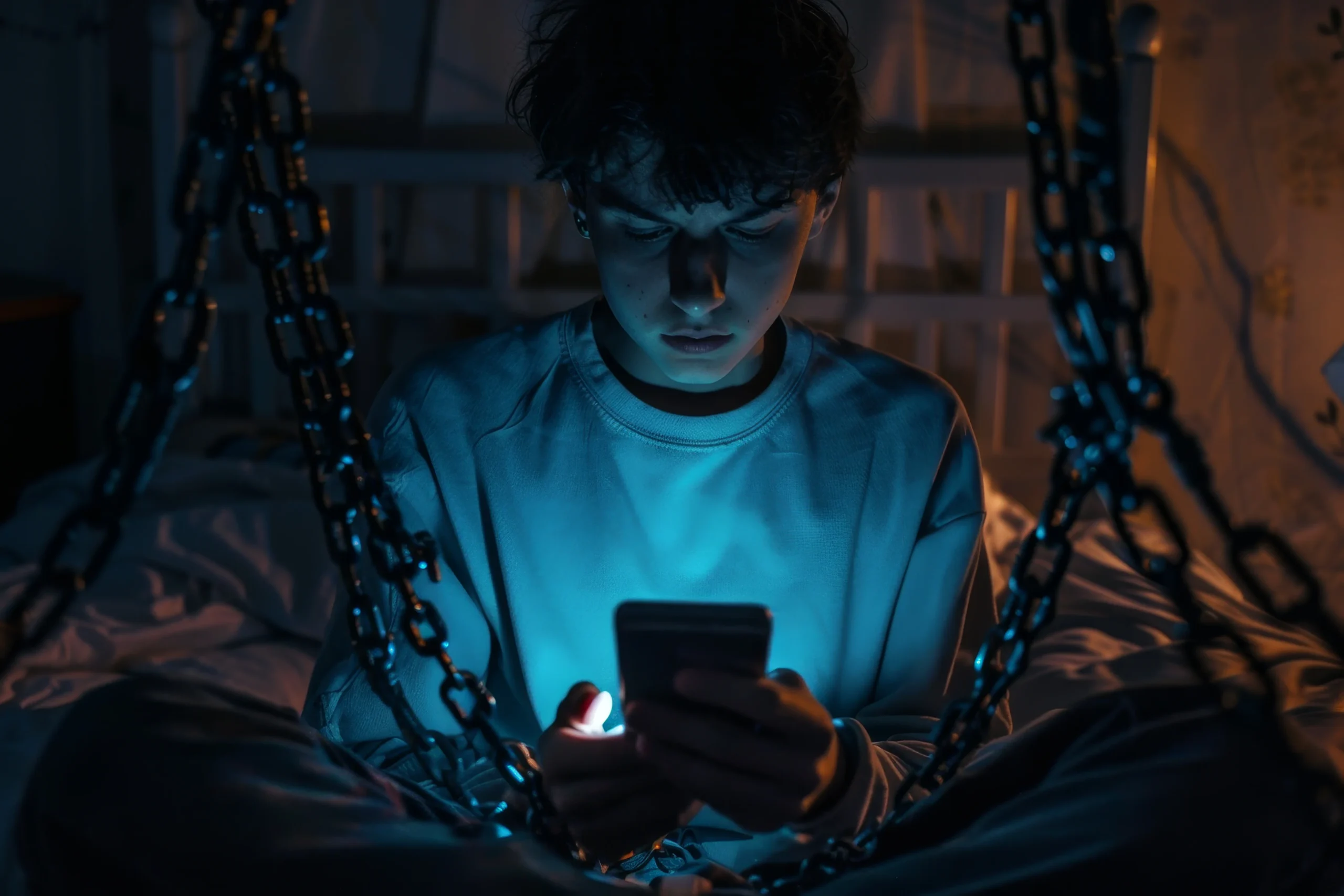
Many users report that they reach for their phone without thinking, open the same apps repeatedly, and lose track of time while scrolling. This pattern resembles behavioral addiction, even if it is not formally classified as a substance use disorder. People describe feeling restless, irritable, or low when they try to cut back, another sign that social media and mental health might conflict.
Fear of missing out, or FOMO, intensifies this cycle. When your friends, coworkers, or favorite creators are constantly posting, it can feel risky to log off, as if you will miss something important or be left behind socially. FOMO pushes you back into the apps, even when you know they are harming your mood or sleep.
Over time, this combination of addictive design and FOMO can displace healthier activities. Time that might have been spent sleeping, exercising, studying, or connecting face-to-face gets swallowed by endless scrolling. This displacement effect is one of the main reasons heavy social media use is linked to worse mental health outcomes: it is not just what you see online, but what you no longer do offline.
Sleep, Stress, and Your Brain on Social Media
Good sleep is a foundation of mental health, but social media habits often undermine it. Many people scroll late into the night, keeping their brains stimulated with emotionally charged content—news, arguments, or drama right before bed. The blue light from screens can disrupt melatonin, and the emotional intensity of what you see can make it harder to relax.
Statistics show that heavy social media use is associated with a significantly higher risk of sleep disturbances. Teens who spend many hours per day on their devices are more likely to report difficulty falling asleep, staying asleep, and feeling rested in the morning. For adults, doomscrolling late at night can keep stress hormones elevated and make it harder to wind down.
Poor sleep then feeds back into mental health, making anxiety and depression worse. When you are sleep deprived, your emotional regulation weakens, making you more sensitive to negative content, criticism, and comparison. In this way, social media and mental health form a vicious cycle: stress drives more scrolling, which disrupts sleep, which increases stress and emotional reactivity the next day.
Chronic stress from constant notifications, online conflict, and information overload can also overload the nervous system. Many users describe feeling “always on,” constantly reachable, and constantly consuming. This continuous low-level stress can increase irritability, burnout, and feelings of being overwhelmed, especially when combined with work and family demands.
Vulnerable Groups: Teens, Young Adults, and Parents
While the dark side of social media and mental health can affect anyone, some groups are particularly vulnerable. Teens and young adults are often at the center of this discussion. They are among the heaviest users of social platforms, and their brains and identities are still developing. Research shows that a majority of Gen Z and many millennials feel that social media affects their well-being, often negatively.
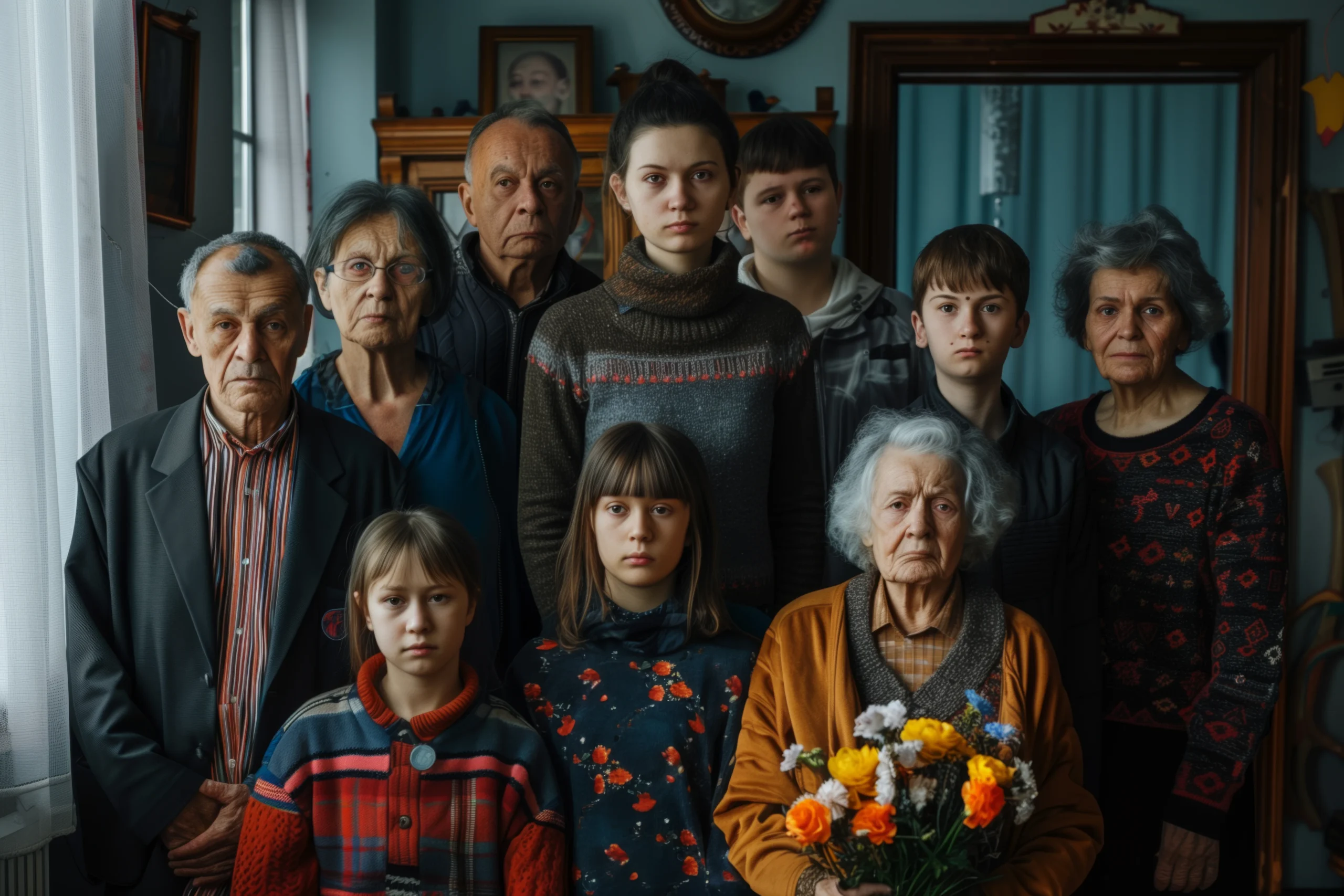
Adolescents are more sensitive to peer feedback and social status. Features like likes, views, and comments can become a public scoreboard of popularity. When posts do not perform as expected, teens may feel rejected or invisible. Many report deleting posts that do not get enough engagement, which can increase anxiety and make self-worth heavily dependent on metrics.
Body image is another major concern. Exposure to idealized bodies and filters is strongly linked to body dissatisfaction and disordered eating, especially among girls and young women. In this context, social media and mental health are closely tied to how users see their own physical appearance and value.
Parents are affected too. Many feel pressure to present a perfect family online, compare their parenting to others, or worry constantly about what their children encounter on social media. Surveys suggest that parents are often more worried than teens about the impact of social media on mental health, yet they may also feel unsure about how to set limits without causing conflict.
At the same time, social media can be more dangerous for people who already struggle with mental health conditions such as depression, anxiety disorders, eating disorders, or trauma. For them, exposure to triggering content, toxic communities, or misinformation can aggravate symptoms. That is why clinicians increasingly ask about social media use when assessing mental health.
Can Social Media Ever Be Good for Mental Health?
It is important to acknowledge that the relationship between social media and mental health is not entirely negative. For many users, especially those who feel isolated in their offline environment, platforms can provide support, education, and a sense of belonging. Online communities can help people connect around shared experiences, including living with mental illness, chronic pain, or marginalized identities.
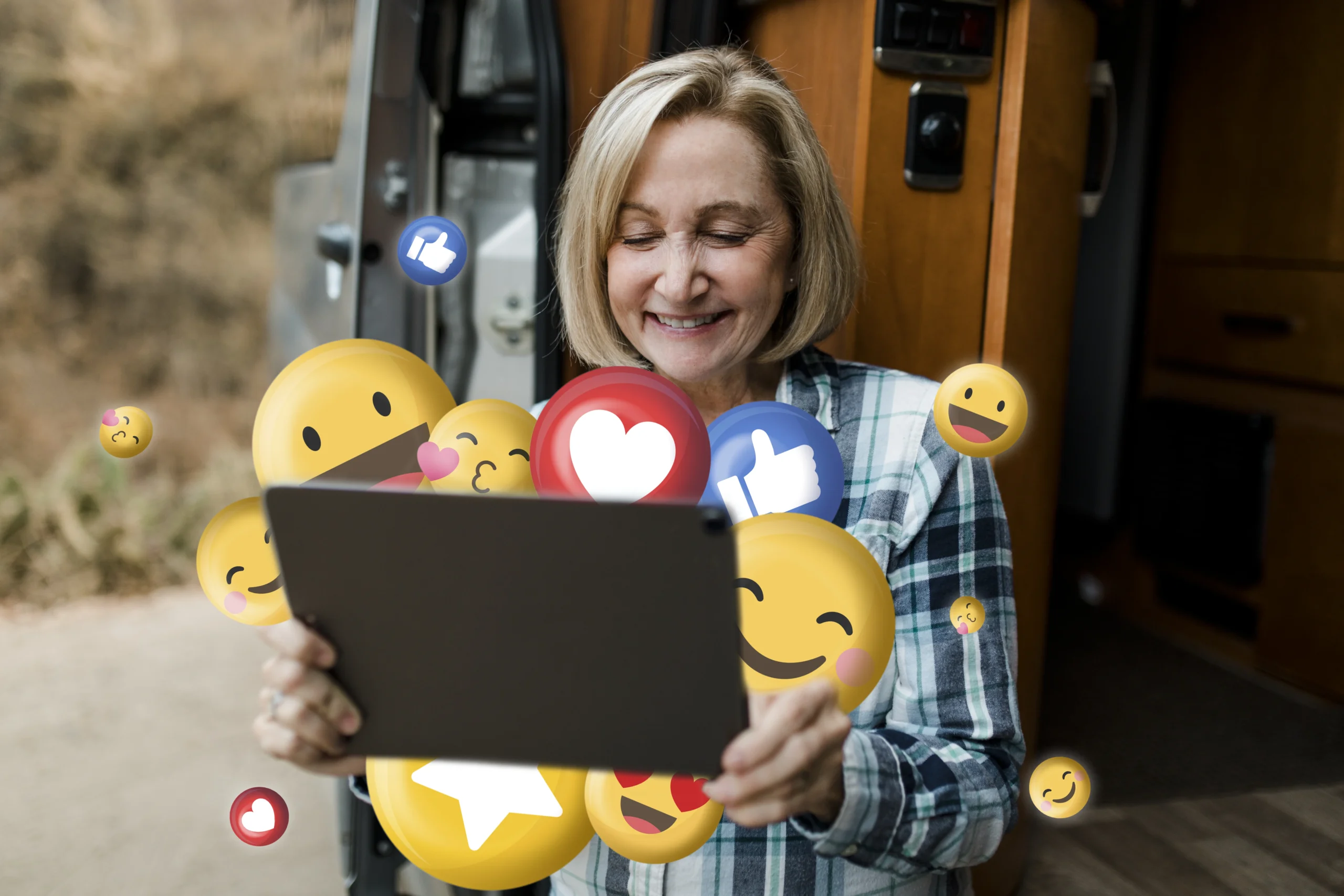
Some people find encouraging mental health content, coping tips, or inspiring recovery stories that make them feel less alone. Others use social platforms to follow therapists, psychiatrists, or mental health advocates who share evidence-based information in an accessible way. For individuals in rural areas or stigmatizing cultures, this can be a lifeline.
The problem is that helpful content exists alongside harmful content, and algorithms do not always distinguish between the two. A user might see one post about healthy coping, then immediately be shown extreme dieting, glamorized self-harm, or misinformation. This mixed feed can make it hard to control how social media affects mental health overall.
The key is intentional use. When you actively curate your feed, follow accounts that support your goals, and unfollow those that trigger distress, social media and mental health can coexist more peacefully. But this requires awareness, boundaries, and regular check-ins with yourself about how you actually feel after scrolling.
How to Protect Your Mental Health While Using Social Media
You do not have to disappear from the internet to protect your mental health, but you do need a strategy. Start by noticing how social media and mental health interact in your own life. After you spend time on a platform, ask yourself whether you feel better, worse, or the same. If you consistently feel anxious, drained, angry, or inadequate, that is valuable data.
Setting time boundaries is one of the simplest and most effective steps. Consider turning off non-essential notifications, using app timers, or choosing specific windows during the day for checking social media instead of constantly scrolling. Keeping devices out of the bedroom at night can help protect your sleep and reduce late-night doomscrolling.
Next, curate your feed. Follow accounts that make you feel informed, inspired, and grounded, not pressured or ashamed. Unfollow or mute accounts that consistently trigger comparison, anger, or self-criticism. Remember that you can support friends offline without having to consume every piece of content they post.
Be especially cautious about content related to dieting, extreme fitness, or self-harm. If you notice that certain topics worsen your mood or behaviors, take that seriously. In those cases, the connection between social media and mental health can be direct and harmful, and reducing exposure is a form of self-care.
Balancing online life with offline activities is crucial. Make deliberate time for face-to-face conversations, nature, hobbies, exercise, and quiet time without screens. These experiences help regulate your nervous system and provide the grounding that social media often lacks. Over time, strengthening your offline life naturally reduces the emotional grip of likes and comments.
If you already live with a mental health condition, talk with your therapist or doctor about how social media affects your symptoms. They can help you spot triggers, set personalized limits, and incorporate digital habits into your overall treatment plan. In some cases, you might even combine professional help with digital mental health tools designed to support healthier online behavior.
When Social Media Use Becomes Dangerous
There are times when the relationship between social media and mental health crosses a line from “unhealthy” to dangerous. If you notice that your social media use is linked to persistent thoughts of self-harm, suicidal ideation, extreme body dissatisfaction, or urges to engage in risky behavior, it is critical to seek immediate support from a qualified professional or crisis service.
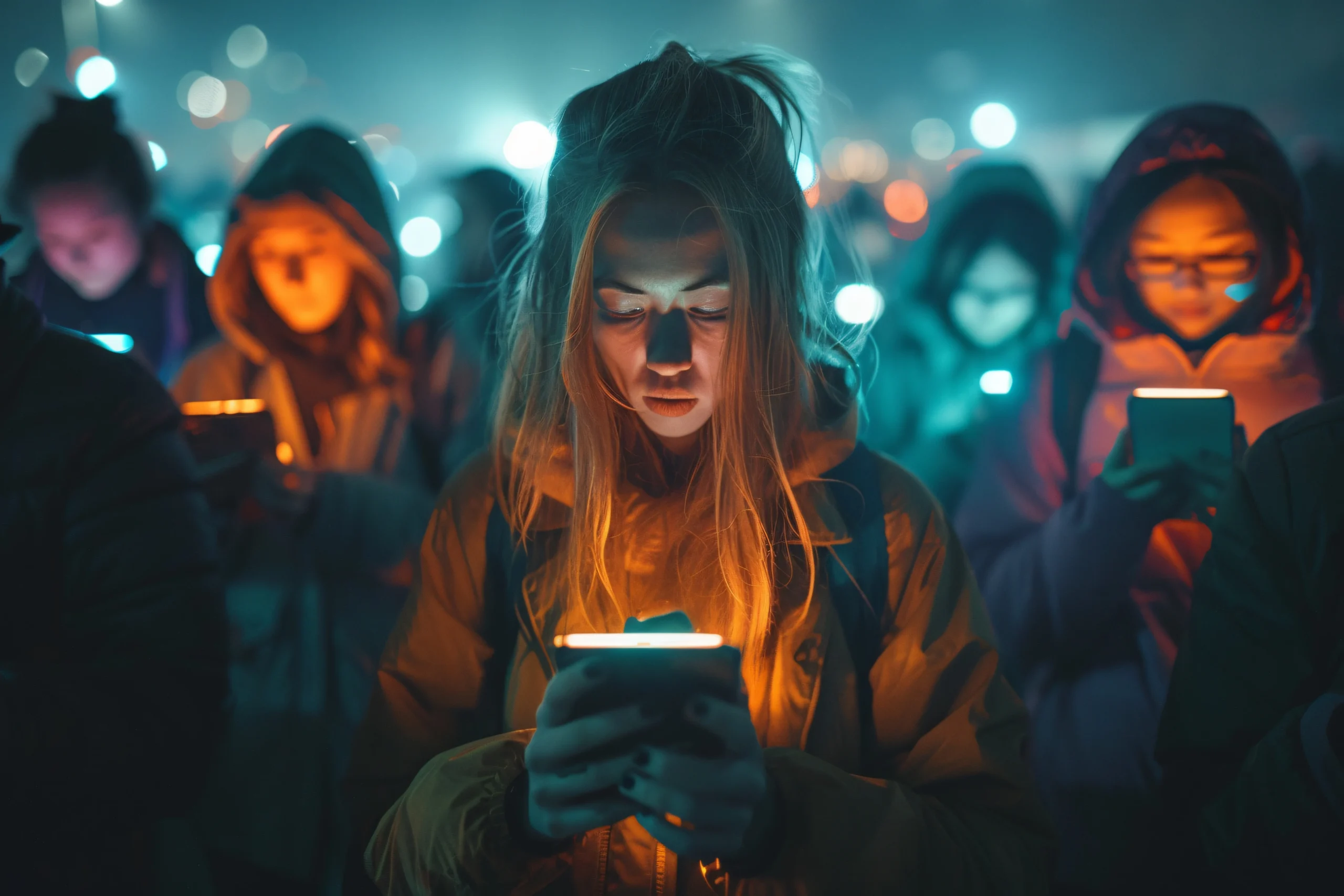
Signs that social media use may be seriously harming your mental health include constant preoccupation with online life, strong distress when you are unable to check apps, major changes in sleep and appetite linked to online activity, withdrawing from offline relationships to spend more time online, and worsening of depression or anxiety that you attribute partly to what happens on social media.
In these situations, deleting apps can be a first step, but it is rarely enough on its own. Because social media and mental health symptoms are often deeply intertwined, structured support such as therapy, counseling, or medication may be needed to help you rebuild a healthier routine and address the underlying issues that made social media so intense or addictive in the first place.
Remember that no number of followers or likes is worth sacrificing your wellbeing. Platforms are designed to keep you engaged, not to keep you safe. You are allowed to step back, log off, and choose yourself over your feed.
Final Thoughts: Reclaiming Your Mind from the Feed
In the United States and around the world, social media and mental health are now inseparable realities of modern life. These platforms can connect, educate, and entertain, but they can also quietly drain self-worth, disturb sleep, increase anxiety, and amplify loneliness. The impact of social media on mental health is not uniform or simple, but the risks are real, especially with heavy, unplanned use.
The good news is that you are not powerless. By understanding how social media affects mental health, setting boundaries around time and content, curating your feed, and strengthening your offline life, you can dramatically reduce its negative impact. For some people, that might mean a full digital detox. For others, it might mean using platforms more intentionally and combining them with healthier habits and, when needed, professional support.
Ultimately, your worth is not measured in views, likes, or followers. When you consciously choose how, when, and why you use social media, you begin to shift the balance between social media and mental health back in your favor and reclaim your attention, your energy, and your peace.